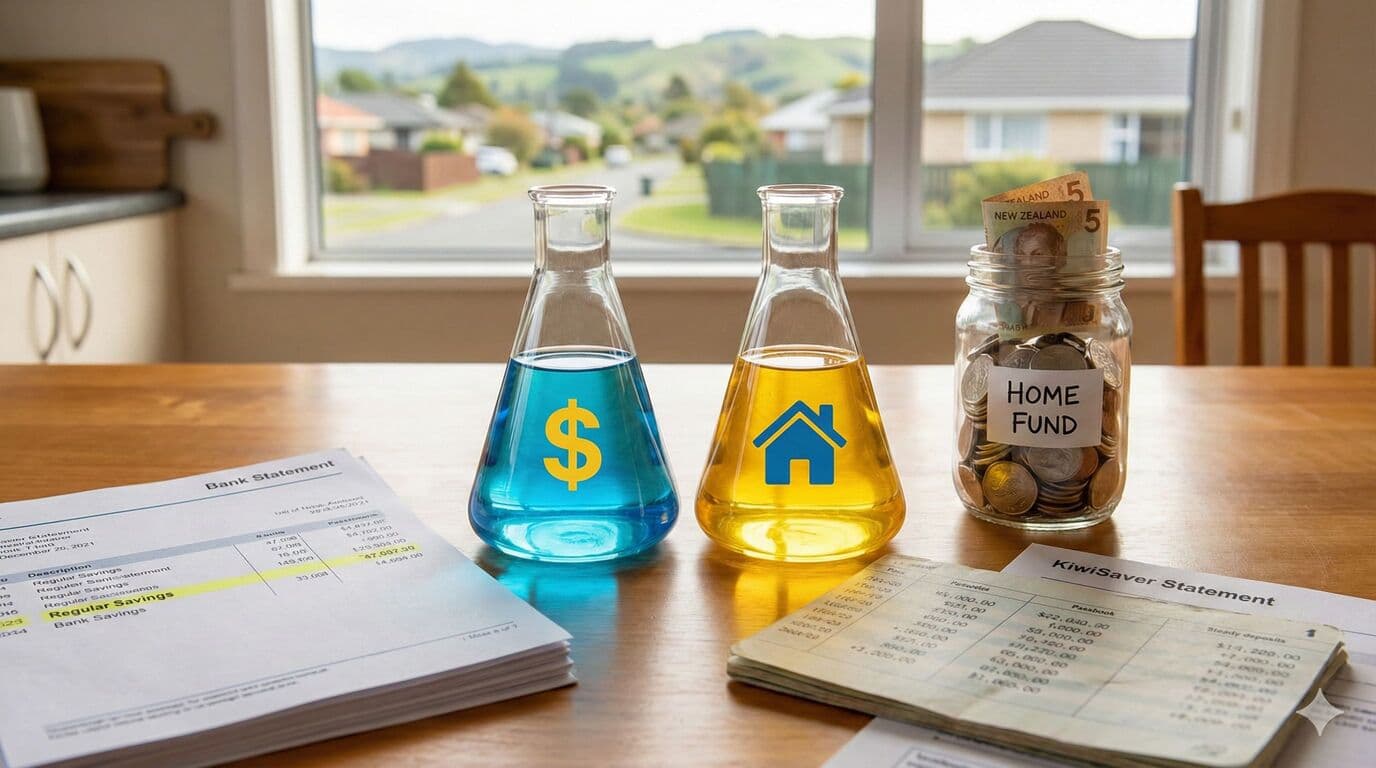
When applying for a mortgage in New Zealand, not all deposit money is treated equally. While your total deposit amount is essential, lenders often want to know how you saved it. That's where the term "genuine savings" comes in. So, what exactly are genuine savings-and do you need them?
What Are Genuine Savings?
Genuine savings are funds that you have personally saved over time-ideally over a three-month period or more. The idea is that they show financial discipline and prove to the bank that you can manage your money, which is important when you're about to take on significant debt.
In most cases, genuine savings need to be at least 5% of the property's value. For example, if you're buying a $600,000 home, most banks want to see that you've saved $30,000 yourself.
What Do Banks Count as Genuine Savings?
1. Regular Savings in a Bank Account
Steady deposits into a savings account over three months or more represent the classic example of genuine savings. This demonstrates consistency, budgeting, and planning.
2. Term Deposits Held Over 3 Months
If you've held money in a term deposit account for over three months (even if deposited all at once), banks typically accept this as genuine savings. The duration matters most.
3. KiwiSaver Contributions
KiwiSaver is an excellent deposit-building mechanism, and banks often count your contributions over time as genuine savings-especially with at least three years of regular contributions. However, employer contributions or government contributions may not qualify as the "genuine" portion.
What Doesn't Count as Genuine Savings?
1. Gifts from Family
A financial gift from family is helpful and can absolutely contribute to your deposit. But if you're applying for a low-deposit mortgage, the bank may require proof of genuine savings in addition to the gift. You'll likely need a signed statutory declaration stating that the money is a non-repayable gift.
2. Inheritance
If you've received a lump sum from an inheritance, banks might not classify it as genuine savings unless you've held the money in your account for three months or more.
3. Sale of Personal Assets
Selling a car or other personal assets to boost your deposit can help overall deposit size, but these funds may not qualify as "genuine" unless held for a period of time and supported by evidence of sale.
4. Short-Term Savings or Windfalls
Money in your account for less than three months-such as a bonus, commission, or sale proceeds-often doesn't count unless combined with other genuine savings.
Do I Need Genuine Savings to Get a Mortgage?
It depends on your loan-to-value ratio (LVR). If you have:
- •20% or more deposit: Most banks won't care how you came up with the money. Gifted funds, KiwiSaver, or sale proceeds are all acceptable.
- •Less than 20% deposit: Banks are more cautious. Most will want to see that at least 5% of your deposit is genuine savings.
What If I Don't Have 5% Genuine Savings?
You may still have options. Some lenders are more flexible, especially if you're buying a new build or have a strong income and low existing debt.
Tips to Build Genuine Savings Fast
- •Start now: Even if you're not ready to buy, building a savings history early will give you more flexibility later.
- •Keep your accounts tidy: Use a dedicated savings account with regular contributions.
- •Avoid withdrawing: Try not to dip into your savings account once you've started building your history.
- •Keep records: If any part of your deposit comes from non-traditional sources, keep documentation to explain it clearly.
Be Mortgage Ready With Genuine Savings
Genuine savings are your ticket to greater mortgage options-especially if you're entering the market with a lower deposit. While not every dollar of your deposit needs to come from your savings, showing the bank that you've been financially responsible gives them more confidence in lending to you.
Need Help With Your Mortgage?
Our expert advisers are here to guide you through every step of your mortgage journey. Get in touch for a free, no-obligation consultation.
Talk to an Adviser