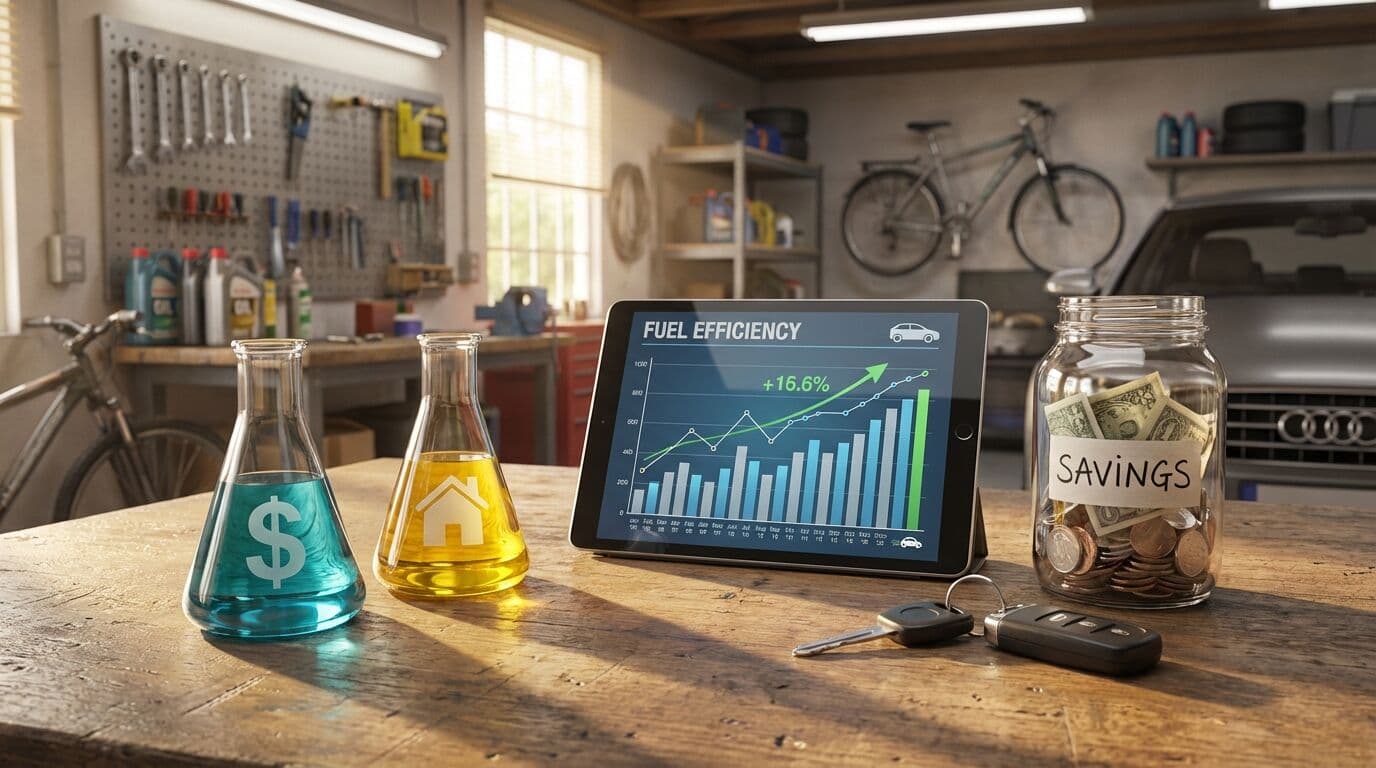
Fuel is one of the larger ongoing vehicle costs, and unlike many expenses, it responds directly to how you drive and maintain your car. Simple changes can reduce fuel consumption by 10 to 20 percent without changing your lifestyle.
Finding Cheaper Fuel
Petrol prices vary significantly between stations, sometimes by 20 cents per litre or more within the same city. Apps like Gaspy, used by over one million New Zealanders, show real time fuel prices reported by other users.
On a 50 litre fill, a 15 cent per litre difference saves $7.50. If you fill up weekly, that is nearly $400 per year from simply choosing where to buy.
Supermarket fuel discount vouchers and loyalty programmes provide additional savings. AA Smartfuel, Flybuys, and supermarket dockets can reduce per litre costs by 6 to 20 cents.
Tyre Pressure Makes a Real Difference
Underinflated tyres are one of the most common causes of excess fuel consumption. According to EECA, underinflated tyres can reduce fuel efficiency by 2 to 4 percent.
Check tyre pressure monthly when tyres are cold. The correct pressure is listed on a sticker inside the driver's door frame.
Some manufacturers offer low rolling resistance tyres that can reduce energy use by up to 7 percent compared to standard tyres.
Driving Style Has the Biggest Impact
How you drive affects fuel consumption more than almost any other factor. According to NZTA and Gen Less, aggressive driving can increase fuel use by up to 40 percent.
Accelerate gently. Smooth acceleration uses less fuel than flooring the throttle.
Anticipate traffic. Coasting to a red light rather than braking at the last moment saves fuel.
Maintain steady speed. On open roads, cruise control helps maintain consistency.
Reduce speed slightly. Reducing from 100km/h to 90km/h can lower fuel use by around 15 percent.
Use appropriate gears. In manual vehicles, driving in the highest appropriate gear reduces engine revs and fuel consumption.
Air Conditioning and Accessories
Air conditioning increases fuel consumption by approximately 10 percent. At low speeds, using the fan and opening windows is more economical.
Roof racks, roof boxes, and cycle carriers create aerodynamic drag even when empty. Removing them when not in use improves fuel economy.
Vehicle Maintenance
A well maintained vehicle can use 10 to 20 percent less fuel than a poorly maintained one. Key maintenance items include air filters, correct engine oil, and wheel alignment.
Reduce Unnecessary Weight
Every 50kg of extra weight increases fuel consumption by approximately 2 percent. Clear out items in the boot that are not needed.
Quantifying the Savings
For a vehicle averaging 10 litres per 100km and travelling 15,000km per year, baseline fuel cost at $2.80 per litre is approximately $4,200 annually.
A 15 percent improvement from better driving habits saves approximately $630 per year. Finding fuel 10 cents per litre cheaper saves another $150. Combined savings can reach $700 to $1,000 or more.
Every Trip Is an Opportunity
Unlike some budget improvements that require upfront spending, fuel efficiency savings renew with every trip. Gentle acceleration, steady speed, and checking fuel prices become second nature, delivering ongoing returns.
Need Help With Your Mortgage?
Our expert advisers are here to guide you through every step of your mortgage journey. Get in touch for a free, no-obligation consultation.
Talk to an Adviser