Back to Blog

Quit Smoking? You Could Be Paying Too Much for Life Insurance

14 August 20256 min readBy Jarrod Kirkland
Quit Smoking? You Could Be Paying Too Much for Life Insurance

Key Takeaways

  • 1Former smokers can request reclassification after 12 months smoke-free, potentially saving 50-128% on premiums.
  • 2Vapers are still classified as smokers by New Zealand insurers.
  • 3The difference between smoker and non-smoker rates could amount to $10,000+ over a 20-year policy.
  • 4Updating your status is straightforward-contact your adviser or insurer to request reclassification.
  • 5You have already done the hard work of quitting-make sure your wallet benefits too.

Former smokers who have been quit for 12 months may be eligible to reclassify their life insurance status, potentially reducing premiums significantly.

If you've successfully kicked the habit, congratulations-quitting smoking is one of the best things you can do for your health. But here's something you might not know: it could also save you a significant amount of money on your life insurance.

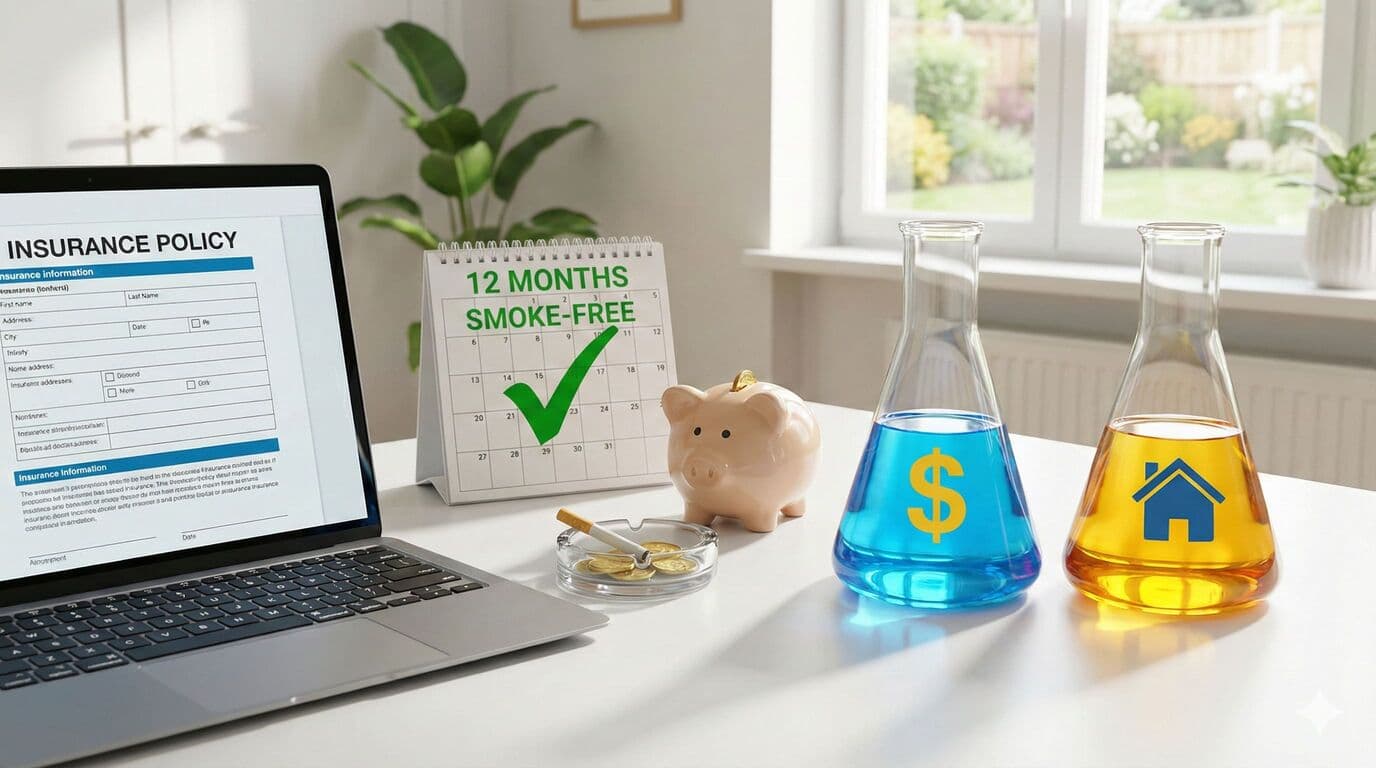
Former smokers who have been smoke-free for 12 months may be eligible to reclassify their life insurance status from smoker to non-smoker. The savings can be substantial-often 50% or more off your premiums.

The Cost Difference Is Significant

When it comes to life insurance, the penalty for smokers is steep. You may end up paying double, or even more, than a smoke-free person would pay for the same level of cover.

Here's what the numbers actually look like for $500,000 of life cover for a 35-year-old male with stepped premiums:

  • Cigna: $15.33 (non-smoker) vs $31.35 (smoker) - 104% more
  • Partners Life: $17.75 (non-smoker) vs $32.99 (smoker) - 86% more
  • Fidelity Life: $14.46 (non-smoker) vs $33.00 (smoker) - 128% more
  • Asteron Life: $445/year (non-smoker) vs $885/year (smoker) - 99% more

Over a 20-year policy, the difference between smoker and non-smoker rates could amount to thousands of dollars-money that could be going toward your mortgage, your KiwiSaver, or your children's education.

What About Vaping?

If you've switched from cigarettes to vaping, you might assume you'd qualify for non-smoker rates. Unfortunately, that's not the case. New Zealand insurers currently treat vapers the same as smokers when it comes to premium calculations.

While the health risks of vaping are believed to be lower than smoking, insurers haven't yet adjusted their pricing to reflect this. If you're vaping, you'll still be classified as a smoker for insurance purposes.

How Reclassification Works

If you originally purchased your life insurance as a smoker, you were charged higher rates and likely have a "loading" on your policy. After 12 months smoke-free, you can request to have this loading removed.

The process is straightforward:

1Confirm your smoke-free date - most insurers require you to be completely nicotine-free for 12 months
2Contact your insurer or adviser - let them know you want to update your smoker status
3Complete any required declarations - you may need to sign a statement confirming you haven't smoked
4Wait for confirmation - your insurer will review and update your premiums

Some insurers may require additional information or a health check, but in most cases the process is simple and doesn't require a new application.

The Long-Term Savings

Let's say you're paying an extra $20 per fortnight as a smoker. That's $520 per year. Over 20 years, that's $10,400 in extra premiums-not including any investment returns you could have earned on that money.

If you've quit smoking but haven't updated your insurance, you're essentially paying a penalty for a risk that no longer applies to you.

What To Do Next

Contact a life insurance adviser to review your current cover and request reclassification. Mortgage Lab offers in-house advisers who can help you navigate the process and ensure you're getting the best rates for your situation.

Don't miss out on the financial benefits after accomplishing the difficult task of quitting smoking. You've already done the hard part-now let your wallet benefit too.

Need Help With Your Insurance?

Our expert advisers will help you find the best adviser for you. Get in touch to be connected with a professional insurance adviser.

Talk to an Adviser


Frequently Asked Questions

How long do I need to quit smoking to get non-smoker insurance rates?

After 12 months completely smoke-free (nicotine-free), policyholders can typically request reclassification as non-smokers and receive lower premium rates.

How much can I save by switching to non-smoker rates?

Non-smoker premiums are typically 50-128% lower than smoker rates. For example, a 35-year-old male with $500,000 cover could save $440 per year or more by switching to non-smoker rates.

How do I update my smoker status with my insurer?

Contact a life insurance adviser or your insurer directly. You will need to confirm your smoke-free date and complete a declaration. The process is usually straightforward and does not require a new application.

Does vaping count as smoking for life insurance?

Yes, New Zealand insurers currently treat vapers the same as smokers for premium calculations. You will be classified as a smoker if you use any nicotine products including vapes.

How much could I save over 20 years?

If you are paying an extra $20 per fortnight as a smoker, that is $520 per year. Over 20 years, you would pay $10,400 in unnecessary extra premiums if you do not update your status after quitting.

Disclaimer

The information on this website is for general guidance only and does not constitute financial or investment advice. Always do your own research and seek personalised advice from a qualified financial adviser or mortgage adviser before making financial decisions. All investments carry risk and past performance is not indicative of future results.

Get the Mortgage Lab App

Access all our articles, calculators and tools on the go. Free on the App Store.

Download on the
App Store

Find an Adviser Near You

We can process your mortgage from anywhere in New Zealand using video meetings. If you don't live in one of these areas, simply choose any region to find an adviser.