Insurance
Insurance guidance for NZ households: mortgage protection basics, what to consider, and how cover can protect your home and income.
Articles in this topic
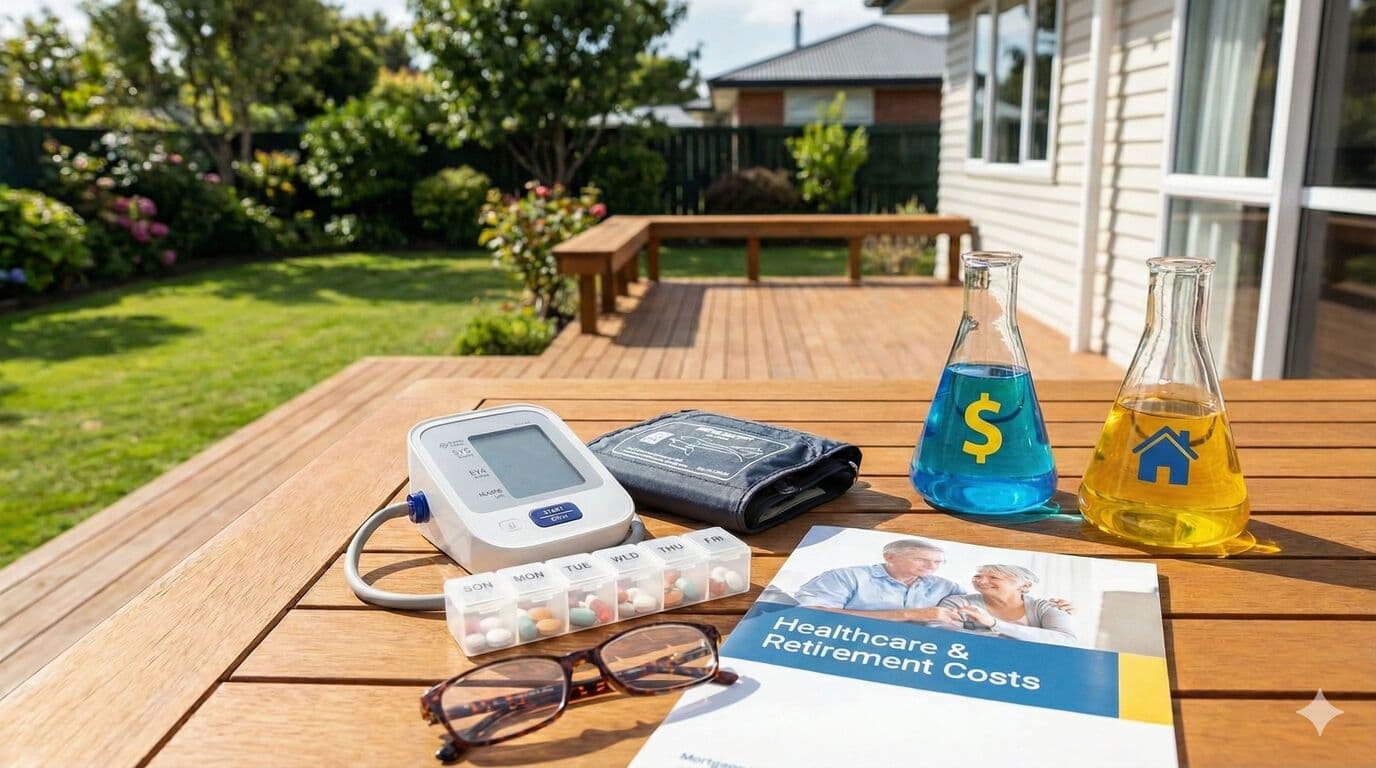
Healthcare Costs in Retirement
Planning for medical expenses as you age-what is covered, what is not, and how to prepare financially.

Wills and Insurance: Ensuring Your Family is Protected
Insurance and wills work together to protect your family. Understanding the connection helps ensure your wishes are carried out.

Life Insurance vs. KiwiSaver: Cash Now vs. Wealth Later
Life insurance delivers cash quickly; KiwiSaver is locked in probate. Understanding the timeline prevents a cash-flow crisis.

The Golden Handcuffs: The Truth About Workplace Insurance
Group insurance is a valuable perk, but it is rarely designed to be your only layer of protection.

Dealing with a Diagnosis: Insurance Options When You Are No Longer Standard Risk
Receiving a diagnosis is stressful enough without worrying about your financial safety net. A diagnosis changes underwriting, not your options.

Inside the Black Box: How Insurers Decide to Cover You
Underwriting is not a mystery. It is a data-driven process that shapes your premiums, exclusions, and outcomes.

The Fine Print: Understanding What Your Insurance Does Not Cover
Exclusions are normal, but you should understand them before you ever need to claim.

Insurance for New Parents
Having children changes your insurance needs dramatically. Understanding how to protect your new family helps you prioritise the right coverage.

Reviewing Your Insurance: When and Why
Insurance needs change over time. Regular reviews ensure your cover matches your current circumstances without over-insuring or leaving gaps.

Insurance When Self-Employed
Self-employed people face unique insurance challenges. Understanding your options and gaps helps you protect yourself and your business.

Stepped vs Level Premiums: Long-Term Costs
Choosing between stepped and level premiums affects your insurance costs over time. Understanding the trade-offs helps you make the right choice.

Understanding Waiting Periods in Insurance
Waiting periods affect when your insurance cover starts and when claims are paid. Understanding these periods helps you plan your protection effectively.

Health Insurance in NZ: Public vs Private
New Zealand has public healthcare, but many people choose private health insurance. Understanding the differences helps you decide if private cover is right for you.

Mortgage Protection Insurance: Worth It?
Mortgage protection insurance promises to pay your mortgage if something goes wrong. Understanding how it compares to alternatives helps you decide.

Total Permanent Disability (TPD) Insurance Guide
TPD insurance pays a lump sum if you become permanently disabled and can never work again. Understanding how it works helps you evaluate this important cover.

Trauma Insurance Explained
Trauma insurance pays a lump sum if you are diagnosed with a serious illness. Understanding how it works helps you decide if this cover suits your needs.

How Much Life Insurance Do You Need?
Calculating the right amount of life insurance cover. Too little leaves your family exposed. Too much wastes premium dollars you could use elsewhere.

Why ACC Does Not Cover Everything You Think
New Zealand ACC provides injury cover, but many people overestimate what it includes. Understanding the gaps helps you protect yourself properly.

Income Protection vs Life Insurance: What is the Difference?
Understanding the difference between income protection and life insurance. Both provide financial protection, but in very different circumstances.

Life Insurance 101: What Every Kiwi Should Know
Understanding the basics of life insurance in New Zealand. Why it matters, what it covers, and how to decide if you need it.

Contents Insurance in NZ: Protecting What is Inside Your Home
Contents insurance covers your belongings, but how much do you need and what is actually covered? Here is what to know.

Life Insurance vs Income Protection: Understanding the Difference
Both protect your family financially, but they work very differently. Here is how to decide which cover you need.

House Insurance in NZ: What Every Homeowner Needs to Know
House insurance protects your biggest asset, but understanding what you are covered for requires looking beyond the premium. Here is what matters.

Landlord Insurance in NZ: What Every Property Investor Needs to Know
Landlord insurance protects your rental property investment beyond standard home insurance. This guide covers what is included, typical costs, and why it matters for NZ investors.

Quit Smoking? You Could Be Paying Too Much for Life Insurance
Former smokers who have been quit for 12 months may be eligible to reclassify their life insurance status, potentially reducing premiums significantly.

Better Budget: Insurance Excess
Increasing your insurance excess can reduce premiums by $100 to $250 per year. Understanding the break even calculation helps you decide if a higher excess makes sense.

Small Steps: Review Your Insurance Policies for Better Cover
If you haven't reviewed your insurance in the last couple of years, you're not alone. This month's Small Steps action is to pull out your policies and see whether they still stack up.