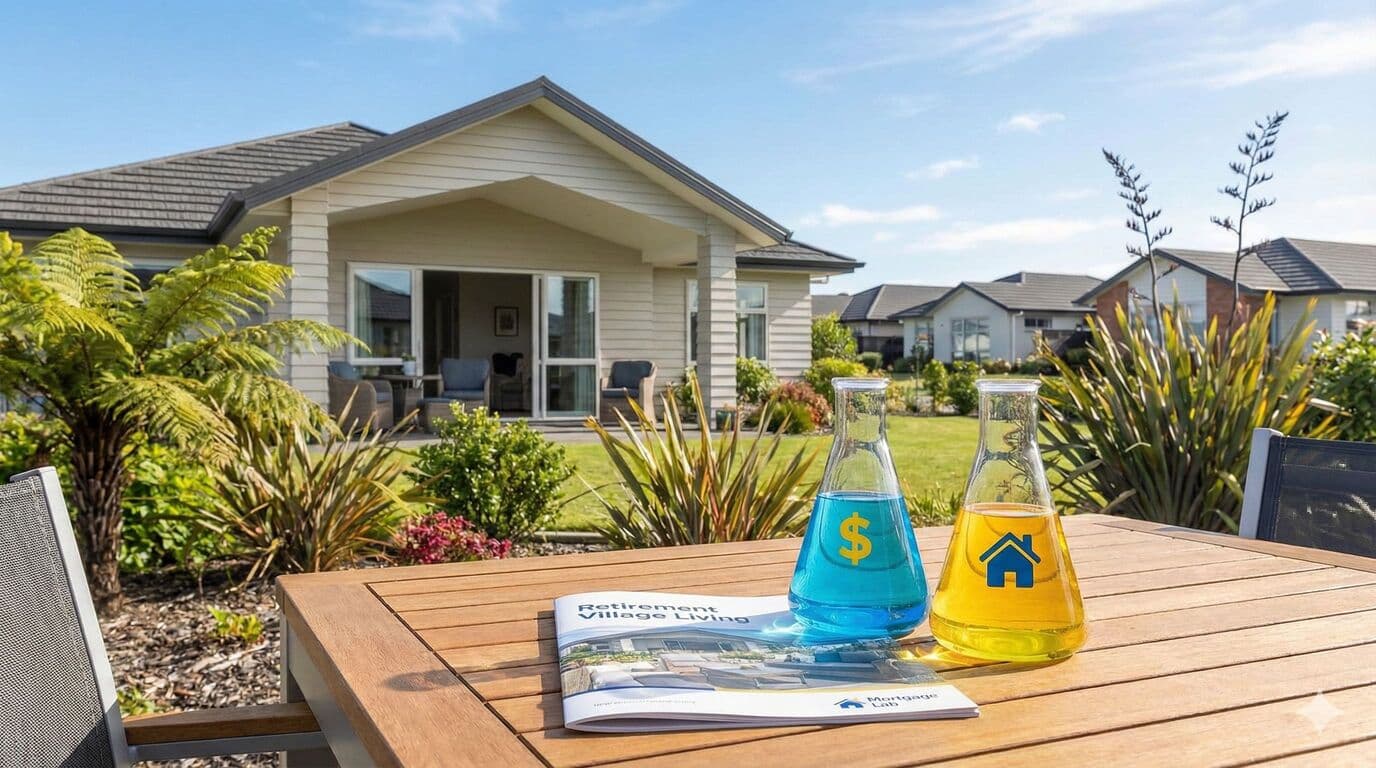
Retirement villages offer purpose-built living for older New Zealanders, but their cost structures are complex. Understanding the options helps you make an informed decision.
Types Of Retirement Living
Independent Living Units
Independent living units are standalone villas, townhouses, or apartments within a village where you live independently but have access to village facilities and services. This option typically suits active retirees who want community and security without needing care.
Serviced Apartments
Serviced apartments are smaller units with meals and cleaning services included. They provide more support than independent living but less than rest home care, suiting those who want help with daily tasks but remain largely independent.
Rest Home Care
Rest home care provides 24-hour care for those who cannot live independently, with nursing staff available, meals provided, and assistance with daily activities. This represents a higher level of care and supervision than independent living.
Hospital-Level Care
Hospital-level care is for those needing continuous nursing care with medical oversight and assistance with all daily activities. This is the highest level of care, often for those with significant health conditions or advanced dementia.
The Cost Structure
Retirement villages have unique and complex pricing that requires careful understanding.
Licence To Occupy
Most villages use a "licence to occupy" model rather than freehold ownership. You pay a capital sum for the right to live there, but you do not own the property. Capital sums range from $300,000 to $1,500,000+ depending on location and unit type.
Weekly Fees
Ongoing fees cover village maintenance, facilities, and some services. Independent units typically cost $100-$300 per week, serviced apartments $400-$800 per week, rest home care $1,000-$1,500 per week, and hospital care $1,500-$2,500 per week. Weekly fees often increase annually, sometimes faster than inflation.
Deferred Management Fee (DMF)
This is where it gets complex. Most villages charge a deferred management fee when you leave or pass away. The DMF is typically 20-30% of your original capital payment (or sometimes the sale price), accruing at 2-6% per year for the first few years.
To illustrate: on a $600,000 capital payment with a 25% DMF, the village retains $150,000 and returns $450,000 to you or your estate. This fee significantly affects the financial outcome.
Capital Gains Or Losses
Some contracts share capital gains, others do not. Some protect you from capital losses, others do not. Read the contract carefully to understand what happens to the unit's value.
What You Get For Your Money
Facilities typically included in your fees are the community centre and lounges, gardens and grounds maintenance, emergency call systems, some social activities, and security features.
Services that may cost extra include meals, cleaning and laundry, transport, healthcare services, and personal care assistance.
You should expect to pay separately for council rates in some cases, electricity and phone, contents insurance, and personal expenses.
Advantages Of Retirement Villages
Retirement villages offer genuine benefits for many people. The community aspect provides social activities, neighbours your age, and reduced isolation risk. Security is enhanced through gated access, emergency systems, and staff on site. Maintenance-free living means exterior maintenance and gardens are handled by the village. The continuum of care allows you to transition to higher care levels without moving far. And the purpose-built units are designed for older residents with accessibility features and single-level living.
Disadvantages
However, significant downsides exist. The cost structure including capital payment, ongoing fees, and DMF significantly erodes your wealth. Contracts are long and complicated with terms that vary widely. Rules may restrict visitors, pets, modifications, and subletting. Once in a village, leaving can be difficult and expensive. Weekly fees can increase substantially over time. And your capital is tied up and not easily accessible for other needs.
Questions To Ask
Before committing, you should understand the total capital payment, current weekly fees and how often they increase, and the deferred management fee structure. Ask what happens to capital gains or losses, what happens if you need to leave for health reasons, and what care is available on-site. Enquire about the financial position of the village operator and whether you can see the latest audited accounts. Make sure you understand the rules and restrictions, and what insurance you will need.
Legal Protections
The Retirement Villages Act 2003 provides some protections. Operators must be registered, there are disclosure requirements before you sign, you get a cooling-off period after signing, a dispute resolution process exists, and statutory supervisor oversight is required.
But the Act does not prevent high fees or unfavourable terms. You still need to read and understand contracts carefully.
Getting Advice
Before signing a retirement village contract, get independent legal advice from a lawyer not connected to the village and have an accountant review the financials to understand the true cost. Talk to current residents about their experience and compare multiple villages since terms vary significantly. Finally, consider alternatives to determine whether a village is actually right for you.
Alternatives To Consider
Other options include staying in your own home with modifications, downsizing to a smaller home or apartment, living with family, purpose-built independent housing that is not structured as a retirement village, or renting.
Retirement villages suit some people well. For others, the cost and restrictions are not worthwhile. Make sure it is the right choice before committing.
Need Help With Your Mortgage?
Our expert advisers are here to guide you through every step of your mortgage journey. Get in touch for a free, no-obligation consultation.
Talk to an Adviser