Building consent is the permission you need from your local council before starting most construction work in New Zealand. The process exists to ensure buildings are safe, durable, and meet the Building Code minimum standards. Understanding how it works saves time, money, and frustration.
Many first-time builders underestimate the consent process. It takes longer than expected, costs more than anticipated, and requires more documentation than seems reasonable. Being prepared helps you navigate these challenges successfully.
When You Need a Consent
Most building work requires consent. New houses, extensions, significant renovations, decks over a certain height, and changes to structural elements all require council approval before work begins. Starting work without consent is illegal and creates serious problems for future sales.
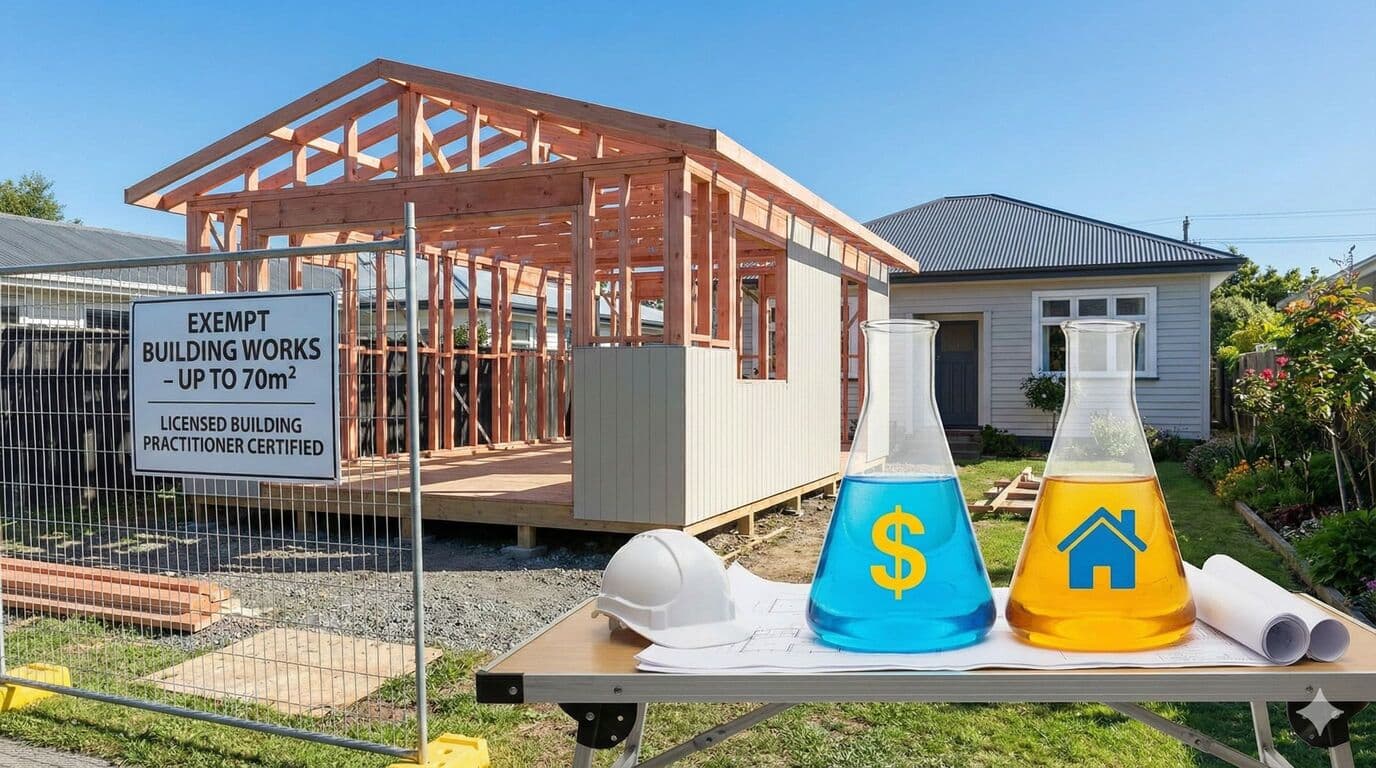
Some minor work is exempt from consent requirements. Small standalone buildings like garden sheds under 10 square metres, simple pergolas without roofs, and interior non-structural alterations generally do not need consent. However, the exemptions have conditions, and assuming your project qualifies without checking can be a costly mistake.
The granny flat exemption introduced in early 2026 allows small dwellings up to 60 square metres to be built without full consent in some circumstances. This exemption shifts responsibility to homeowners and Licensed Building Practitioners rather than eliminating oversight entirely. Council notification is still required before construction begins.
The Consent Process
The process begins with preparing documentation. For a new house, this typically includes architectural plans, engineering specifications, a project information memorandum, specifications for materials and systems, and completed application forms. Engaging professionals to prepare these documents costs money but produces better outcomes.
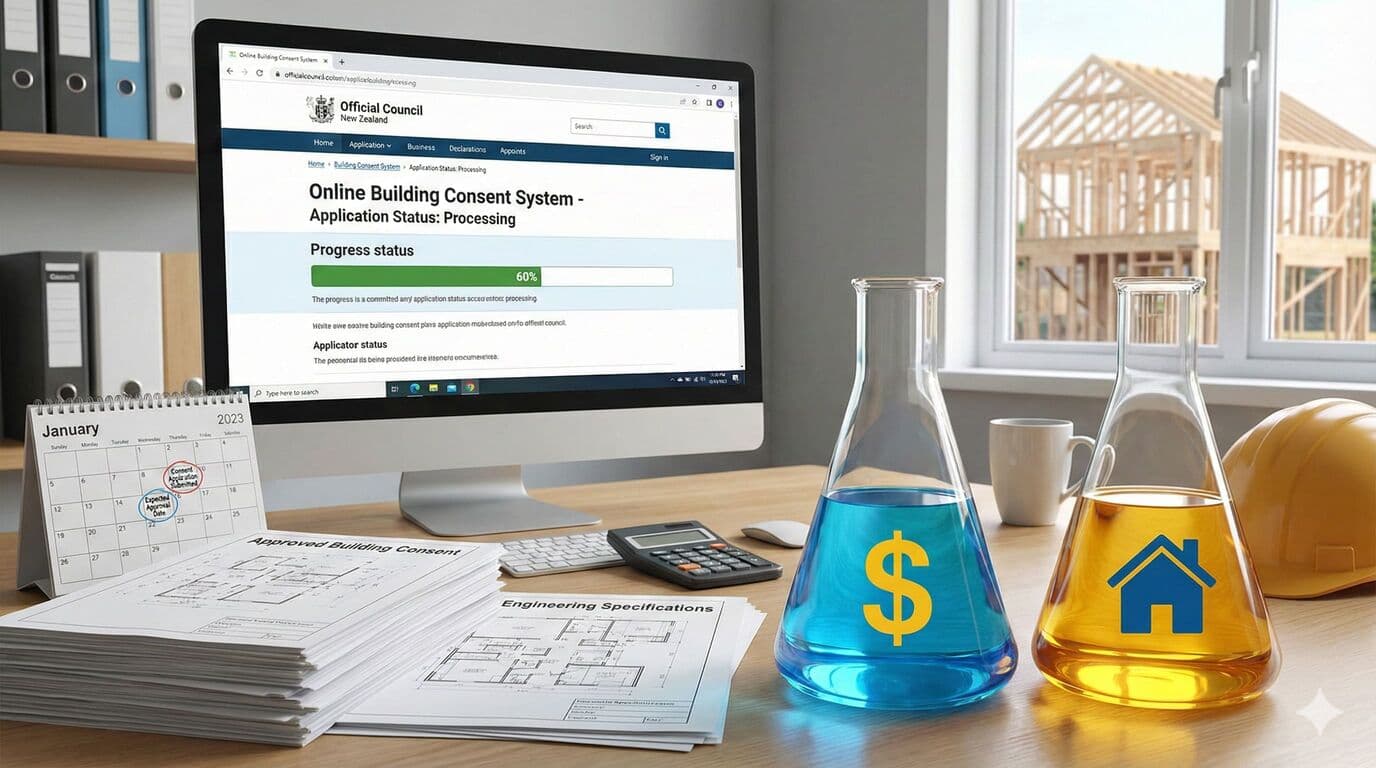
Once submitted, councils have a statutory timeframe to process applications. Standard applications must be processed within 20 working days. Complex applications requiring external input may take longer. In practice, many councils struggle to meet these timeframes, and requests for further information reset the clock.
During processing, the council assesses whether your proposed building will comply with the Building Code. They check structural integrity, fire safety, weathertightness, accessibility, and numerous other requirements. Issues identified require resolution before consent is granted.
What It Costs
Building consent fees vary significantly between councils. A new house consent typically costs between $3,000 and $8,000 depending on the project size, complexity, and your local council's fee structure. Development contributions for infrastructure can add substantially more.
Fees are not the only consent-related cost. Professional fees for engineers, architects, and designers to prepare consent documentation often exceed the council fees themselves. Budget $10,000 to $20,000 for professional fees on a standard new home.
Inspection fees during construction add further cost. Councils inspect at key stages to verify work matches the consented plans. These inspections are essential for obtaining your Code Compliance Certificate at completion.
Common Mistakes
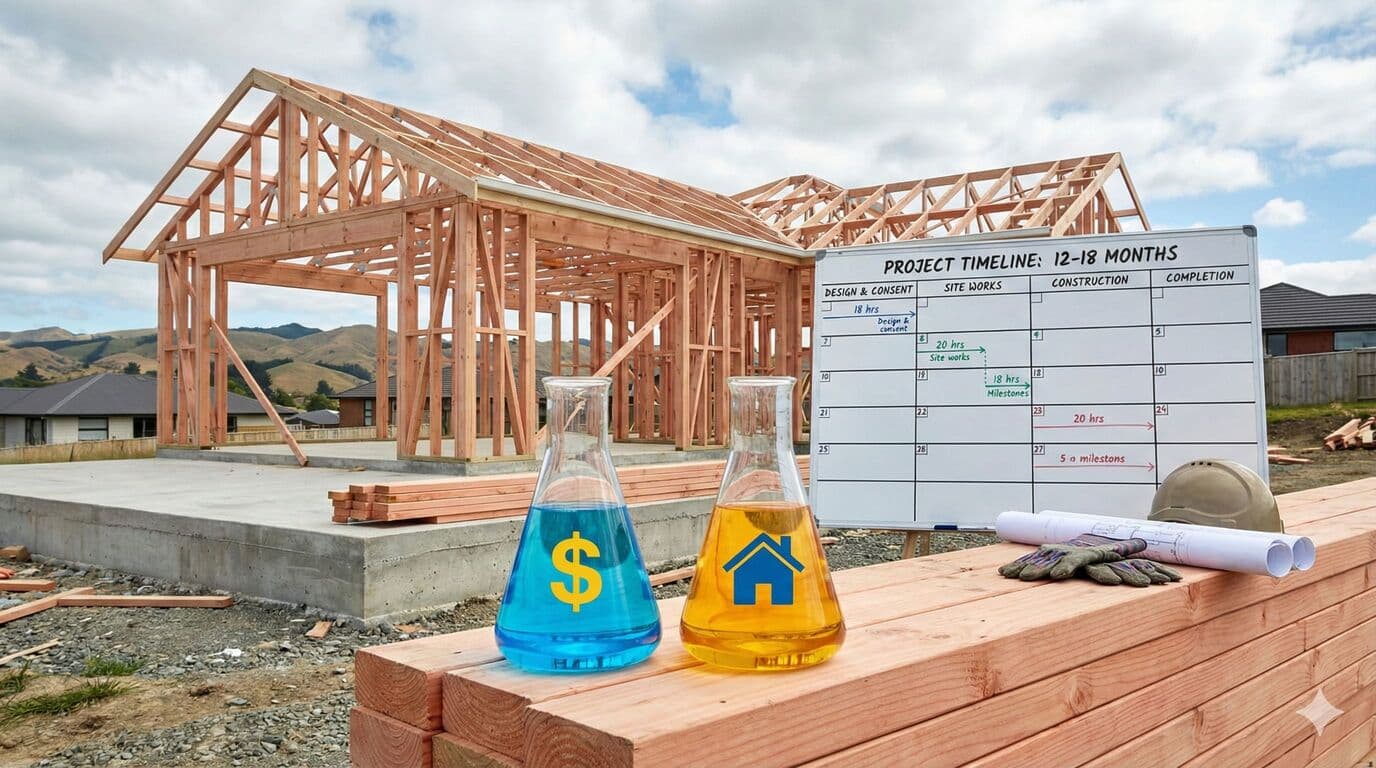
Underestimating timelines causes problems for many builders. Consent should be obtained before committing to construction start dates. A 20-working-day process can stretch to months if further information is required or amendments are needed.
Inadequate documentation leads to requests for further information. Each request delays your consent and may require additional professional input. Investing in thorough documentation upfront saves time overall.
Assuming exemptions apply without verification risks significant problems. Building work completed without required consent cannot receive a Code Compliance Certificate. This affects insurability, saleability, and may require remediation or demolition.
Changes during construction that deviate from consented plans require amendments. Even seemingly minor changes to window positions, room sizes, or materials may need formal consent amendments. Proceeding without amendments creates compliance issues.
Code Compliance Certificate
When construction is complete, you apply for a Code Compliance Certificate. This document confirms your building was constructed in accordance with the consent and complies with the Building Code. It is essential for insurance, bank valuations, and future sales.
Councils must issue the certificate within 20 working days if they are satisfied the building complies. Problems identified during final inspection delay the certificate until resolved. Incomplete work or deviations from consent require rectification.
Selling a property without a Code Compliance Certificate is difficult. Banks may decline to lend against the property, and buyers face uncertainty about whether the building meets standards. Obtaining the certificate is not optional for mainstream transactions.
Working With Your Council
Building relationships with council staff helps navigate the process. Building inspectors appreciate clear communication, organised documentation, and builders who understand requirements. Antagonistic relationships make an already difficult process harder.
Pre-application meetings allow you to discuss your project before formal submission. Councils can identify likely issues and guide your approach. The small cost of pre-application services often saves larger costs from rejected or delayed applications.
Consider engaging a building consent consultant for complex projects. These professionals understand council requirements and present applications in ways that facilitate approval. Their fees are justified by smoother processing and fewer delays.
Need Help With Your Mortgage?
Our expert advisers are here to guide you through every step of your mortgage journey. Get in touch for a free, no-obligation consultation.
Talk to an Adviser