Construction
New build and construction lending: progress payments, budgeting, and how construction loans work from contract to completion.
Articles in this topic

Using KiwiSaver for Land Purchase
Can you use KiwiSaver to buy land? The rules are specific about when land purchases qualify for first home withdrawal.
When Your Build Goes Wrong: Protecting Yourself in NZ
What to do when construction problems arise. Understanding your rights, protections, and options when things do not go as planned.
Section Preparation: What You Need Before Building Starts
Getting your section ready for construction. From investigations to services, understand what preparation is needed before builders can start work.
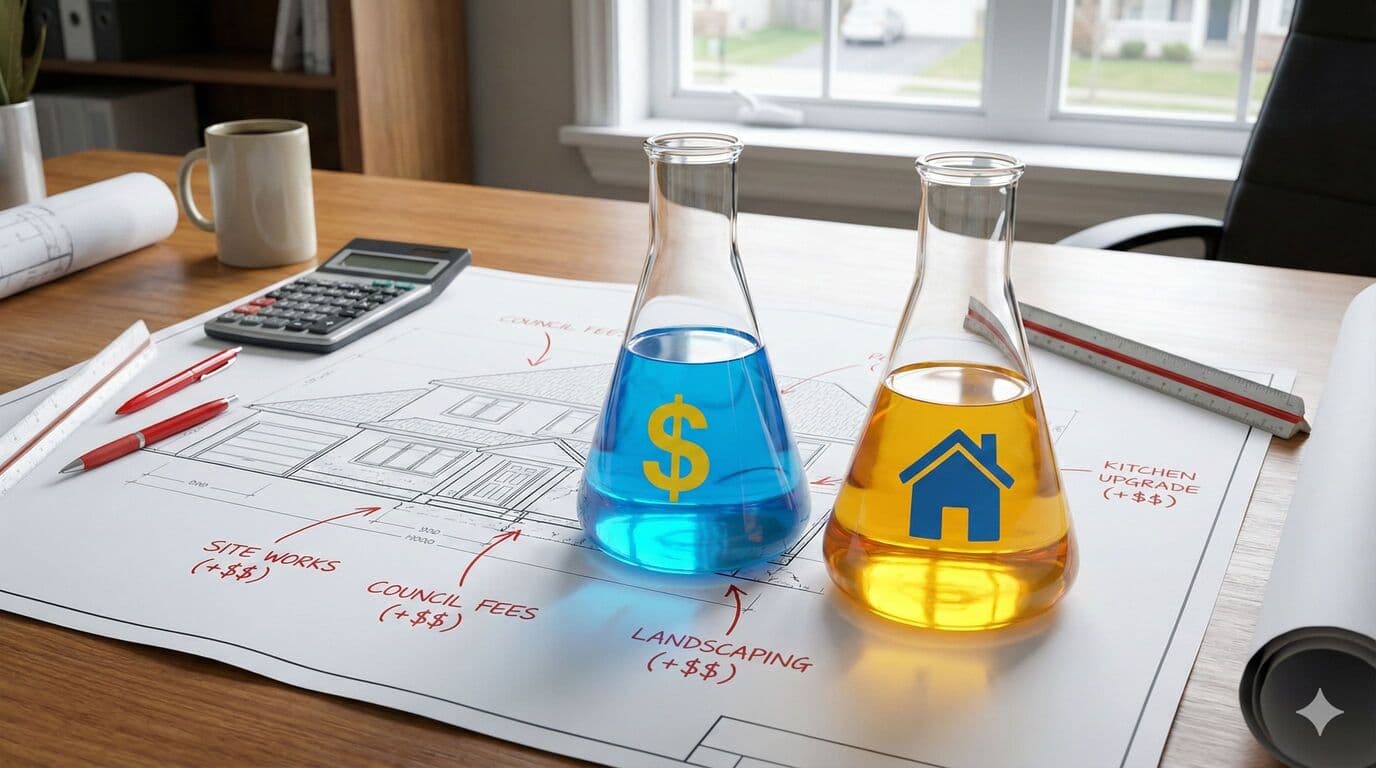
The Hidden Costs of Building: What Is Not in the Quote
Building quotes do not cover everything. Understand the additional costs that fall outside standard contracts and how to budget for the full project.
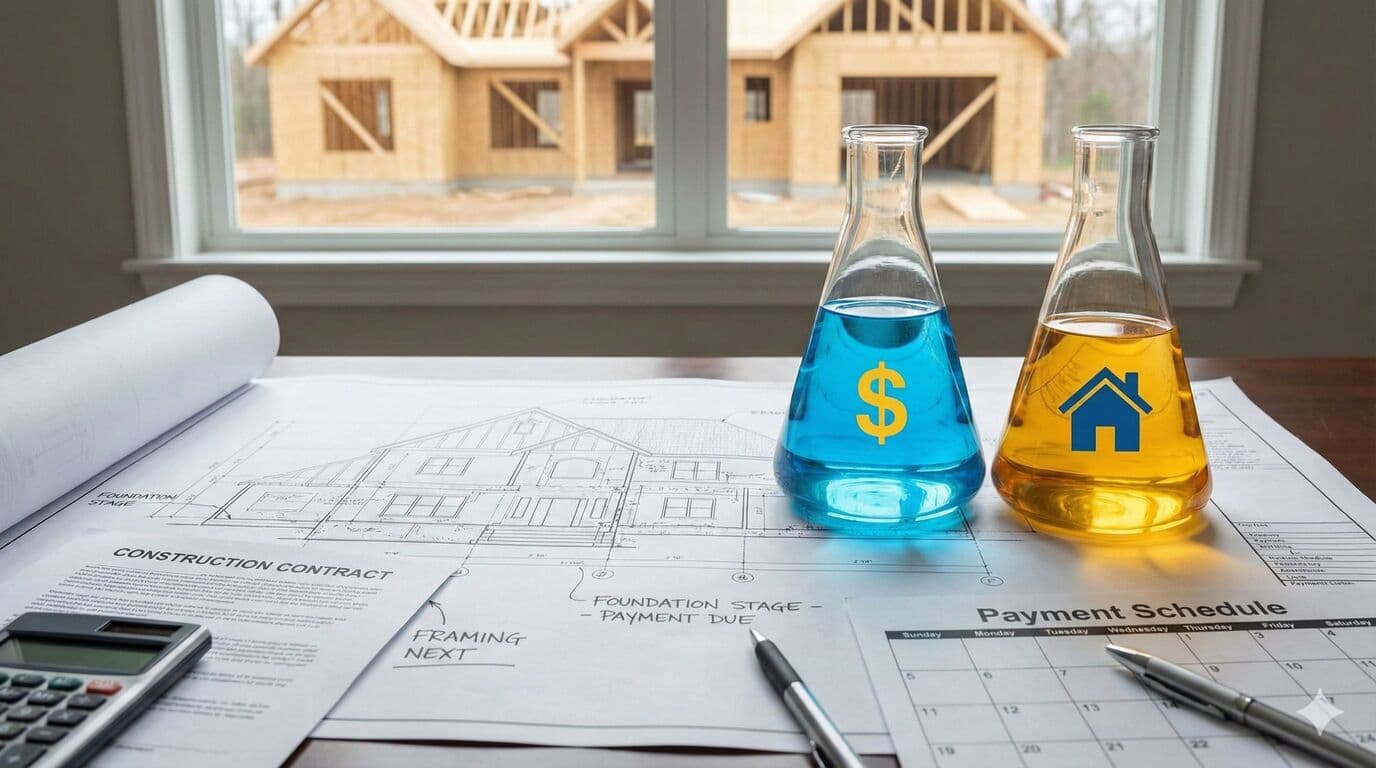
Understanding Progress Payments During Construction
How progress payments work during new build construction in NZ. Learn the typical payment stages, what triggers each payment, and how to manage the process.
New Build Deposit Requirements in NZ
How much deposit do you need for a new build? Understand how qualifying new-build or construction lending may offer more flexibility, while lender criteria still decide what is available.
Working with an Architect vs Group Home Builder in NZ
Comparing architect-designed homes with group home builders. Understand the differences in cost, customisation, and process to choose the right approach.
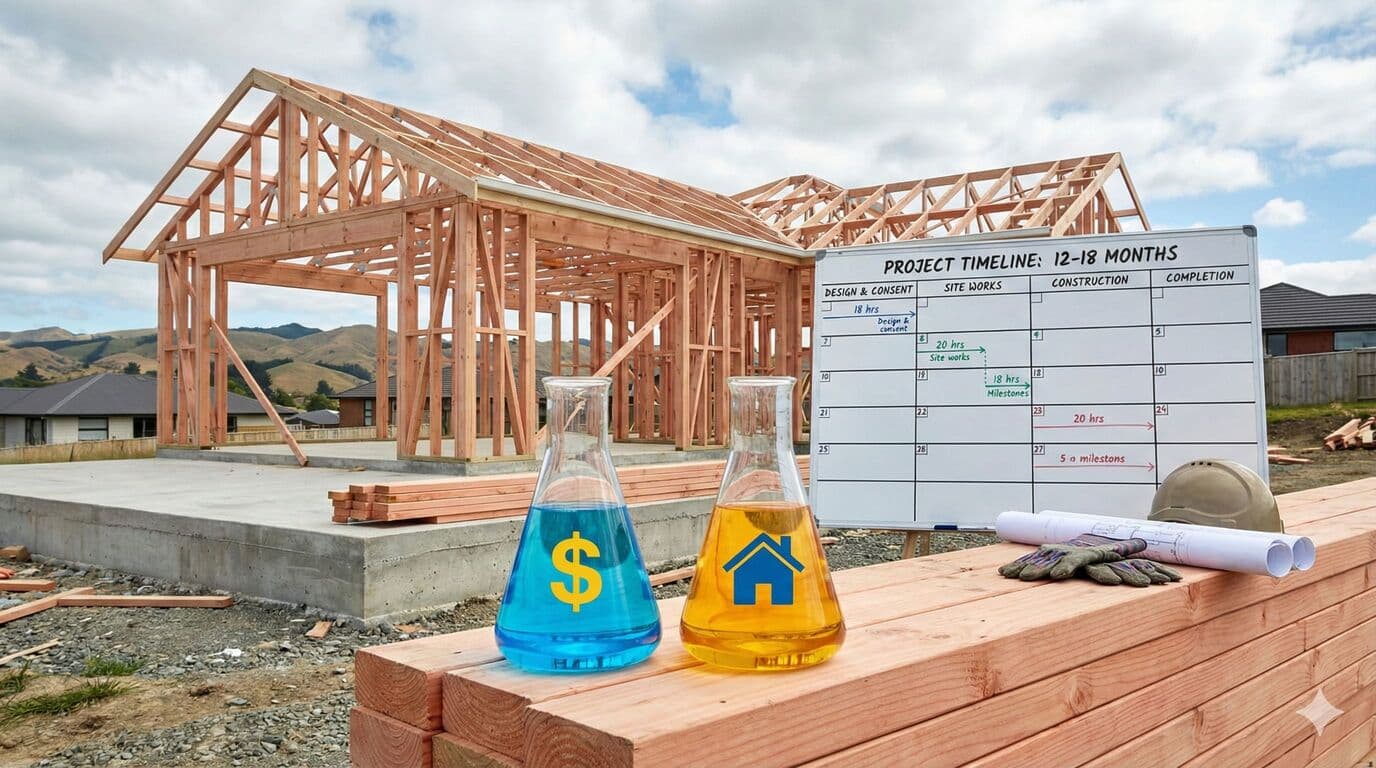
How Long Does It Take to Build a House in NZ?
Realistic timelines for building a new home in New Zealand. From consents to completion, understand what affects construction duration.
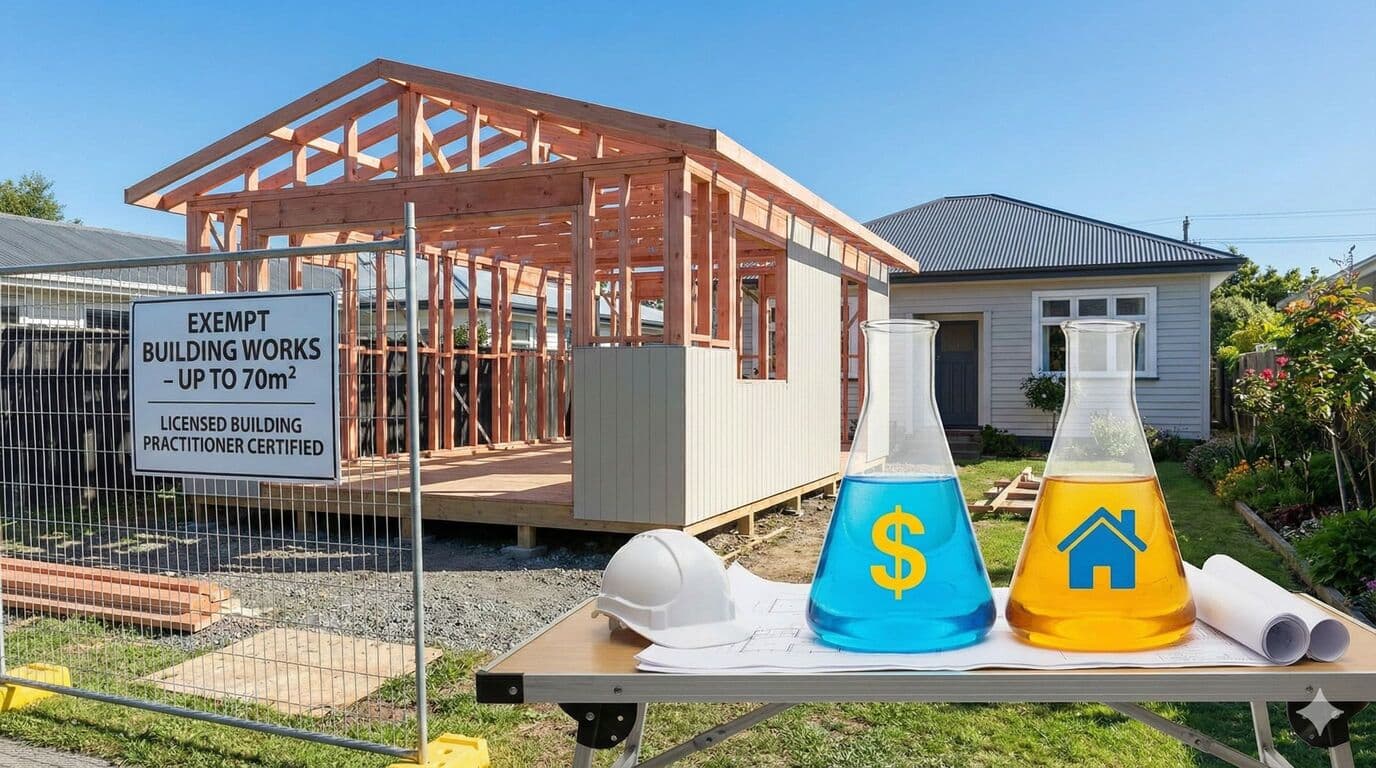
Granny Flat Rules in NZ: The 60m² Building Consent Exemption
New Zealand granny flat rules allow small dwellings up to 60m² without full building consent. Learn what the exemption covers, including council notification requirements.
Understanding Master Build Guarantee in New Zealand
What Master Build Guarantee covers, how it protects you, and why it matters when choosing a builder. A complete guide to NZ building warranties.
Building on a Sloping Section: Costs and Considerations
Sloping sections can offer stunning views but come with significant extra costs. Learn what to expect and how to budget for building on a slope in NZ.
New Build Finance: How Construction Loans Work in NZ
Understanding construction loans and progress payments for new builds. Learn how banks handle new build lending differently from standard mortgages.
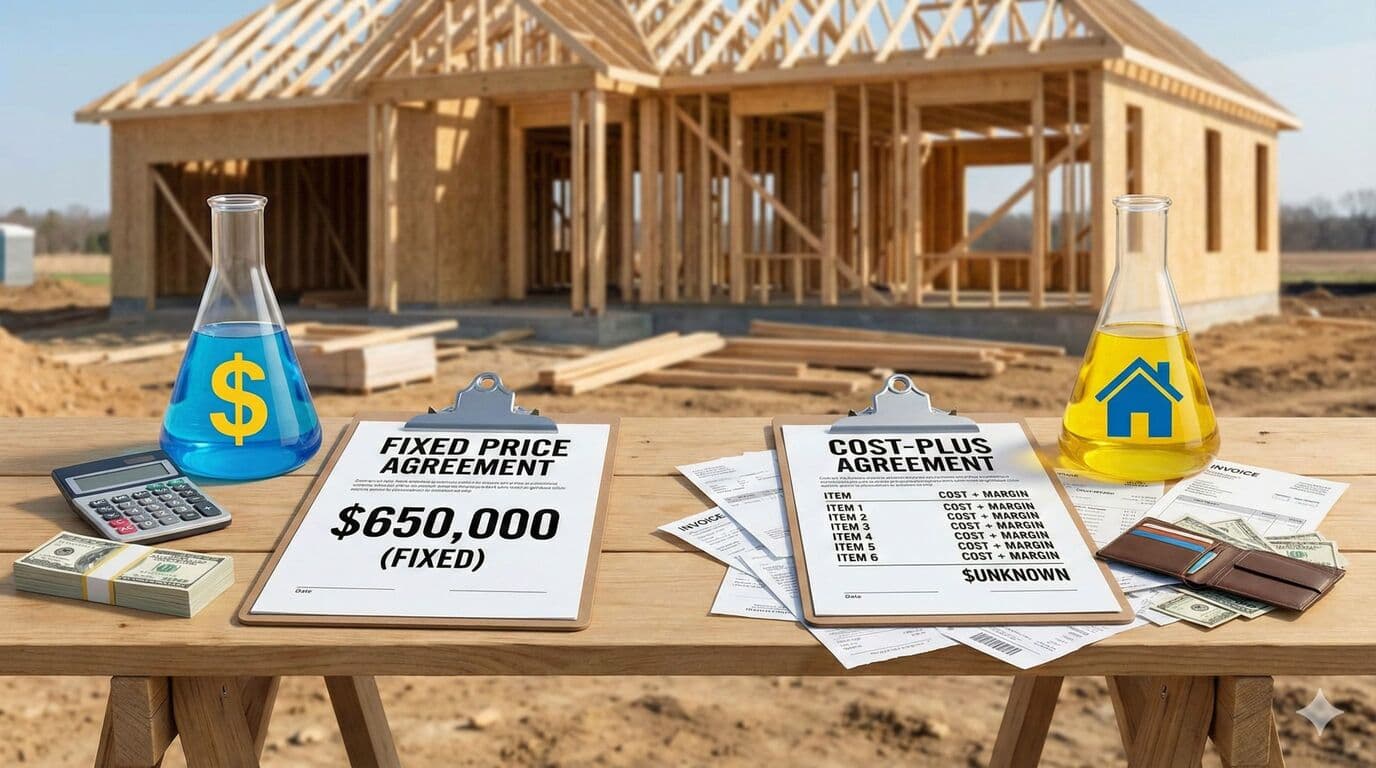
Fixed Price vs Cost-Plus Building Contracts Explained
Understanding the difference between fixed price and cost-plus building contracts in NZ. Learn which contract type suits your situation and how to protect yourself.
Choosing the Right Builder: What to Look For in NZ
How to find and evaluate builders for your new home project. Learn the key questions to ask, warning signs to watch for, and how to protect yourself.
Understanding Building Consents in New Zealand
A practical guide to the building consent process in NZ. Learn when you need a consent, how long it takes, what it costs, and how to avoid common mistakes.

New Build vs Existing Home: Which Is Right for You?
Comparing the advantages and disadvantages of building new versus buying an existing property in New Zealand. Make an informed decision for your situation.

How Much Does It Cost to Build a House in NZ? (2026 Guide)
A complete breakdown of New Zealand building costs per square metre, regional variations, and what to budget for a new home in 2026.
Common Cost Overruns in New Builds and How to Avoid Them
Building projects often cost more than expected. Understanding where budgets blow out helps you plan realistically and avoid surprises.
How to Choose a Builder for Your New Home
Your choice of builder affects everything from build quality to whether your project finishes on budget. Here is how to find the right one.
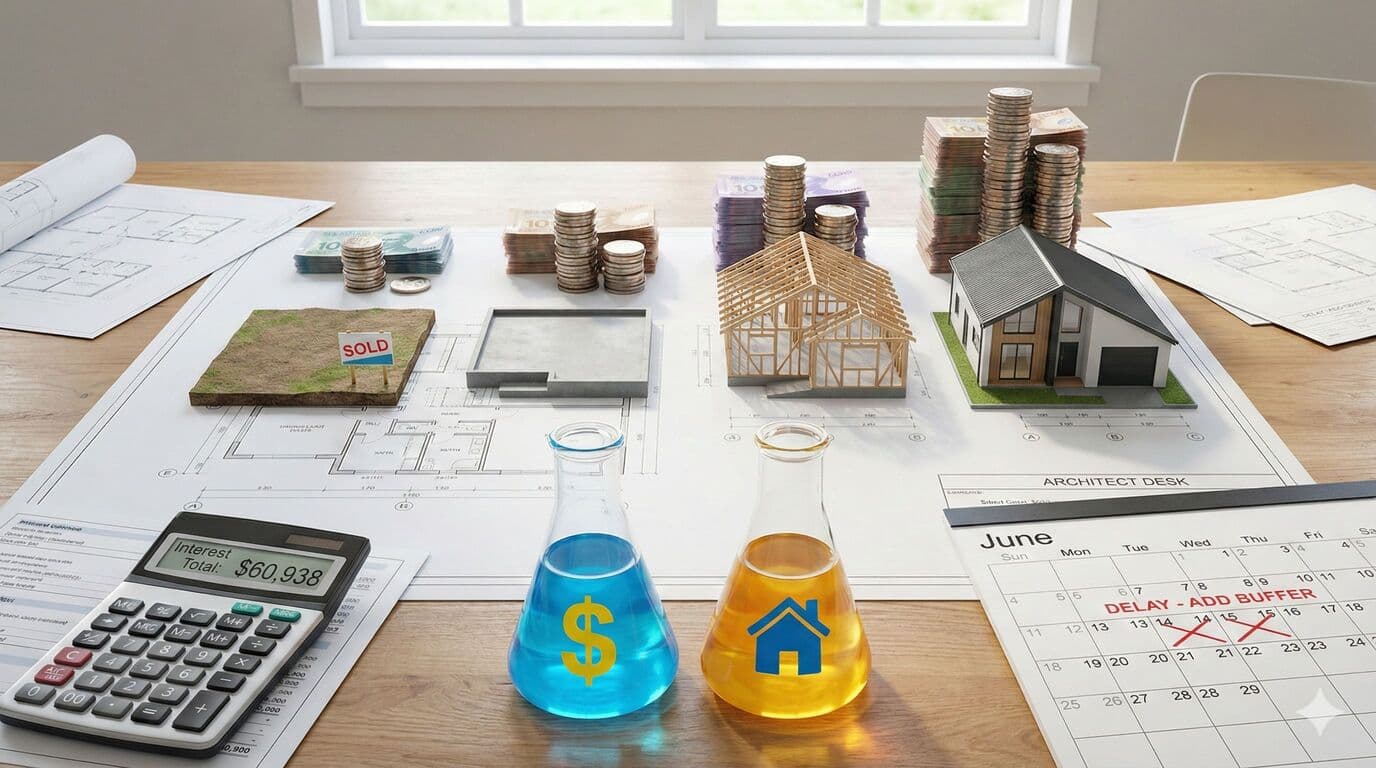
Calculating The Interest On Your Progress-Payment Construction
Understanding how interest accumulates during progress-payment construction contracts helps you budget accurately for your build.
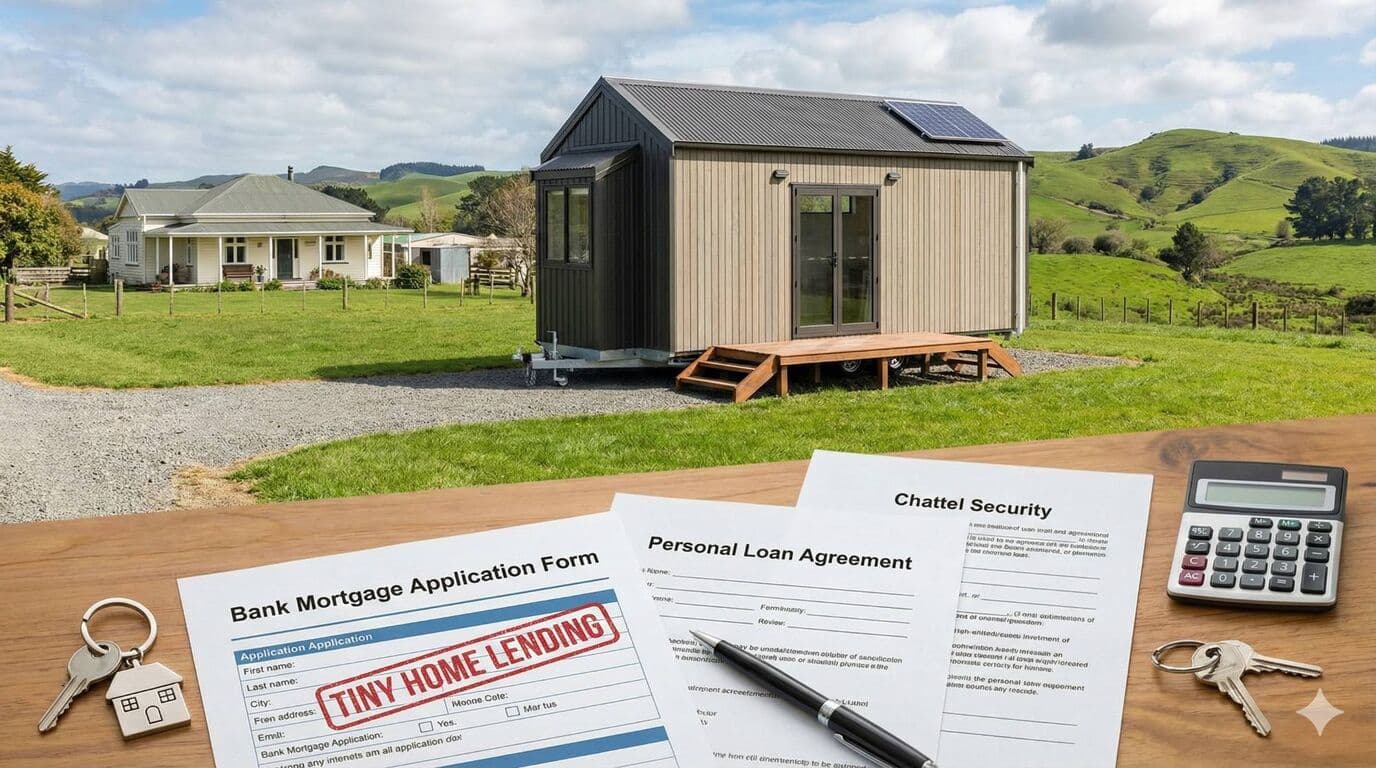
How Do You Get a Mortgage on a Tiny Home?
Tiny homes present unique financing challenges. Here's what you need to know about securing a mortgage for compact living spaces.
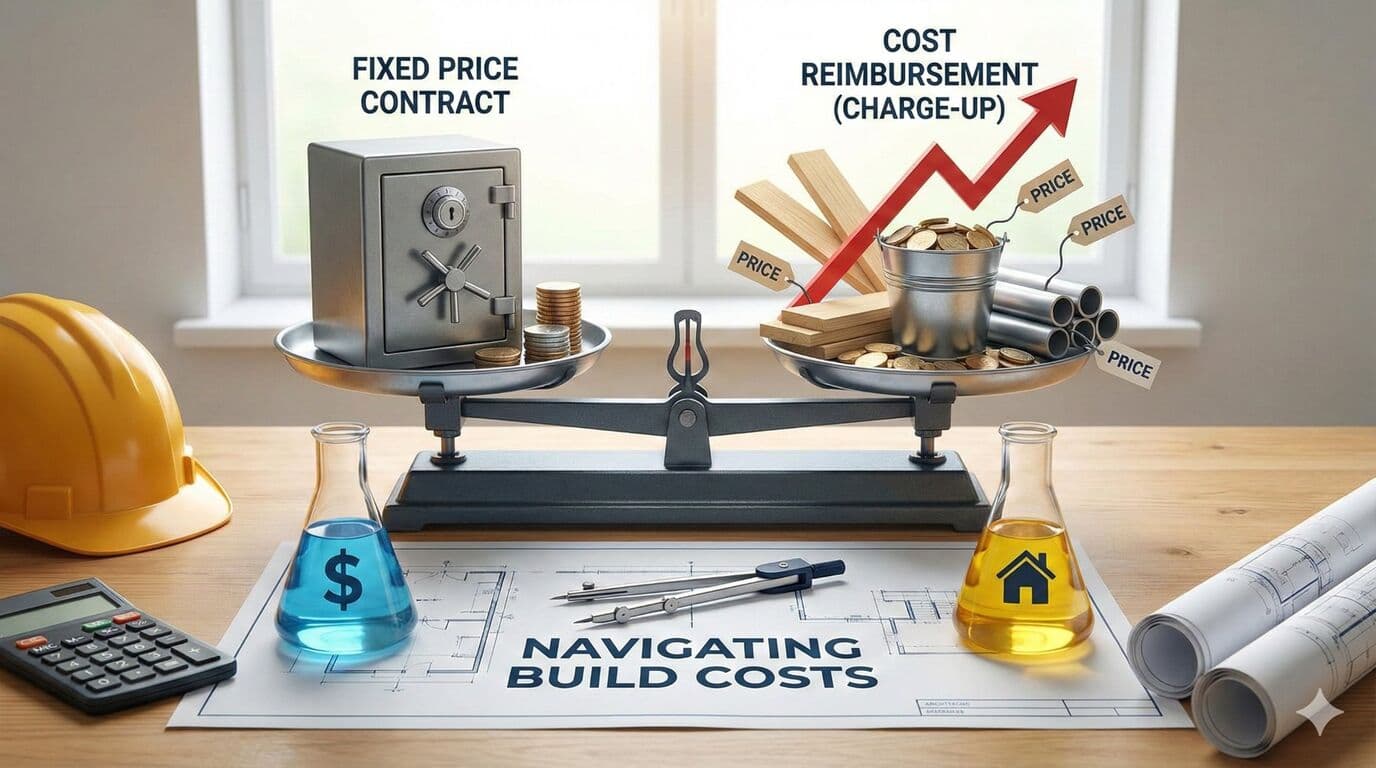
Fixed Price vs Cost Reimbursement: How to Navigate Cost Fluctuations in Build Contracts
This article explores two primary building contract structures in New Zealand: fixed-price contracts and cost reimbursement contracts.

9 Mistakes to Avoid When Applying for a Construction Loan
Building a home is one of the most exciting milestones you can achieve-but also one of the most complex. Here are key pitfalls to sidestep.

What Is an Easement? Understanding Property Rights in New Zealand
Easements are a legal but often overlooked element of property ownership in New Zealand. If you're buying a property-especially a new build-it's highly likely your title includes an easement.

Construction Mortgages – Turn-Key vs Progress Payment Contracts
Building a new home presents an exciting opportunity with potentially more flexible financing than existing property purchases. Here are the two primary contract structures.
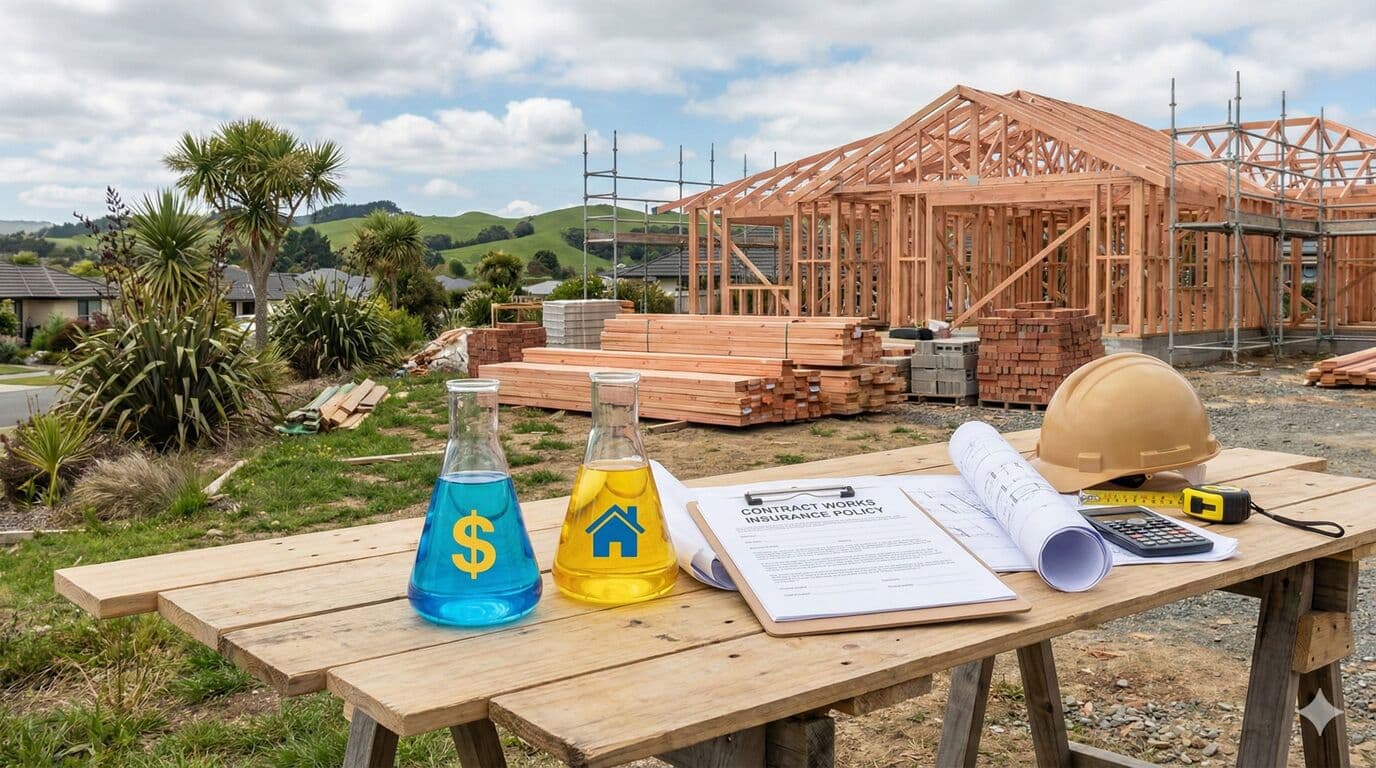
What Is Contract Works Insurance and Why Do You Need It?
If you're about to build a new home or undertake major renovations, your standard house insurance won't cover you during the construction phase. That's where contract works insurance steps in.