Before construction can begin, your section needs preparation. Investigations reveal what lies beneath the surface. Services need connection or extension. Site works create a suitable building platform. Understanding these requirements helps you plan timelines and budgets realistically.
Section preparation often takes longer and costs more than buyers expect. Completing preparation work before construction starts prevents delays once builders are engaged.
Site Investigation
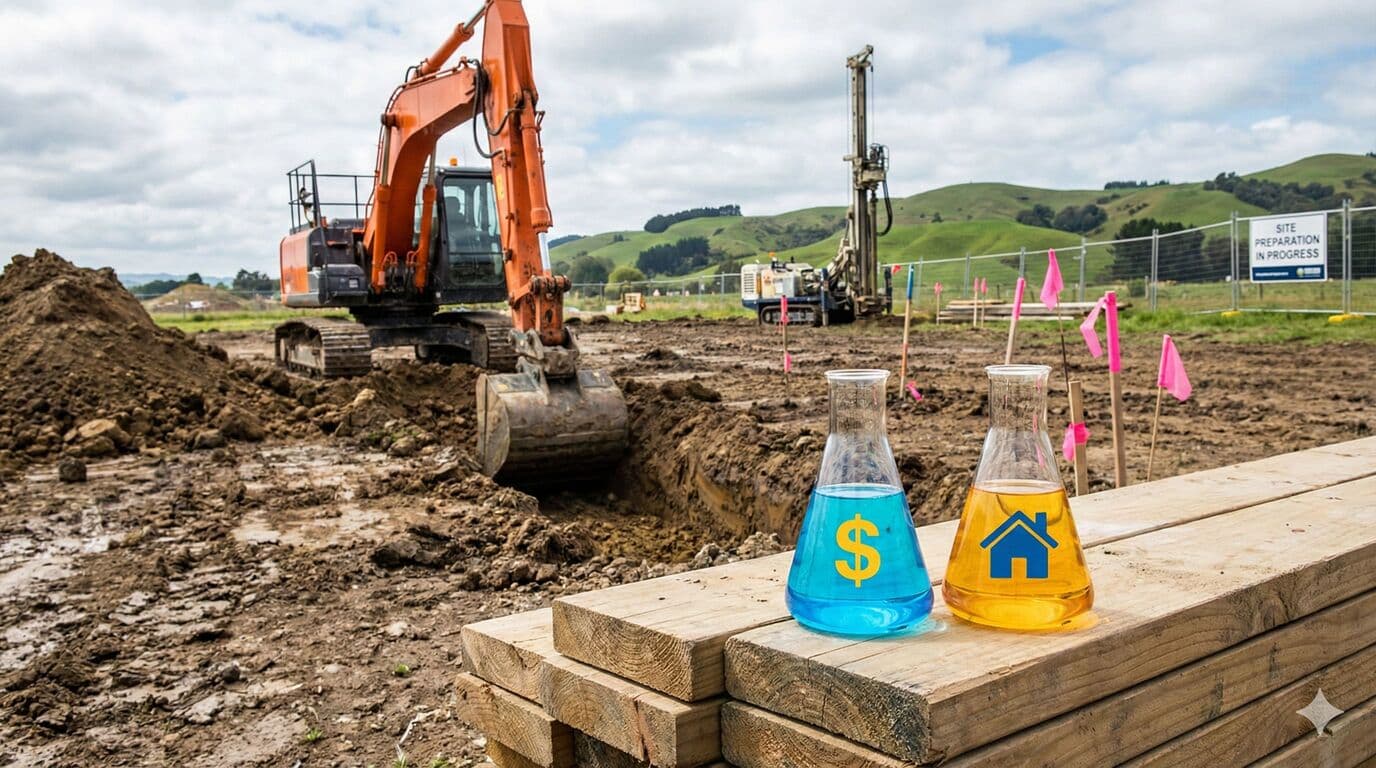
Geotechnical investigation examines soil conditions, groundwater, and stability. The results determine foundation design and identify potential problems before they become expensive surprises.
Investigation involves drilling boreholes or digging test pits to examine subsurface conditions. A geotechnical engineer interprets findings and recommends appropriate foundation solutions. Costs range from $1,500 for simple sites to $5,000 or more for complex investigations.
Contamination assessment may be required for sections with industrial history or in areas of known contamination. Testing soil for hazardous materials adds cost but prevents discovering problems after building starts.
Survey work confirms exact property boundaries and levels. Setting out the building position relative to boundaries and establishing precise levels ensures your house sits correctly on the site.
Service Connections
Water supply needs connection to council mains. If mains reach your boundary, connection is straightforward. If mains are distant or do not exist, alternative supply solutions are needed.
Wastewater connection to council sewer is standard in urban areas. Rural sections may require on-site wastewater treatment systems, adding significant cost and requiring specific consent.
Stormwater disposal needs planning. Councils specify how rainwater from your roof and paved areas must be managed. Connections to stormwater systems, soakage pits, or rainwater collection all have requirements.
Electrical connection involves your local lines company plus a retailer. New connections require application, and power to the boundary is needed before construction. If power lines do not reach your site, bringing supply can be expensive.
Telecommunications including fibre connection should be arranged early. Ducting for cables can be installed during earthworks, making later connection easier and cheaper.
Earthworks and Site Works
Removing vegetation and clearing the building area comes first. Trees may require resource consent for removal. Disposing of vegetation adds cost.
Topsoil stripping removes organic material unsuitable for building platforms. This topsoil is usually stockpiled for later landscaping use.
Cut and fill creates level areas from sloping ground. Cut material can sometimes be used as fill elsewhere on the site. Excess material requires disposal off-site at additional cost.
Compaction of fill areas ensures stability. Poorly compacted fill settles over time, causing building damage. Engineering supervision confirms adequate compaction.
Access tracks enable construction vehicles to reach the building site. Temporary tracks may be needed during construction, with permanent driveways constructed later.
Retaining Requirements
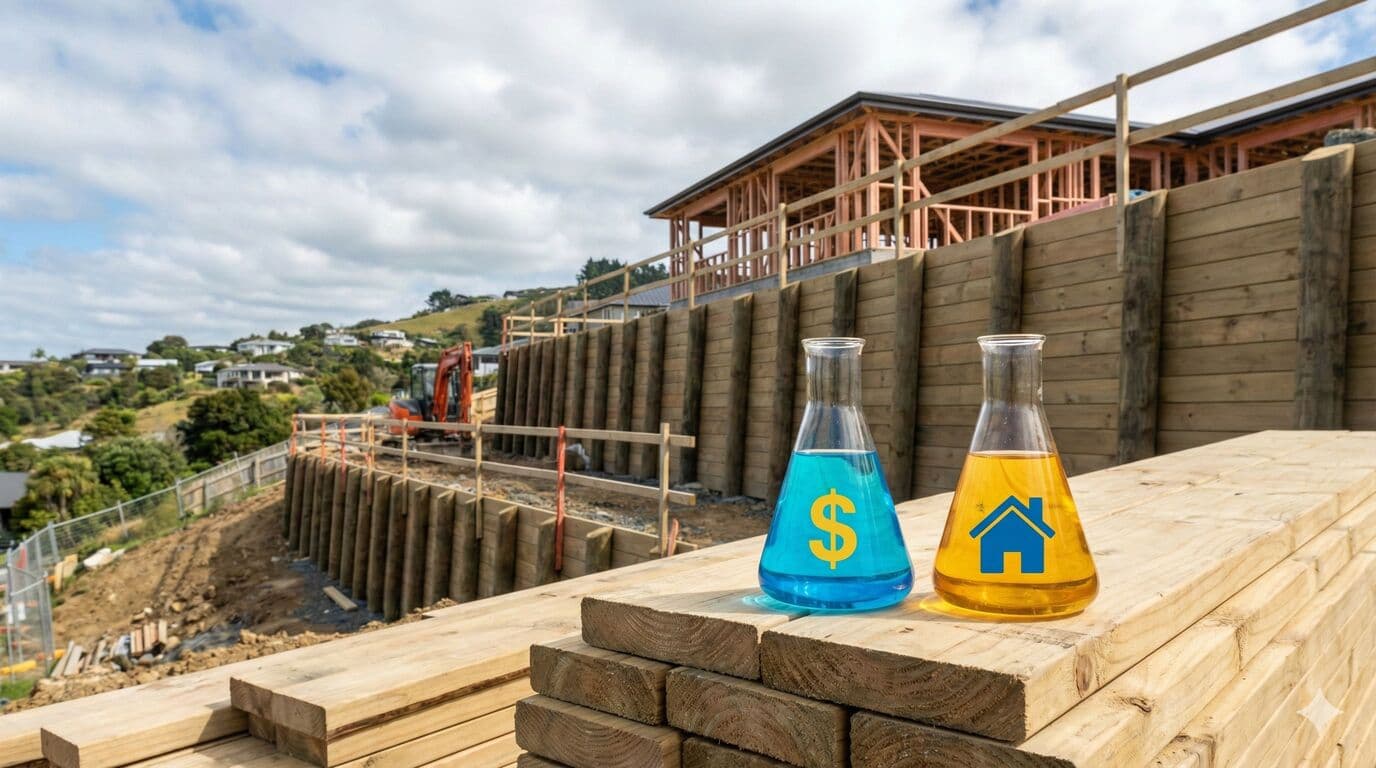
Retaining walls support level changes and hold back cut faces. Engineering design ensures walls are adequate for the loads they will carry.
Retaining can be constructed before building starts or as part of the building contract. Timing affects coordination and potentially costs.
Drainage behind retaining walls prevents water pressure building up. Proper drainage design prevents wall failure and water problems.
Council Requirements
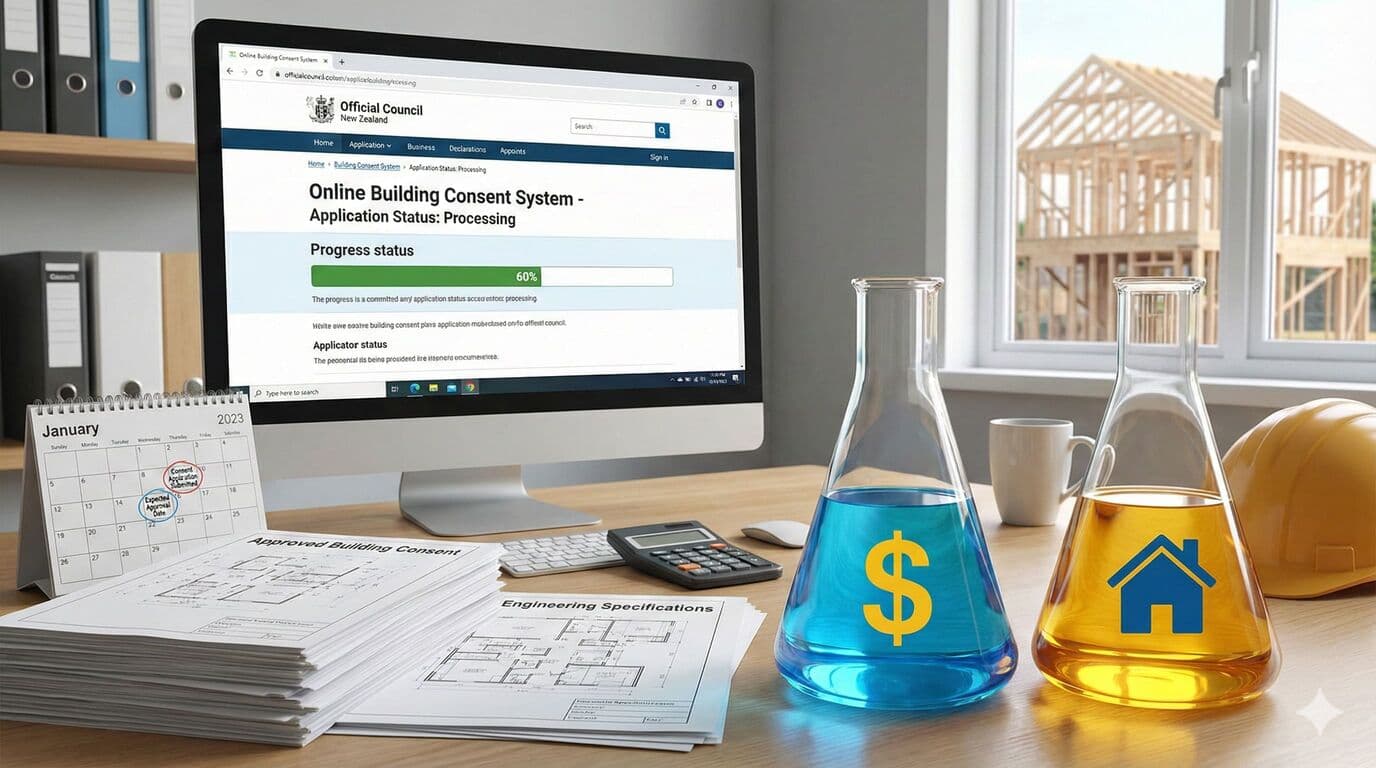
Building consent requires site-specific information. Geotechnical reports, survey plans, and service connection details form part of your consent application.
District plan compliance affects what you can build and where. Setback requirements, height limits, and site coverage rules constrain building location and design.
Resource consent may be required for earthworks exceeding volume thresholds, removing protected trees, or building in special planning areas.
Timing Considerations
Section preparation takes time that should not be underestimated. Investigation, engineering, and consent processes can take months.
Seasonal factors affect earthworks. Wet conditions make excavation difficult and can delay work. Summer is generally preferable for site preparation.
Coordinate with your building timeline. Completing preparation before engaging builders prevents delays in construction start.
Working With Professionals
Civil engineers design earthworks, retaining, and site drainage. Their expertise prevents problems that would cost more to fix later.
Land surveyors establish boundaries and levels. Their accuracy ensures your building sits correctly on the site.
Project managers coordinate various consultants and contractors. For complex sites, professional coordination ensures all preparation work comes together correctly.
Section preparation is an investment in successful construction. Cutting corners on investigation or site works creates risks that may emerge as expensive problems during or after building. Proper preparation sets your project up for success.
Need Help With Your Mortgage?
Our expert advisers are here to guide you through every step of your mortgage journey. Get in touch for a free, no-obligation consultation.
Talk to an Adviser