Sloping sections attract buyers with the promise of views, privacy, and sometimes lower purchase prices than flat land. However, the construction costs on slopes can quickly consume any savings on land price. Understanding these costs before purchasing helps you make an informed decision.
Building on a slope is not impossible or even unusual in New Zealand. Our hilly terrain means many excellent homes sit on sloping sites. The key is understanding the additional costs and engineering requirements before committing.
Why Slopes Cost More
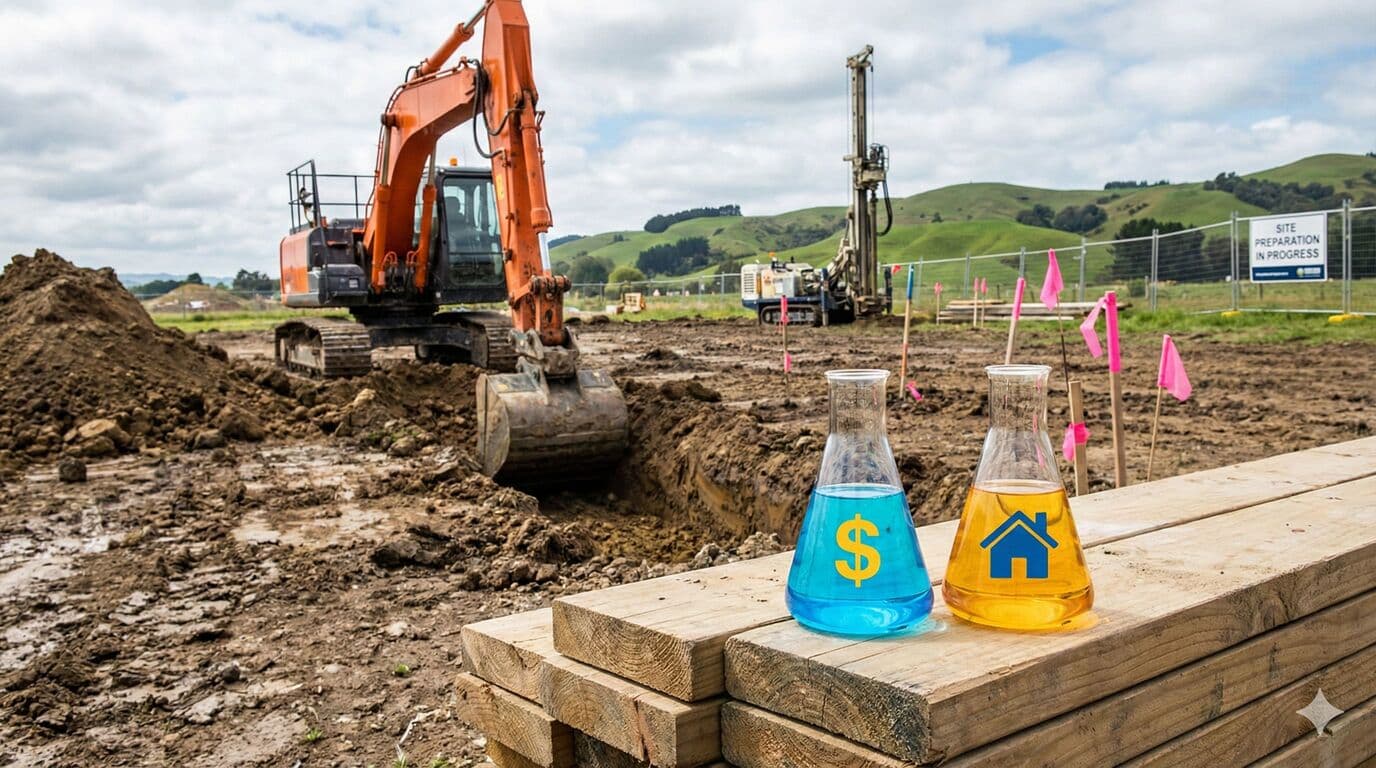
Flat sites require minimal preparation. Excavators level the building platform, foundations go in, and construction proceeds straightforwardly. Slopes require engineering solutions to create a stable platform and prevent the building from moving over time.
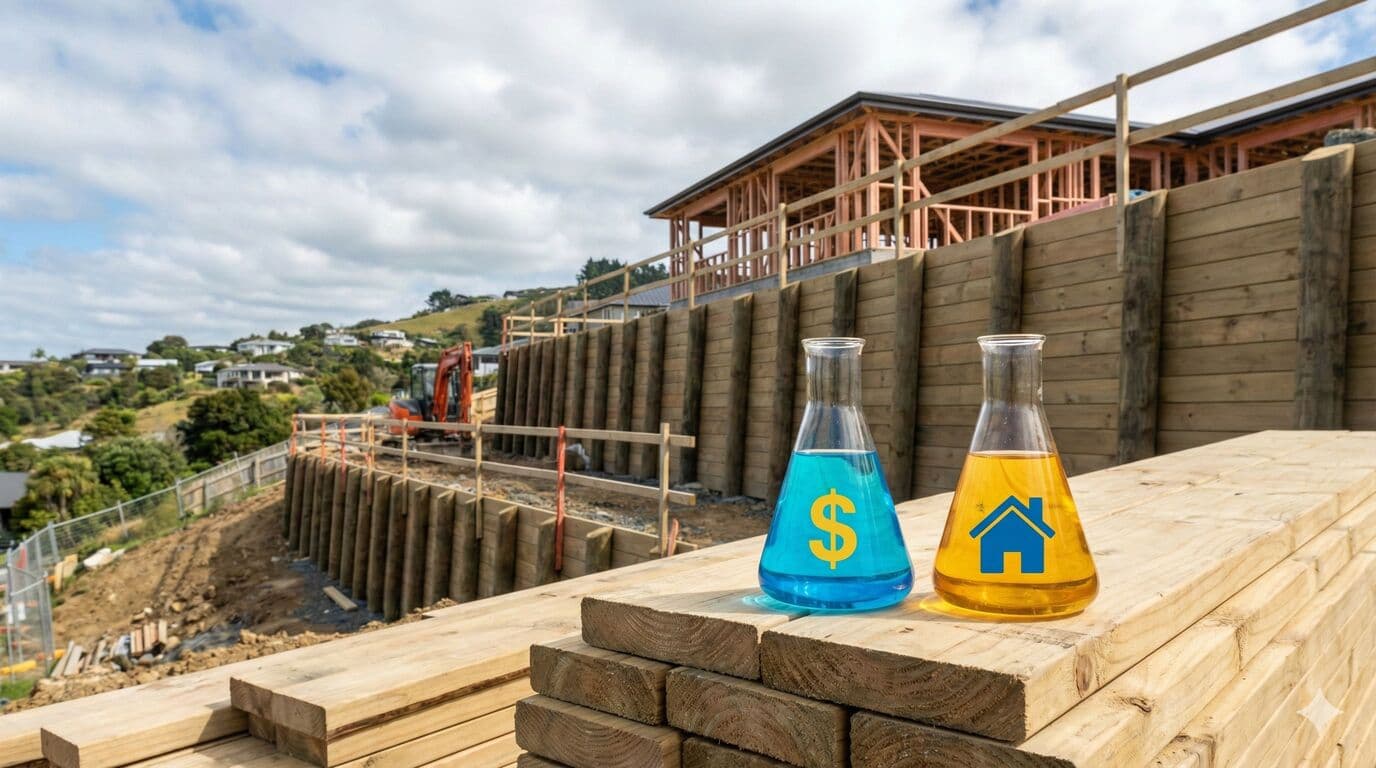
Retaining walls are the most significant cost on sloping sites. These structures hold back the earth to create level areas and prevent land movement. Depending on the height and length required, retaining walls can cost from $20,000 for modest requirements to $150,000 or more for complex sites.
Access creates additional challenges. Getting machinery, materials, and workers to the building site safely requires suitable access roads. Steep driveways need proper engineering and construction. Some sites require temporary access tracks during construction that add cost without becoming permanent features.
Types of Foundation Systems
Split-level designs work with the slope rather than against it. The house steps down the site in sections, reducing the amount of cut and fill required. This approach can reduce costs while creating interesting living spaces.
Pole or pile foundations lift the building above the slope. Structural poles driven into the ground support the floor platform. This system works well on steep sites and can be more economical than extensive excavation and retaining.
Concrete slab on a benched platform involves cutting into the hillside to create a flat area. Retaining walls hold back the cut face, and a standard concrete slab foundation goes on the prepared platform. This creates conventional construction on what was a sloping site.
Site Investigation Before Purchase
Geotechnical investigation reveals what lies beneath the surface. Soil conditions, rock depth, groundwater, and stability all affect construction costs. Spending $2,000 to $5,000 on investigation before purchase can prevent purchasing an unbuildable or prohibitively expensive site.
Past land use matters. Some slopes result from fill rather than natural ground. Fill can be unstable and unsuitable for building without expensive ground improvement. Historical aerial photographs may reveal previous earthworks.
Drainage patterns need assessment. Water flowing down slopes creates pressure against retaining walls and foundations. Proper drainage design prevents long-term problems but adds construction cost.
Cost Comparisons
A modest slope of 1 in 10 (rising one metre over ten metres) may add 10 to 20 percent to construction costs compared to a flat site. Foundation engineering becomes more complex, and some retaining is typically required.
Moderate slopes of 1 in 4 to 1 in 6 commonly add 30 to 50 percent to construction costs. Significant retaining walls are required, access becomes challenging, and engineering complexity increases substantially.
Steep sites with slopes of 1 in 3 or greater can double construction costs compared to flat sites. These projects require specialist engineering, complex access solutions, and extensive retaining. Only high-value views or unique locations typically justify these costs.
Consent Considerations
Sloping sites often require resource consent as well as building consent. Earthworks exceeding specified volumes trigger resource consent requirements. Retaining walls above certain heights need engineering certification.
Neighbours may have concerns about your earthworks affecting their properties. Slope stability, drainage changes, and visual impact can all generate objections that delay or complicate consent.
Council may require geotechnical reports before granting consent. These reports assess stability and recommend appropriate foundation and retaining solutions. The cost of these reports adds to your upfront expenses.
Design Opportunities
Despite the costs, slopes offer genuine advantages. Elevated sites capture views that flat sites cannot access. Privacy from neighbours is often better on sloping land. Basement garages and storage become practical options.
Good architects design with slopes rather than fighting them. Split-level living can create distinct zones within a home. Gardens at different levels add interest. Outdoor living areas can be sheltered from wind while capturing sun.
The right sloping site with thoughtful design produces homes that flat-site builds cannot match. The question is whether the additional costs are worthwhile for your specific situation and budget.
Making the Decision
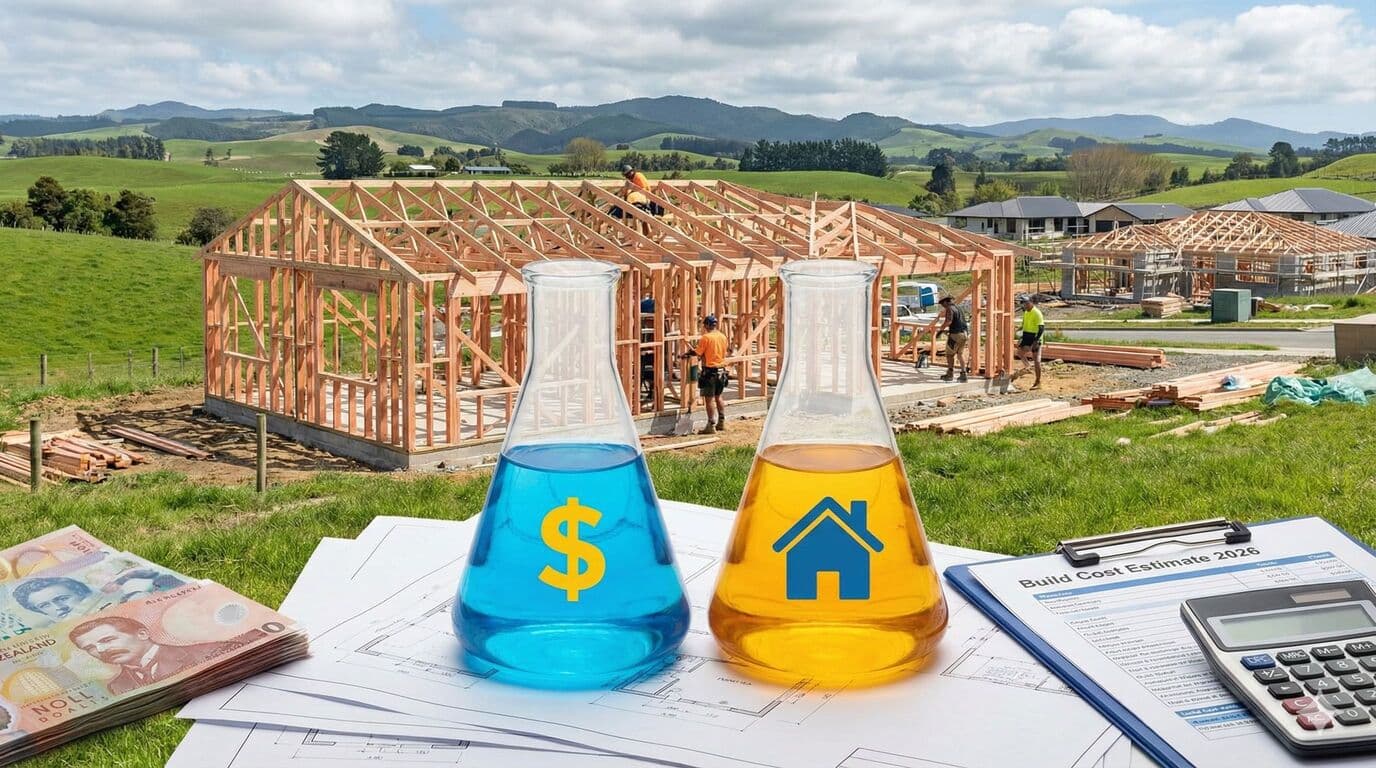
Calculate the true cost before purchasing. Land price plus construction premium plus retaining and access costs gives you the real figure to compare against alternatives.
Consider whether the slope's benefits justify the premium. Views, privacy, and character may be worth significant extra cost. A challenging slope without compelling benefits is simply an expensive way to build an ordinary house.
Get professional advice before committing. Architects, engineers, and experienced builders can assess sites and provide realistic cost guidance. Their fees before purchase are minor compared to discovering problems after you own the land.
Need Help With Your Mortgage?
Our expert advisers are here to guide you through every step of your mortgage journey. Get in touch for a free, no-obligation consultation.
Talk to an Adviser