Few new home builds come in exactly on budget. While some variation is normal, significant cost overruns can strain finances and sour the building experience. Understanding where budgets typically blow out helps you plan more realistically and take steps to avoid the most common pitfalls.
Why Budgets Blow Out
Cost overruns happen for several reasons.
Unrealistic initial budgets set projects up for disappointment. Builders or clients underestimate costs to make numbers work on paper. Reality catches up during construction.
Changes during the build add cost. Every variation from the original plans requires additional work, often at premium rates.
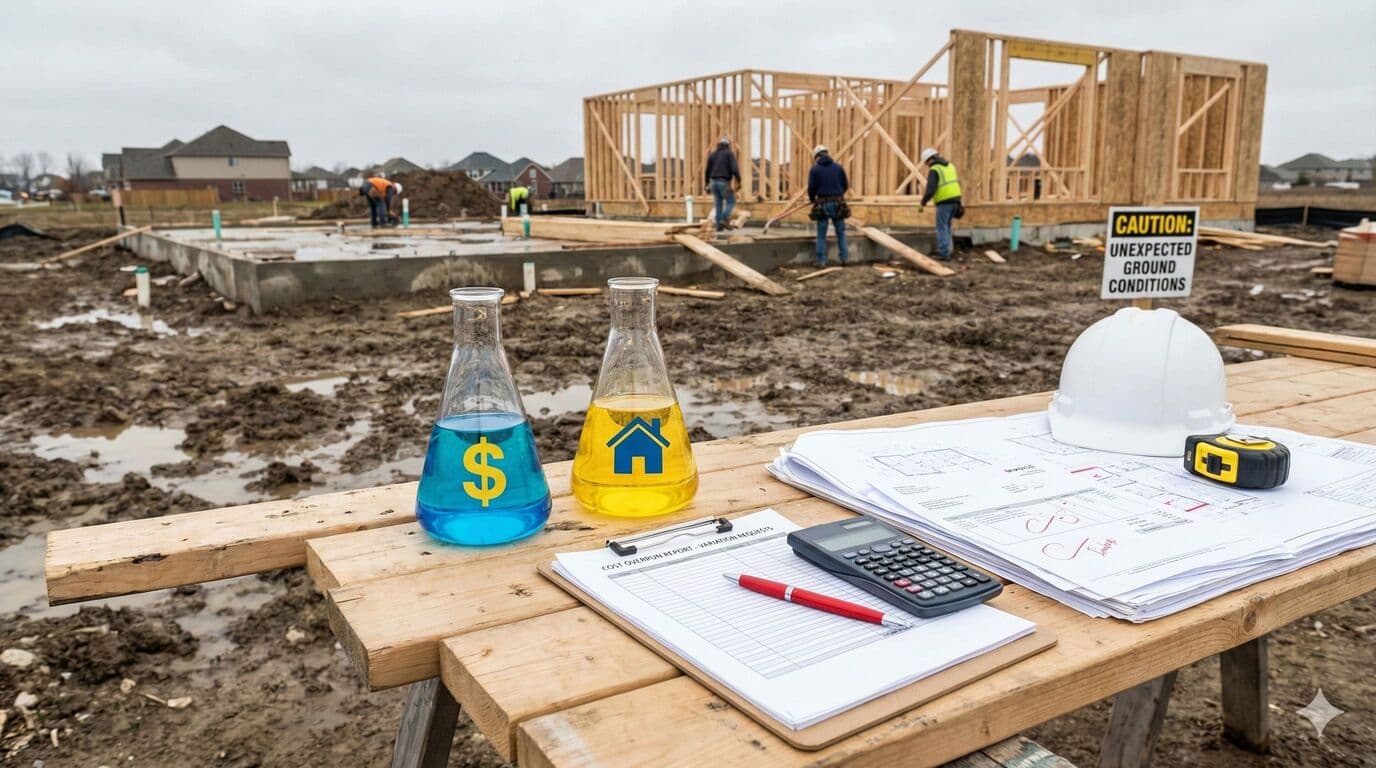
Unexpected site conditions reveal themselves only when work begins. Ground conditions, drainage issues, or existing services can add significant cost.
Material price increases during construction affect cost-plus contracts and can lead to variations even on fixed-price builds.
Scope creep gradually expands what the project includes beyond original plans.
The Most Common Cost Overruns
Understanding where money typically goes helps you budget appropriately and watch for problems.
Site Works and Foundations
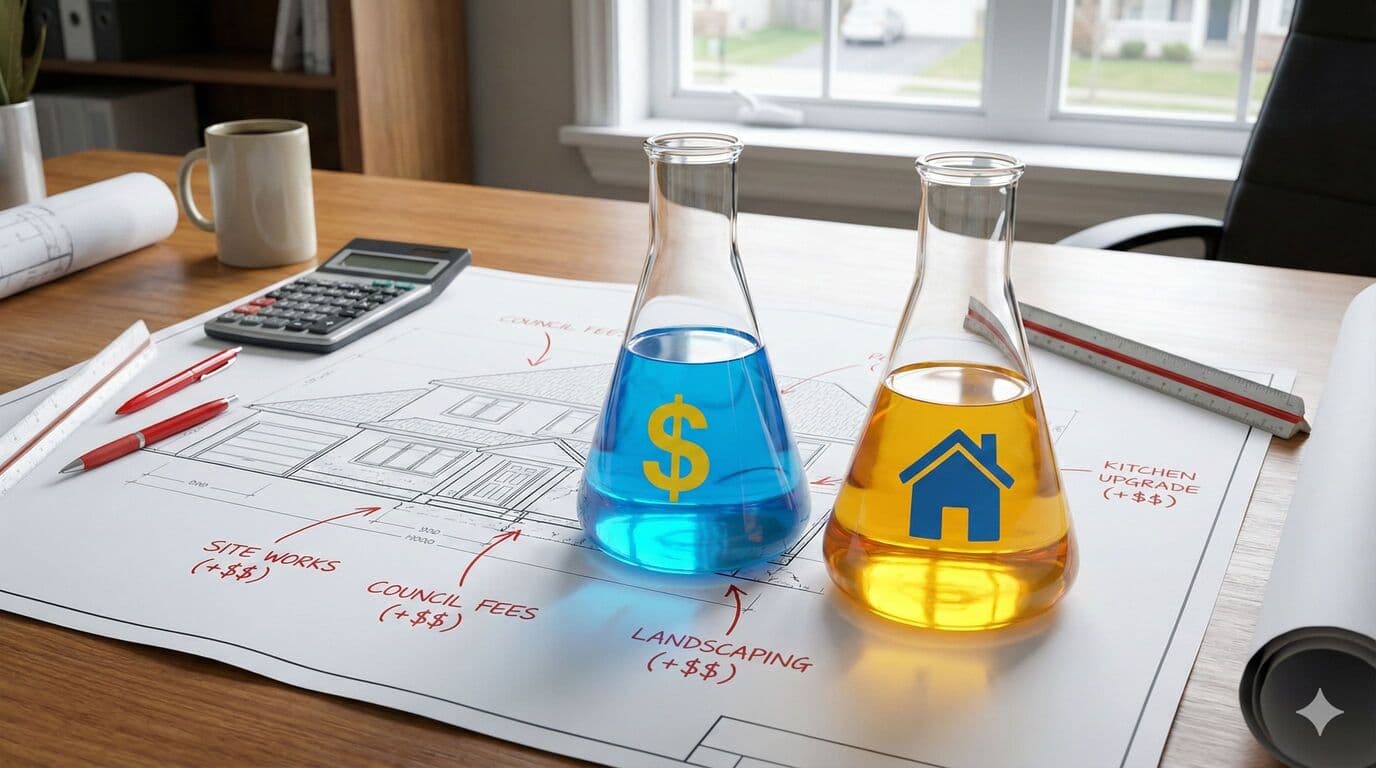
What lies beneath your section is often unknown until digging begins. Common surprises include unsuitable ground requiring deeper foundations or ground improvement, rock that needs breaking or removing, poor drainage requiring extensive systems, contaminated soil requiring removal, and existing services (pipes, cables) requiring relocation.
Site works can add $10,000-50,000 or more in unexpected costs. A geotechnical report before purchase or building helps identify potential issues.
Council Fees and Delays
Building consent and development contribution costs are often underestimated. Consent fees vary by council and project complexity. Development contributions for infrastructure can run to tens of thousands in some areas.
Delays during the consent process extend the overall timeline, potentially increasing holding costs and preliminary expenses. Resource consent requirements for some sites add time and cost.
Design Changes During Build
Clients often want changes once they see the build progressing. What seemed right on paper looks different in reality. Moving a wall, adding a window, or upgrading fixtures seems minor but adds cost.
Each change requires stopping work, potentially redesigning, pricing the variation, and then implementing it. This is less efficient than doing it right the first time. Cumulative changes of "just a few thousand here and there" can total tens of thousands.
Allowances That Do Not Cover Reality
Many contracts include "allowances" for items to be selected later, like kitchen appliances, bathroom fixtures, floor coverings, and lighting. These allowances may not reflect what clients actually want.
A $15,000 kitchen allowance sounds generous until you price the kitchen you actually want and it costs $30,000. Reviewing allowances carefully and adjusting them before signing avoids surprises.
Landscaping and External Works
Landscaping, driveways, fencing, and outdoor areas are sometimes left out of the main build contract or included as minimal allowances. These can easily cost $50,000-100,000 or more for a complete finish.
Retaining walls on sloping sections are particularly expensive. A wall that looks minor on plans might cost $20,000-40,000 once engineered and built.
Connecting Services
Getting power, water, and telecommunications connected involves more than flicking a switch. Trenching for services, upgrading power supply for larger homes, running fibre, and installing septic systems (for rural properties) all cost money.
These costs are sometimes excluded from build contracts or underestimated in budgets.
Delays and Holding Costs
Time is money in construction. Delays extend the period you pay rent elsewhere, service an interim construction loan, or wait to sell an existing property.
Weather delays, material shortages, subcontractor availability, and consent processing times all extend builds. A realistic timeline from the start prevents disappointment.
How to Protect Your Budget
Several strategies help control costs.
Build in Contingency
A contingency of 10-15% on top of your build budget provides a buffer for the unexpected. This is not permission to overspend but protection against genuine surprises.
If you do not need the contingency, you can redirect it to extras at the end or retain it. Not having contingency means any surprise becomes a crisis.
Get Detailed Quotes
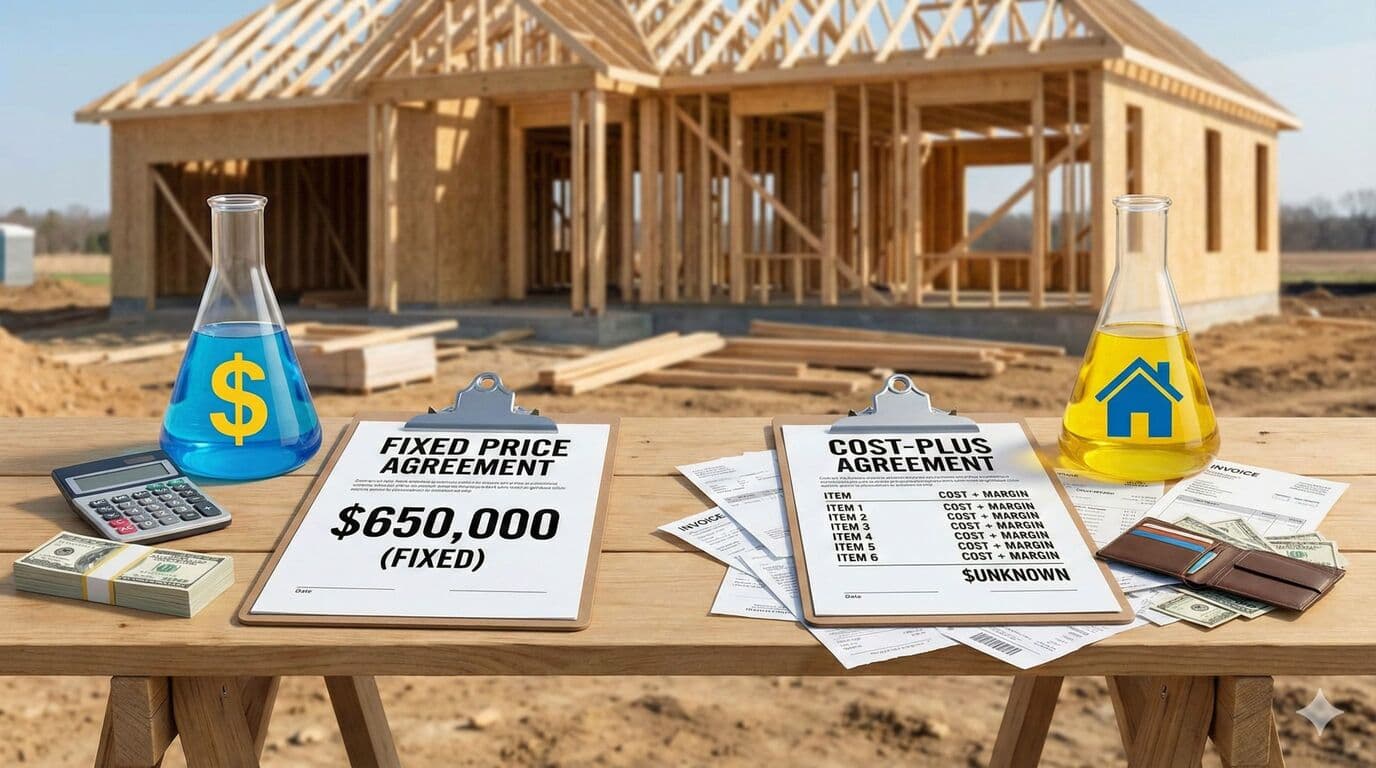
Detailed fixed-price contracts with comprehensive inclusions reduce variation potential. Question any vague allowances or "to be confirmed" items. Know exactly what is included before signing.
Lock in Selections Early
Choose your fixtures, finishes, and fittings before the build starts where possible. This prevents the upgrade temptation once construction begins and ensures allowances match reality.
Minimise Changes
Every change costs money and time. Think carefully during design about what you actually want. Visit display homes and other builds to confirm your preferences.
Once construction starts, treat the plans as fixed unless something genuinely does not work. "Nice to have" changes are rarely worth the cost and delay.
Understand Your Site
A geotechnical investigation before buying or building reveals ground conditions that might cause problems. It costs a few thousand dollars but can prevent much larger surprises.
Check council requirements for the site, including development contributions, resource consent needs, and any special conditions.
Monitor Progress
Stay involved during the build. Regular site visits (coordinated with your builder) help you spot potential issues early and understand what is happening.
Review variation requests carefully. Understand why each variation is necessary and what alternatives exist.
Read the Contract
Understand what is included, what is excluded, and how variations are handled. Know the process for changes and who bears costs for different types of unexpected events.
When Fixed Price Is Not Fixed
Even fixed-price contracts have exceptions. Common variations allowed under most contracts include changes you request, unexpected ground conditions beyond what could reasonably be anticipated, asbestos or contamination discovery, council-required changes after consent, and material substitutions due to availability.
Understand these exceptions and budget contingency for them. A "fixed price" contract is more fixed than cost-plus, but rarely absolutely fixed.
Working with Your Builder
Open communication helps manage costs.
Establish clear expectations about variations. How are they priced? How quickly must you approve them? What is the escalation process for disagreements?
Ask your builder to flag potential cost issues early. A good builder will warn you about developing problems before they become expensive crises.
Review the budget regularly throughout the build. Many builders provide progress updates showing spend against budget.
Eyes Open, Budget Realistic
Cost overruns are common but not inevitable. Realistic budgeting with contingency, detailed contracts, early selection of finishes, minimal changes, and good site investigation all reduce risk.
Go in with eyes open. Building a home costs more than many people expect. Understanding where the money goes helps you make informed decisions and avoid unpleasant surprises.
Need Help With Your Mortgage?
Our expert advisers are here to guide you through every step of your mortgage journey. Get in touch for a free, no-obligation consultation.
Talk to an Adviser