Building a home is one of the biggest financial commitments you'll make, and the type of contract you sign with your builder can significantly impact your final costs. In New Zealand, there are two main contract structures: fixed-price contracts and cost-plus (charge-up) contracts. Understanding the differences is crucial before you sign anything.
Fixed Price Contracts
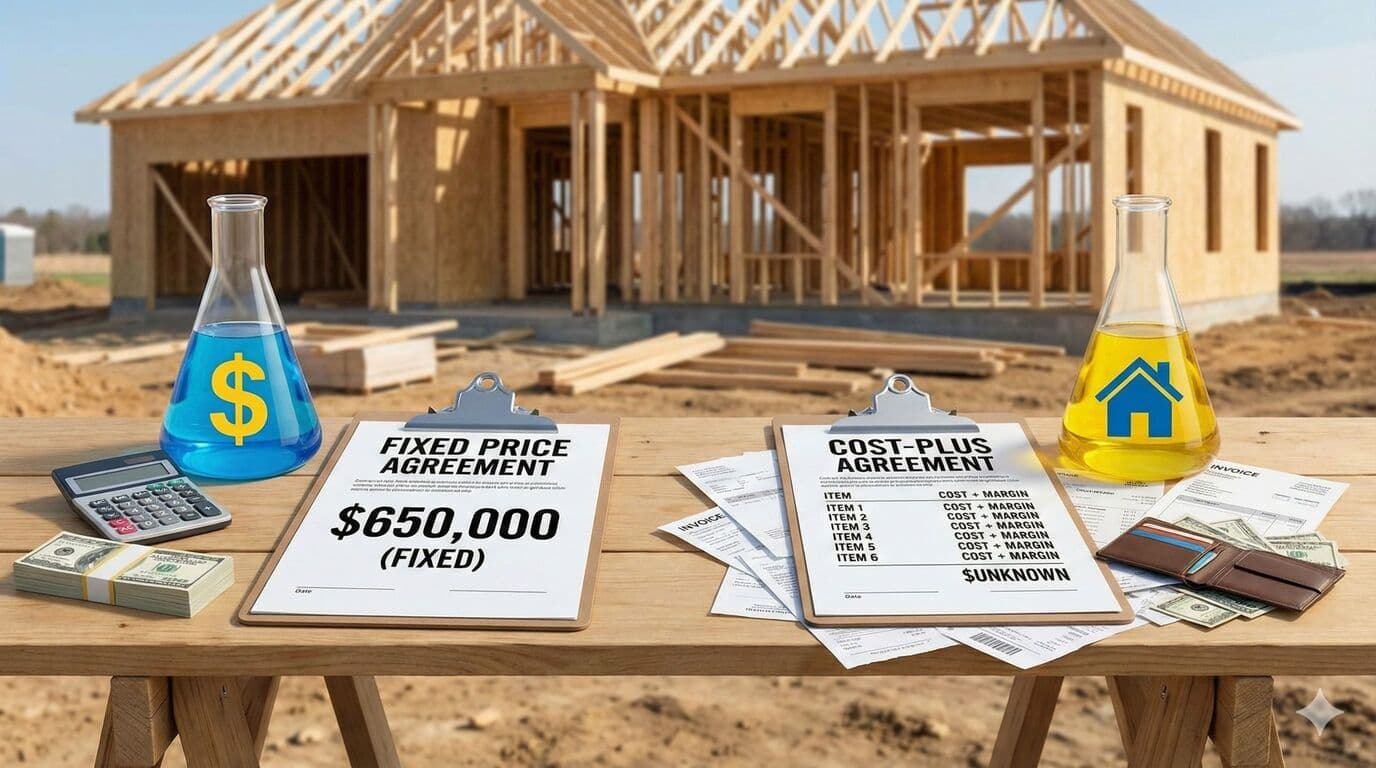
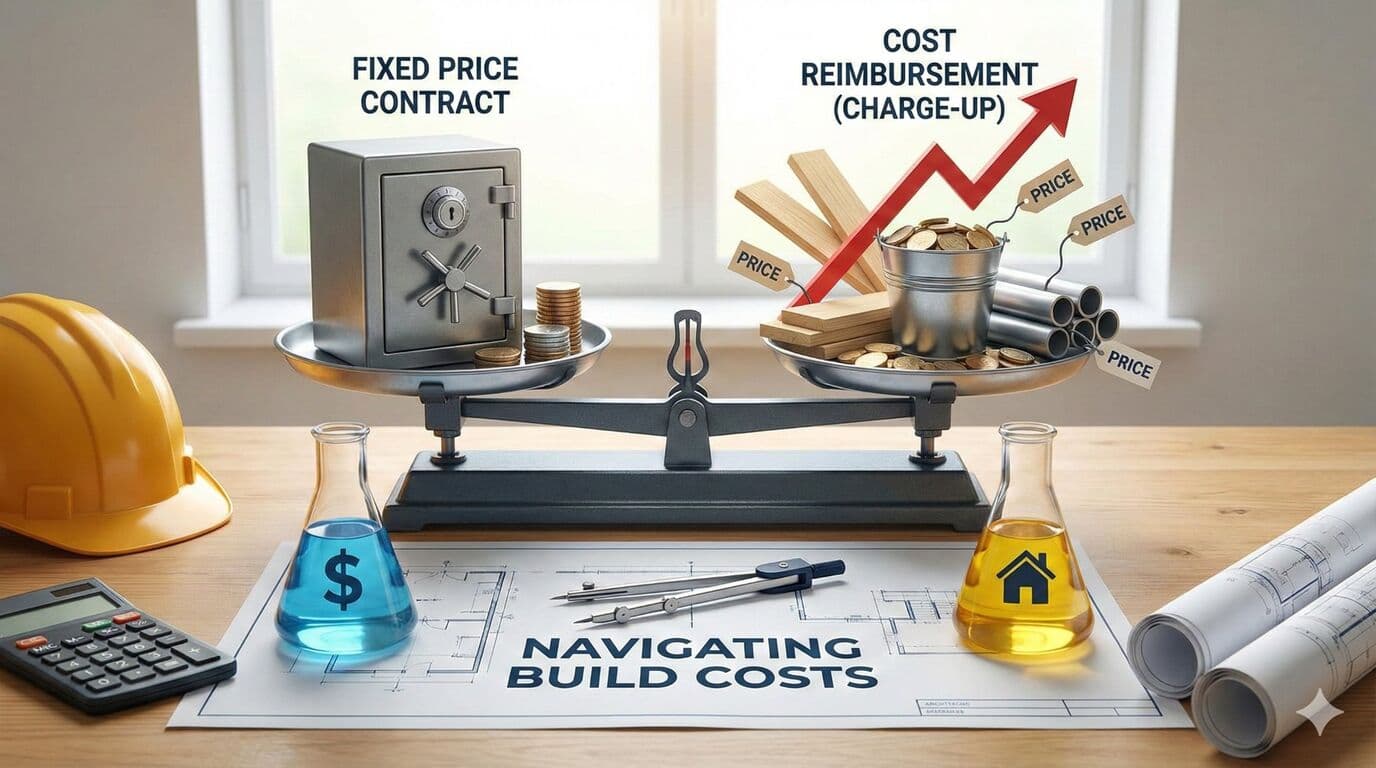
With a fixed-price contract, the builder agrees to complete your home for a specified total price. This is the most common choice for new builds because it provides financial certainty - you know exactly what your home will cost before construction begins.
Fixed-price contracts offer several advantages. You get budget certainty since you know the total cost upfront, making mortgage applications straightforward. The builder carries the risk, so if material prices increase or the project takes longer than planned within the original scope, the builder absorbs those extra costs. Banks prefer fixed-price contracts because they can clearly assess project costs for loan approval. Both parties know exactly what's included, creating clear expectations.
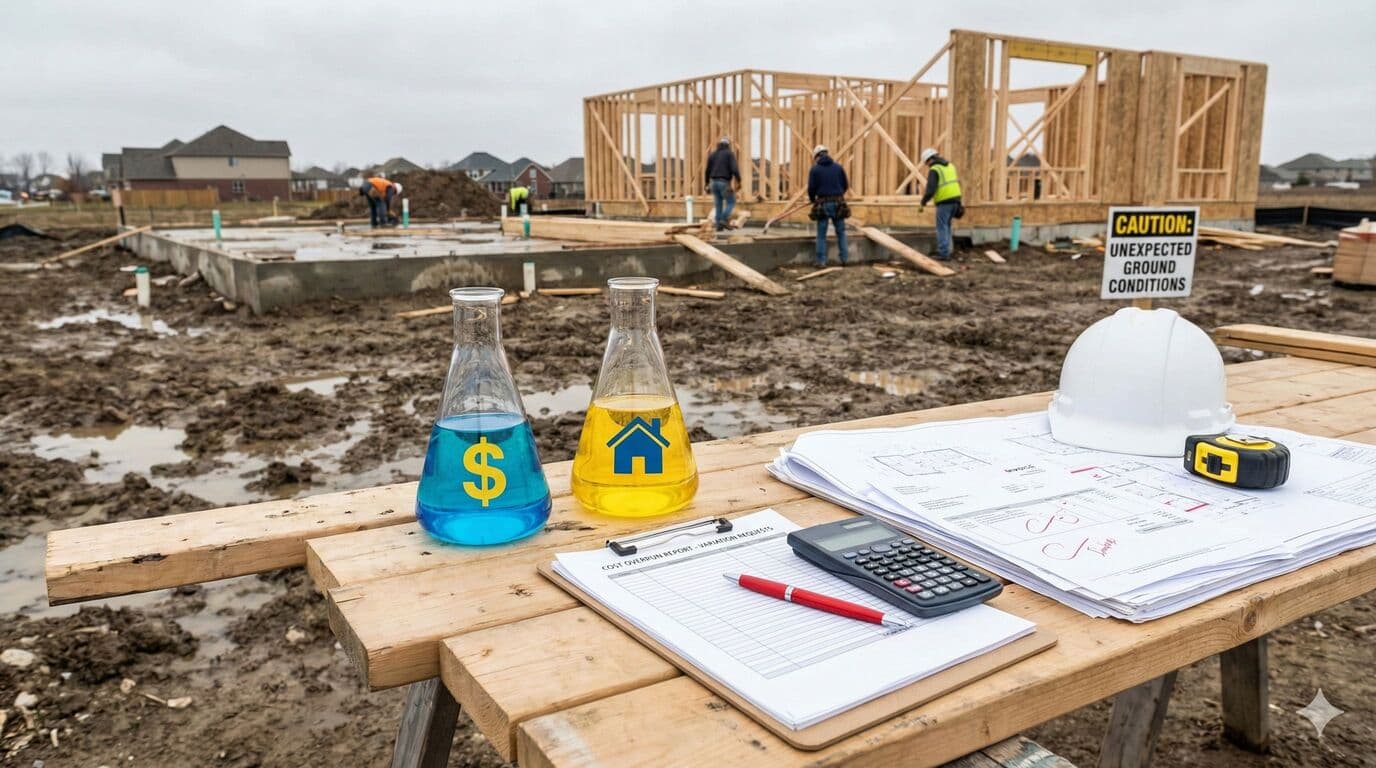
However, there are disadvantages to consider. Changes after signing, known as variations, can be costly and time-consuming. Builders factor in risk contingencies, which may make the initial quote higher. Unexpected problems like difficult ground conditions or council requirement changes can still trigger variation costs.
Cost-Plus (Charge-Up) Contracts
A charge-up contract means you pay the actual costs incurred by the builder, including labour, materials, and other expenses, plus an agreed margin (usually 10-20%) for their profit and overhead.
Cost-plus contracts offer maximum flexibility since it's easy to make changes as the build progresses. You get transparency because you see exactly what everything costs. If everything goes smoothly, you may pay less than a fixed-price quote. This approach works well for renovations when the full scope isn't clear upfront.
The disadvantages are significant though. There's no cost certainty as the final price can increase significantly as the project progresses. You carry the risk, so if materials cost more or the project takes longer, you pay the difference. Banks may be reluctant to approve loans without a clear final cost. This approach requires close monitoring with weekly reporting and tight controls to avoid blowouts.
Understanding PC Sums
PC Sums (Provisional and Prime Cost Sums) are placeholders within fixed-price contracts for work or materials not yet fully defined. Common examples include kitchen appliances, bathroom fixtures, and landscaping.
When you see a PC Sum in your contract, understand that this is an estimate. If the actual cost is higher than the allowance, you'll pay the difference. If it's lower, you'll receive a credit. Before signing, ask your builder what's included in each PC Sum and whether the allowances are realistic for the quality you expect.
Cost Fluctuation Clauses
Some fixed-price contracts include "rise and fall" or cost fluctuation clauses that allow the price to be adjusted if material or labour costs change significantly during the build. These became more common during the supply chain disruptions of 2021-2023.
If your contract includes such a clause, ensure you understand what triggers a price adjustment, how increases are calculated and documented, and whether there's a cap on potential increases.
Which Contract Is Right for You?
A fixed-price contract is typically the better choice if you want budget certainty and don't plan significant changes, you're building a new home with a clear design, you prefer the builder to manage cost risk, or your bank requires it for financing.
A cost-plus contract may suit you better if you're doing a renovation where the full scope isn't clear, you want maximum flexibility to make changes, you're willing to monitor the build closely, or you have contingency budget for potential overruns.
Protecting Yourself
Regardless of which contract you choose, get everything in writing since verbal agreements aren't enforceable. Understand the payment schedule and don't pay too far ahead of completed work. Know the variation process, including how changes are requested, approved, and priced. Check the dispute resolution clause to understand what happens if things go wrong. Review PC Sums carefully to ensure the allowances are realistic.
Under the Construction Contracts Act 2002, all building contracts must include clear payment schedules and dispute resolution mechanisms.
Read Before You Sign
Your contract choice should match your risk tolerance and the nature of your project. Fixed-price contracts reduce surprises; cost-plus contracts require tight controls and regular reporting. Whichever you choose, take time to understand every clause before you sign.
Need Help With Your Mortgage?
Our expert advisers are here to guide you through every step of your mortgage journey. Get in touch for a free, no-obligation consultation.
Talk to an Adviser