The contract you sign with your builder fundamentally shapes your construction experience. Fixed price and cost-plus contracts represent two distinct approaches with different risk allocations, cost certainties, and management requirements. Understanding these differences before signing protects your interests.
Most residential builds in New Zealand use fixed price contracts. However, cost-plus arrangements suit certain situations, and understanding when each applies helps you make informed decisions.
Fixed Price Contracts
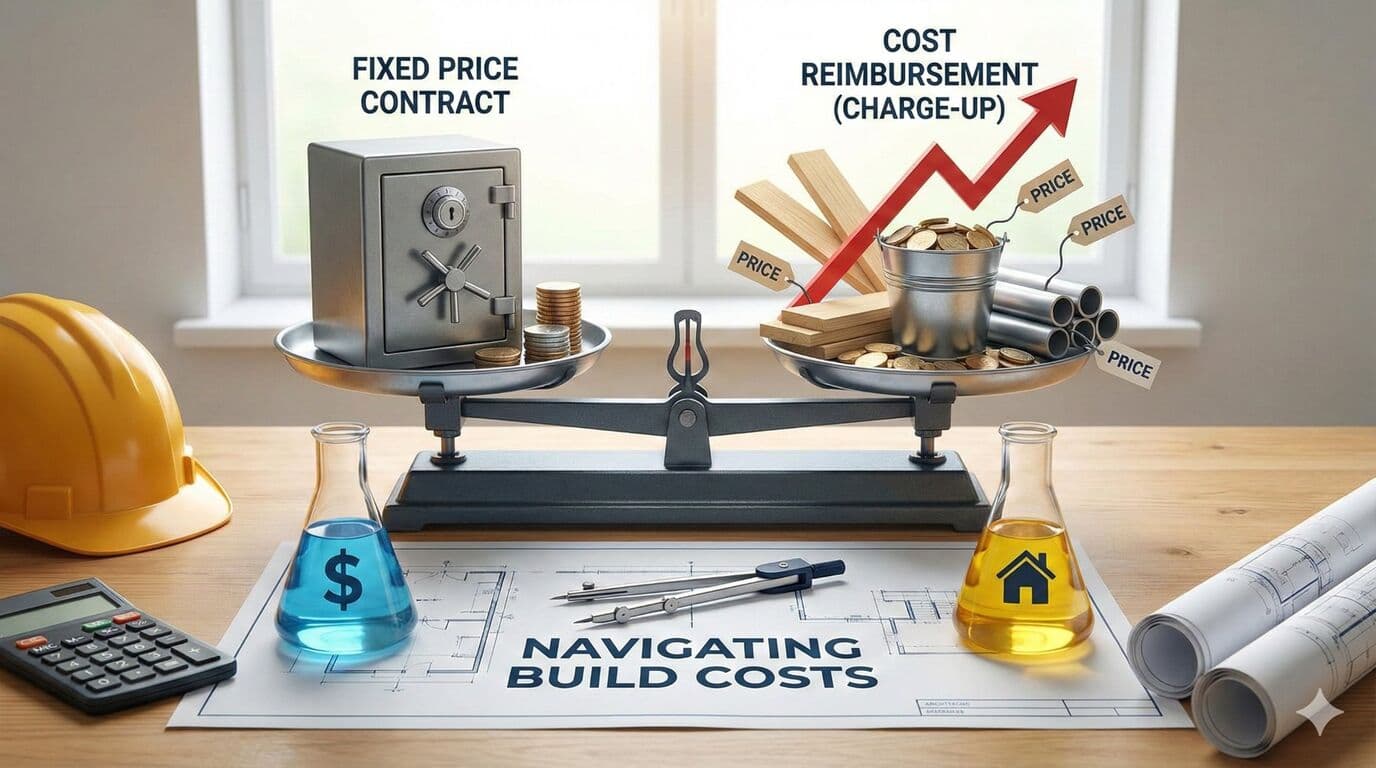
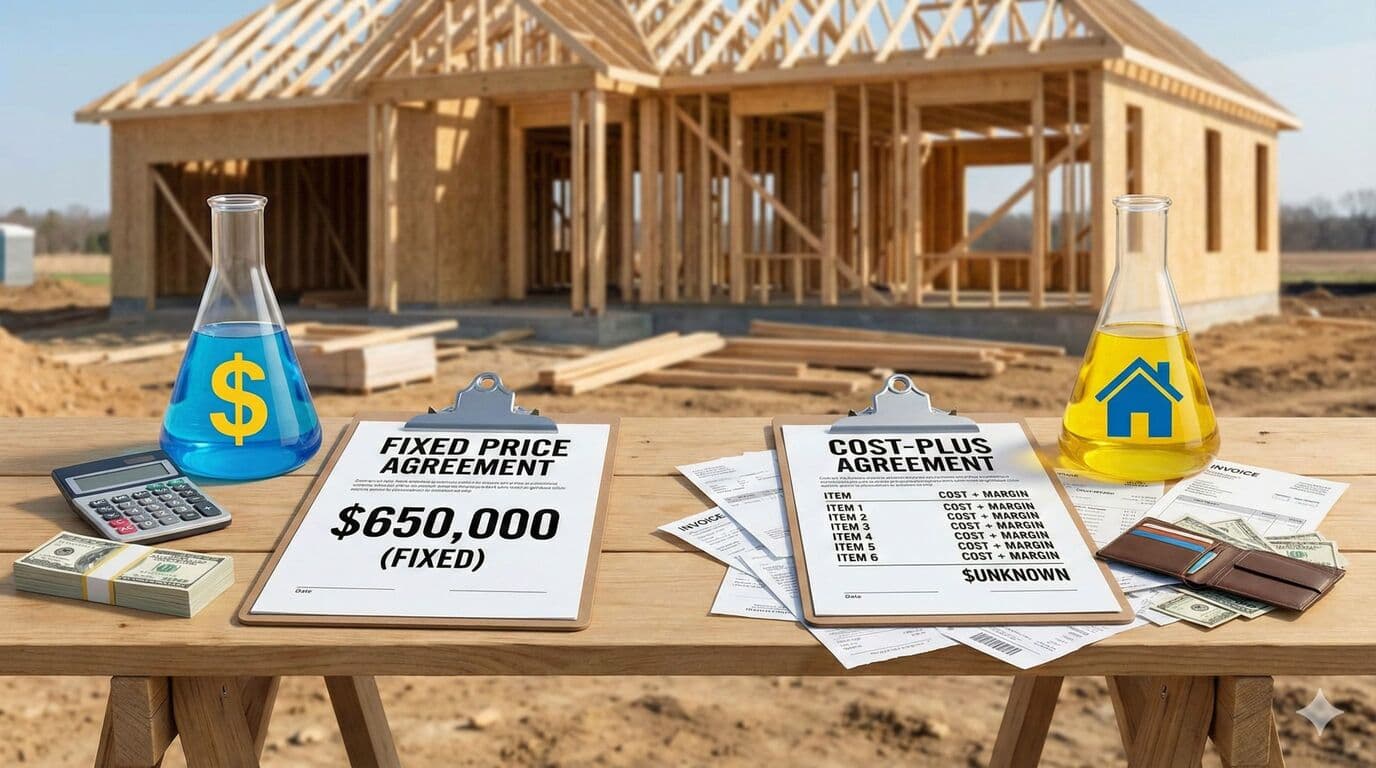
Fixed price contracts specify the total cost for defined work. The builder commits to completing the specified work for the agreed price regardless of their actual costs. If their costs exceed their quote, they absorb the loss.
This arrangement provides certainty for buyers. You know your construction cost before starting, which helps with budgeting and finance arrangements. Banks lending for construction appreciate the predictability of fixed price contracts.
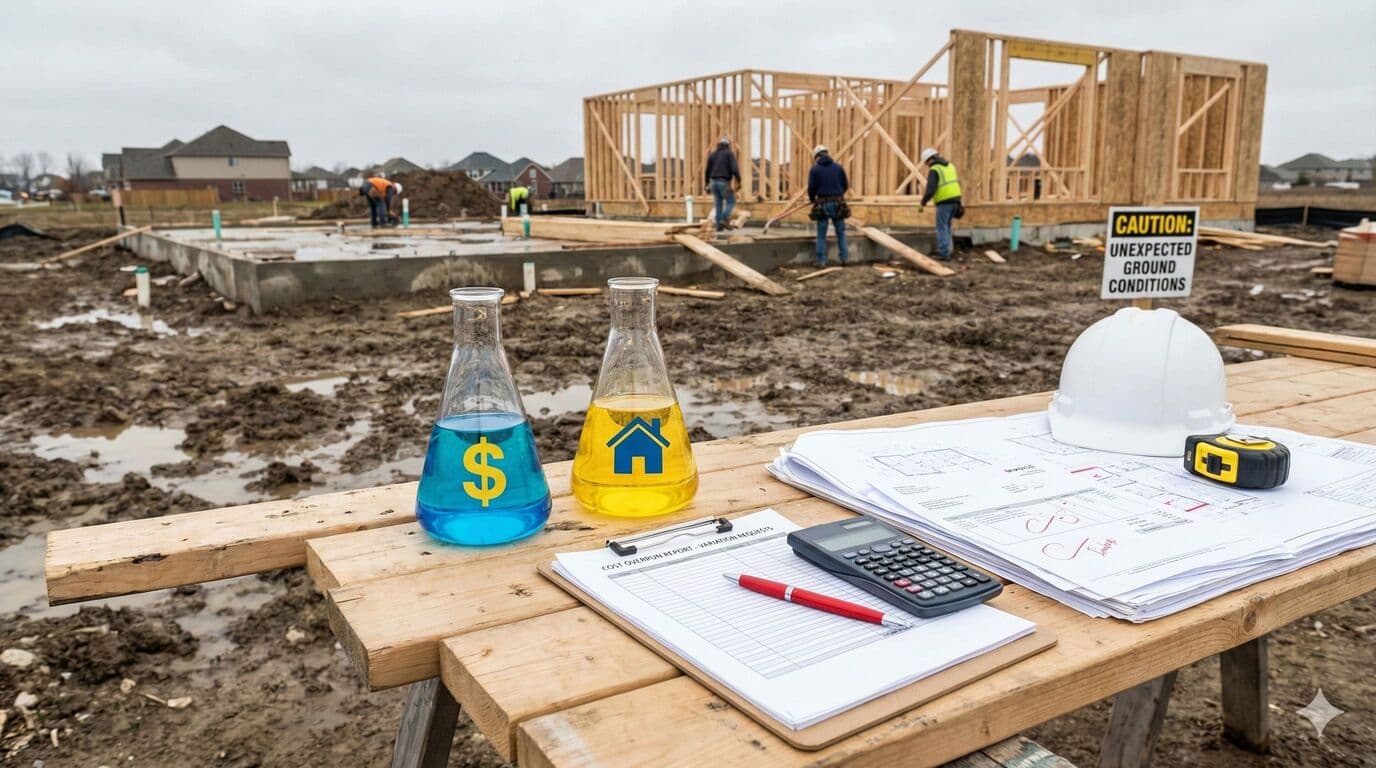
However, fixed price is not entirely fixed. Contracts include provisions for variations when circumstances change. Ground conditions worse than expected, changes you request, or council requirements not known at signing can all trigger additional costs.
Builders price fixed contracts to include contingency for unknowns. This margin compensates them for taking on risk. In theory, you pay slightly more than actual costs would be, but in exchange you avoid the risk of substantial overruns.
Cost-Plus Contracts
Cost-plus contracts charge actual costs plus an agreed margin. You pay for materials at cost, labour at actual rates, and subcontractors at their invoiced prices. The builder adds a percentage margin covering their overhead and profit.
This arrangement provides transparency about where money goes. You can see exactly what each component costs. Some clients find this visibility reassuring, and it enables more flexibility in specifications during construction.
The obvious disadvantage is uncertainty about final cost. Your budget depends on how efficiently the builder works, how accurately they estimated, and whether any complications arise. Final costs may substantially exceed initial estimates.
Cost-plus suits complex or unusual projects where accurate fixed pricing is difficult. Heritage restorations, heavily modified existing buildings, and projects with uncertain scope may be genuinely impossible to price accurately upfront.
Comparing the Two Approaches
Risk allocation differs fundamentally. Fixed price contracts place construction cost risk on the builder. Cost-plus contracts place that risk on you. Neither is inherently better; the appropriate choice depends on your situation.
Incentives also differ. Under fixed price, builders benefit from efficiency because they keep savings against their quoted price. Under cost-plus, efficiency does not benefit the builder directly, though good builders maintain their reputation through efficient delivery.
Your involvement varies between approaches. Fixed price requires less monitoring because your cost is determined upfront. Cost-plus requires closer attention to costs, progress, and efficiency throughout construction.
Understanding Fixed Price Exclusions
Genuine fixed price for everything is rare. Contracts typically fix the building cost while excluding or using allowances for other items.
Site works often fall outside fixed price. Ground conditions, services connections, and retaining walls may be estimated rather than fixed. If conditions differ from assumptions, costs change.
Selections within allowances affect final price. A $5,000 kitchen allowance covers basic specifications. Upgrading to quality appliances and stone benchtops requires paying the difference between your actual selections and the allowance.
Council fees and development contributions are typically excluded or estimated. These costs are outside the builder's control and vary between projects.
Protecting Yourself
Regardless of contract type, clear documentation protects both parties. Plans and specifications should be detailed enough that any competent builder would understand exactly what is included.
Get variations in writing before work proceeds. Changes during construction are expensive partly because they are often poorly documented. Written agreement on scope and cost prevents disputes.
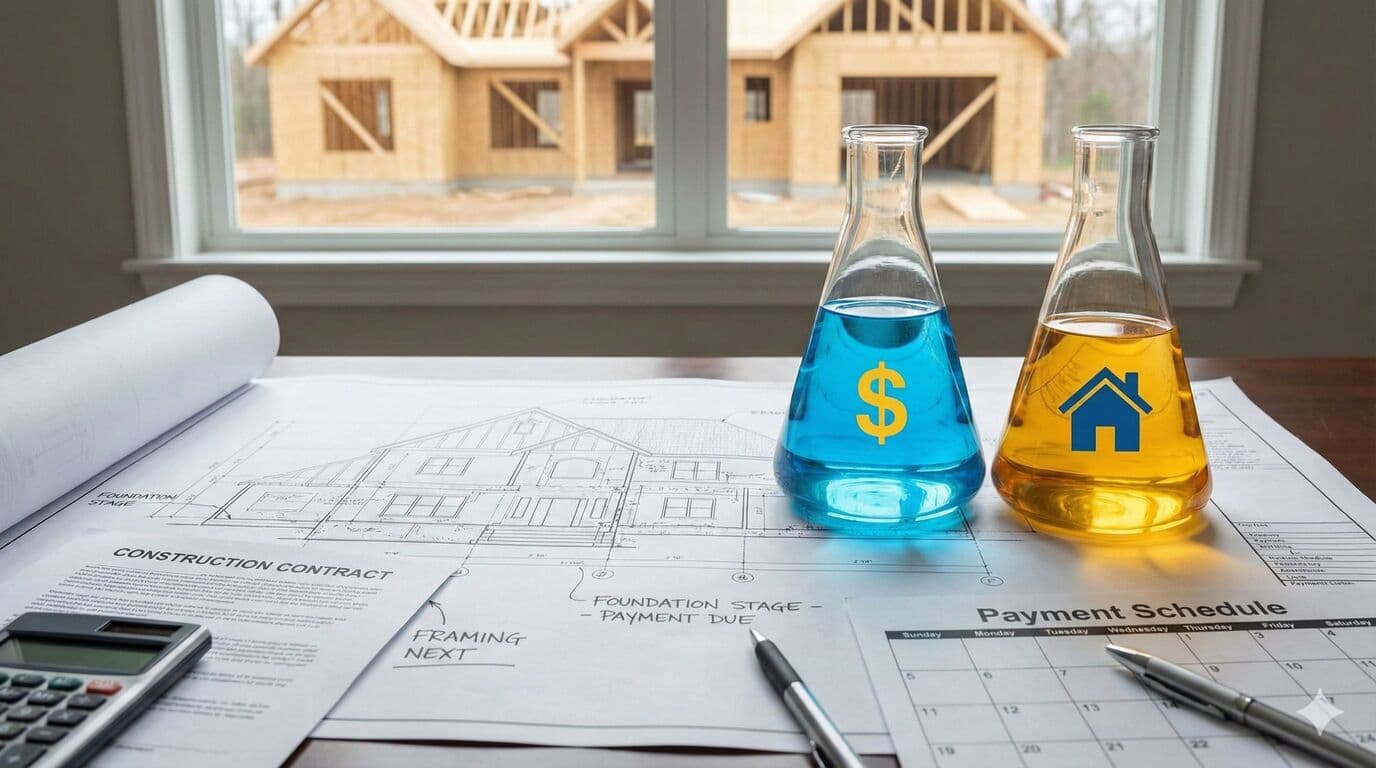
Payment should align with completed work. Fixed price contracts typically specify progress payments at defined stages. Paying ahead of completed work creates risk if the builder fails to complete.
Review contracts before signing. Building contracts are substantial documents with significant legal implications. Having a lawyer review the contract before you sign costs modest fees and provides genuine protection.
Which Should You Choose
For most new residential builds, fixed price contracts provide appropriate certainty and protection. The slight premium you pay for fixed pricing is worthwhile insurance against overruns.
Cost-plus may suit renovation projects where existing conditions create genuine uncertainty. It may also suit clients who want maximum control over specifications during construction and accept the cost uncertainty that accompanies that flexibility.
Your mortgage arrangement may constrain choices. Banks lending for construction generally prefer fixed price contracts because final costs are predictable. Cost-plus arrangements may complicate finance approval.
Whatever contract type you choose, understanding what you are signing and ensuring clear documentation of scope and costs protects your interests throughout the construction process.
Need Help With Your Mortgage?
Our expert advisers are here to guide you through every step of your mortgage journey. Get in touch for a free, no-obligation consultation.
Talk to an Adviser