Back to Blog

Apartments: The Low-Down On High Rises

11 January 20257 min readBy Jarrod Kirkland
Apartments: The Low-Down On High Rises

Key Takeaways

  • 1Apartments under 50sqm face greater financing difficulties with most banks.
  • 2Leasehold apartments carry significant risk-ground rent can increase dramatically, as seen with Auckland buildings where rent jumped from $1,200 to $8,000 per annum.
  • 3Company-share apartments often prohibit rental tenancies, limiting your buyer pool to owner-occupiers.
  • 4Banks resist lending above 80% on apartments due to resale difficulties during mortgagee sales.

Thinking about buying an apartment? Here's everything you need to know about size requirements, ownership types, and financing.

What size do apartments need to be for a mortgage?

Most banks prefer apartments to be at least 50sqm for borrowing up to 80%. Two banks allow as low as 40sqm, with one bank including balcony space in calculations. Properties under 50sqm face greater financing difficulties.

What is a freehold apartment?

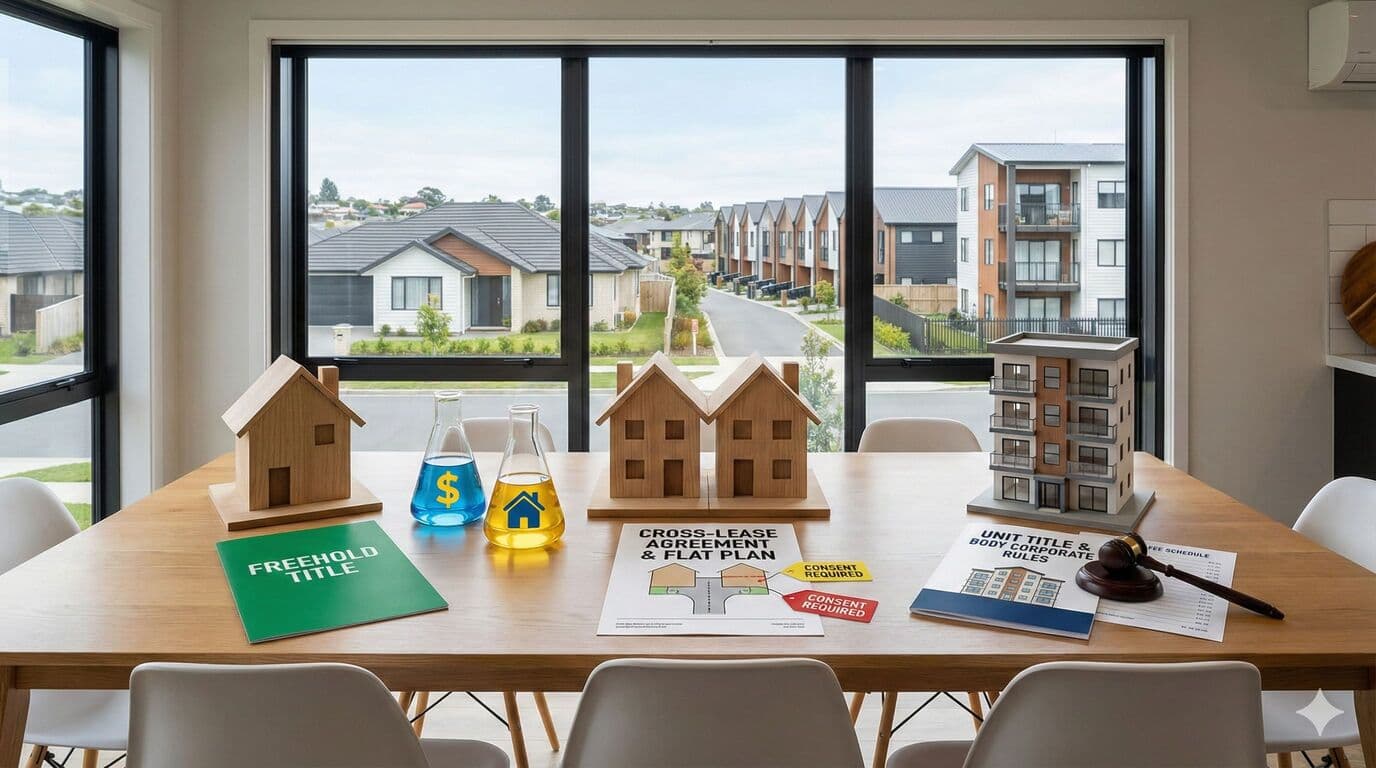
In freehold ownership, residents own individual units while collectively owning the underlying land. The main costs for freehold units are rates and body corporate fees.

What is a leasehold apartment?

Leasehold purchases include the unit but not the land, requiring ground rent payments. A cautionary example: Auckland's Scene Three apartment building went from $1,200 per annum to $8,000 in 2012. Costs comprise rates, body corporate fees, and ground rent.

Getting a mortgage on a leasehold apartment

Banks typically require mortgages to be repaid before lease renewal, protecting themselves from potential rent increases. A 7-year lease renewal allows maximum 7-year mortgage terms, complicating cash flow positivity.

What is a company-share apartment?

Ownership involves purchasing shares in the property-owning company proportional to unit value. Restrictions often prohibit rental tenancies, limiting the buyer pool to owner-occupiers.

Getting a mortgage on a company-share apartment

Lenders permit up to 75% borrowing, though most mainstream banks lend 65%-70%.

What is a dual-key apartment?

These single-title units feature two separate entrances and layouts functioning as two apartments. They offer improved cash flow but face mortgage challenges, with banks sometimes requiring 40% deposits due to limited buyer appeal.

Body corporate

These fees maintain building exteriors and insurance-expenses residents would otherwise manage privately.

Are there LVR restrictions on apartments?

Banks resist lending above 80% on apartments due to resale difficulties during mortgagee sales.

Do you need to have a car park?

Banks don't require car parks or consider them in borrowing calculations, though they enhance buyer appeal.

Is higher up better?

Upper-level apartments command premiums due to reduced street noise, better views, and increased sunlight. Investment decisions depend on whether rental increases justify premium costs.

3 good reasons to buy an apartment

No DIY: Body corporates manage exterior maintenance and common areas.

Extra security: Multiple entry points, keypad lifts, and nearby neighbors provide superior security compared to houses.

Insulation/heat: Smaller units with concrete inter-floor insulation typically cost less to heat than houses.

2 reasons to avoid buying an apartment

High-density living: Neighbor noise disruption requires assessing soundproofing quality before purchase.

Less space: Apartments generally offer reduced square footage compared to houses, requiring lifestyle adjustment.

Is an Apartment Right for You?

Prospective buyers should consult mortgage advisers for personalized assessments of apartment financing viability.

Need Help With Your Mortgage?

Our expert advisers are here to guide you through every step of your mortgage journey. Get in touch for a free, no-obligation consultation.

Talk to an Adviser

Frequently Asked Questions

What size does an apartment need to be for a mortgage?

Most banks prefer apartments to be at least 50sqm for borrowing up to 80% [LVR](/blog/what-does-lvr-mean). Two banks allow as low as 40sqm, with one bank including balcony space in calculations. Properties under 50sqm face greater financing difficulties and may require larger deposits.

What is the difference between freehold and leasehold apartments?

Freehold ownership means residents own individual units and collectively own the underlying land, paying rates and body corporate fees. Leasehold means you own the unit but not the land, requiring ground rent payments that can increase dramatically. A cautionary example: Auckland Scene Three apartments went from $1,200 to $8,000 per annum ground rent in 2012.

Can I get a mortgage on a leasehold apartment?

Yes, but banks typically require mortgages to be repaid before lease renewal, protecting themselves from potential rent increases. For example, a 7-year lease renewal would mean a maximum 7-year mortgage term, which can significantly increase repayments and complicate cash flow.

What is a dual-key apartment?

These are single-title units with two separate entrances and layouts functioning as two apartments. They offer improved cash flow potential but face mortgage challenges, with banks sometimes requiring 40% deposits due to limited buyer appeal and concerns about resale value.

What is a company-share apartment and can I rent it out?

Company-share ownership means purchasing shares in the property-owning company proportional to unit value rather than owning the unit directly. Restrictions often prohibit rental tenancies, limiting your buyer pool to owner-occupiers. Lenders typically permit only up to 65-75% borrowing for company-share apartments.

Do I need a car park to get a mortgage on an apartment?

Banks do not require car parks or consider them in borrowing calculations. However, car parks can enhance buyer appeal when you come to sell, particularly in areas with limited street parking.

Why do banks resist lending above 80% on apartments?

Banks are cautious about apartments because they can face resale difficulties during mortgagee sales. Apartments often have a smaller buyer pool than houses, and market downturns can affect unit values more dramatically. Check [how much deposit you need](/blog/how-much-deposit-do-you-need-to-buy-your-first-home) for your specific situation.

What are body corporate fees and what do they cover?

Body corporate fees maintain building exteriors, common areas, and building insurance - expenses you would otherwise manage privately if you owned a house. These fees vary widely depending on the building age, amenities, and maintenance requirements. Always review body corporate minutes before purchasing.

Disclaimer

The information on this website is for general guidance only and does not constitute financial or investment advice. Always do your own research and seek personalised advice from a qualified financial adviser or mortgage adviser before making financial decisions. All investments carry risk and past performance is not indicative of future results.

Get the Mortgage Lab App

Access all our articles, calculators and tools on the go. Free on the App Store.

Download on the
App Store

Find an Adviser Near You

We can process your mortgage from anywhere in New Zealand using video meetings. If you don't live in one of these areas, simply choose any region to find an adviser.