Investment Property
Property investment in New Zealand: deposits, lending rules, yields, and financing strategies for building a rental portfolio.
Articles in this topic

What Does LVR Mean?
When applying for a mortgage, borrowers frequently encounter the term LVR (Loan-to-Value Ratio). This metric represents what percentage of the property's value is being borrowed.

Debt to Income Ratios: What Are They and How Are They Measured?
DTI restrictions are now a key part of New Zealand's mortgage lending landscape, with rules in effect since 1 July 2024. These aim to manage financial stability and the level of household debt.

The Bright-Line Test Explained: Property Tax Rules for NZ Investors
The bright-line test is now generally a 2-year test for residential property sold on or after 1 July 2024. Here is what NZ investors need to know before selling.

Negative Gearing After the Interest Deductibility Changes: Does It Still Work?
Interest deductibility is fully restored from 1 April 2025, but negative gearing still needs careful cashflow, lending, and tax planning.

Can I Buy an Investment Property in NZ? What You Need to Know
A current 2026 guide to investment property lending in NZ, including investor LVR, DTI, rental income, home equity, and tax considerations.

How to Achieve Cashflow Positive Rental Property in NZ
Cashflow positive property depends on yield, interest rates, tax, deposit size, and realistic costs. Here is how NZ investors can test the numbers.

Company vs Trust vs LTC: Choosing the Right Structure for Investment Property
A practical 2026 guide to holding NZ investment property personally, in a company, trust, or LTC, with current tax-rate and structure warnings.

The Revolving Credit Trap
Revolving credit can be useful for homeowners and investors, but investment lending can create tax deductibility complications if the facility is not treated properly.

Property Investment for Retirement Income
How rental property can provide income in retirement-and the risks and responsibilities involved.

What to Expect from Your Property Manager: Setting the Right Expectations
Hired a property manager? Here is what you should expect from the relationship and how to get the most from their service.

Questions to Ask Before Hiring a Property Manager
Not all property managers are created equal. Here are the key questions to ask when vetting property management companies for your rental.

Cross-Lease vs Freehold vs Unit Title: What Property Investors Need to Know
The type of title on a property affects financing, insurance, and what you can do with it. Here is what investors need to understand about NZ title types.

Building a Property Portfolio: How to Scale from 1 to 5 Properties
Most NZ property investors never get beyond one or two properties. Here is how to break through the plateau and build a genuine portfolio.

How to Screen Tenants: A Complete NZ Landlord's Guide
Good tenant selection is the most important skill a landlord can develop. Learn how to vet applicants, what you can legally ask, and red flags to watch for.

Property Management: DIY vs Hiring a Property Manager
Should you manage your rental property yourself or hire a professional? We break down the costs, time investment, and trade-offs to help you decide.

Best Locations for Property Investment in NZ 2026
Where should you invest in property in 2026? This guide analyses rental yields, capital growth potential, and market conditions across New Zealand to help investors make informed decisions.

Landlord Insurance in NZ: What Every Property Investor Needs to Know
Landlord insurance protects your rental property investment beyond standard home insurance. This guide covers what is included, typical costs, and why it matters for NZ investors.

Healthy Homes Standards: The Complete NZ Landlord Guide
All rental properties in New Zealand must now comply with Healthy Homes Standards. This comprehensive guide covers the five minimum standards, compliance costs, penalties, and exemptions for landlords.

15 Smart Ways to Increase Your Home's Value and Unlock Equity for Investment
Cost-effective home improvements that can boost property value and unlock equity for investment purposes.

Why Leveraged Property Investment Can Mean Higher Returns
How leverage-borrowing money to invest in property-can amplify investment returns for Kiwi investors.

What to Look for When Buying an Investment Property
A structured framework for evaluating investment properties across five key dimensions.

Top Mistakes First-Time Property Investors Make (and How to Avoid Them)
Nine critical errors that beginning property investors commonly make in New Zealand and how to avoid them.

Should You Buy a New Build or Existing Property for Investment? A Landlord's Guide
Comparing new build versus existing properties for investment purposes in New Zealand.

Refinancing for Property Investors: What You Need to Know
Exploring refinancing strategies for property investors beyond simply chasing lower rates.

Mortgagee Sales in NZ: Bargain or Big Risk?
When property prices surge and interest rates climb, mortgagee sales resurface. While they appear to offer discounted properties, buyers must understand the risks.
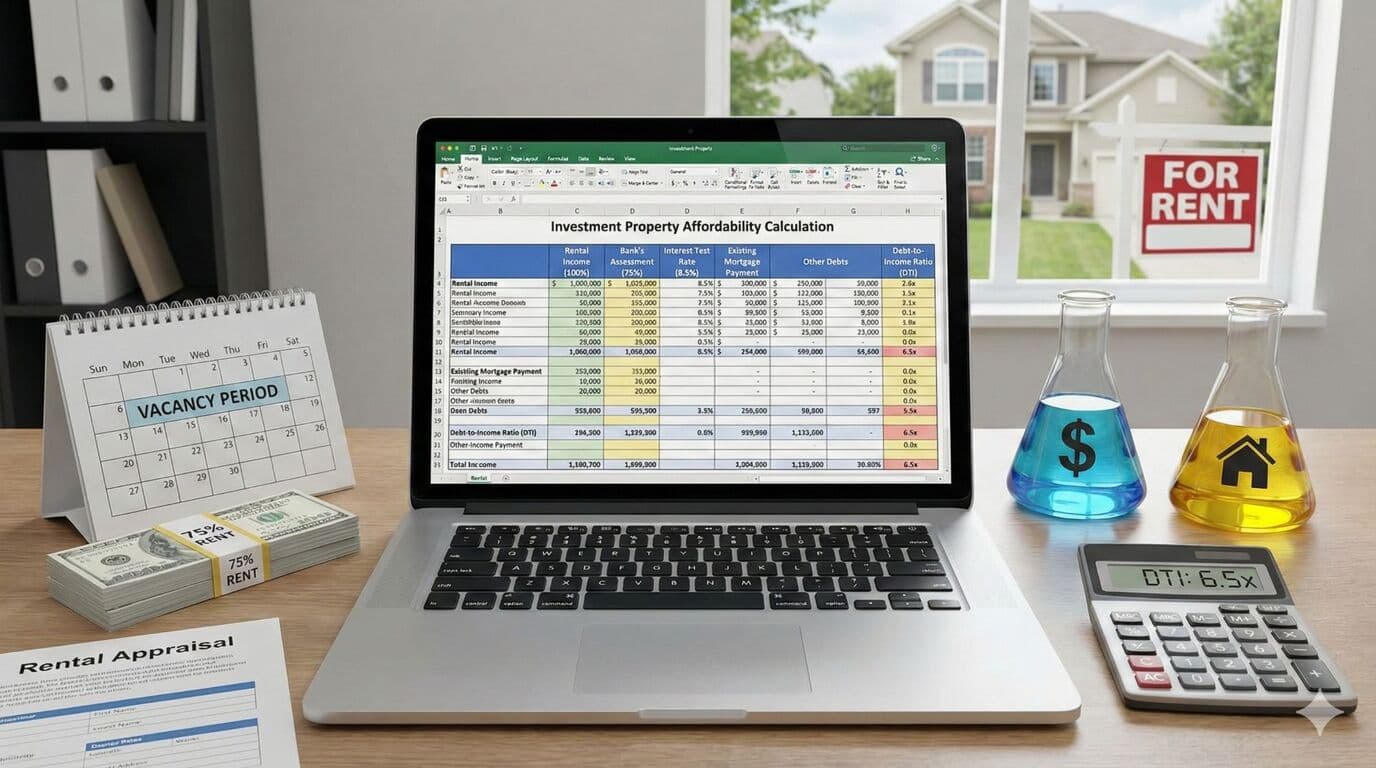
How Do Banks Calculate If I Can Afford an Investment Property?
Banks use specific formulas to assess investment property affordability. Understanding these calculations helps you plan your property portfolio.

The Top Fears Landlords Have About Tenants – And How to Manage Them
Common landlord anxieties like non-payment, property damage, and problem tenants are manageable with the right preparation. Here is how to protect yourself.

The Income Hurdle: Why Most Kiwi Investors Only Own One Investment Property
Approximately 77% of New Zealand property investors own just a single rental property. The primary obstacle isn't motivation or equity-it's income assessment by lenders.

How to Calculate Rental Yield on an Investment Property
Rental yield represents the rental income your property generates over a year, expressed as a percentage of the property's value. Learn how to calculate it.

The Rule of 72: A Simple yet Powerful Financial Tool
The Rule of 72 is a quick mathematical shortcut for estimating investment doubling timelines. Learn how this simple formula can help with financial planning.
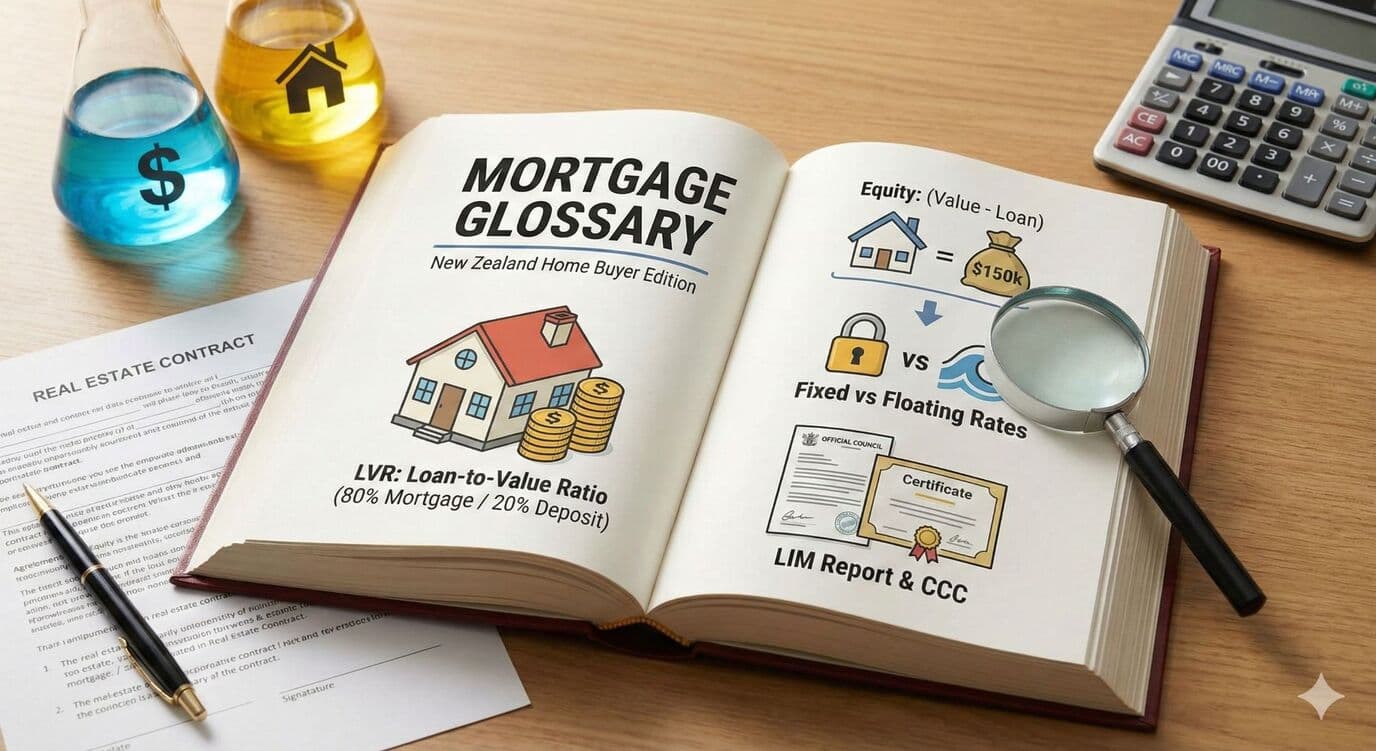
Mortgage Glossary: Common Terms Every Home Buyer Should Know
Buying your first home comes with a flood of new terms-LIM reports, equity, LVRs, CCCs, and more. This comprehensive glossary helps you understand essential mortgage terminology.

The Bank Said No Because of My Income
When a bank declines a mortgage application due to insufficient income, it's often called hitting the income hurdle. Learn actionable solutions to overcome this challenge.

Bank Declined Your Investment Property Mortgage? Here's What to Do If It's an Equity Hurdle
When banks reject mortgage applications for investment properties, the equity hurdle is often the culprit. This article explains strategies to overcome equity limitations.

Declined for an Investment Property? What to Do When the Bank Says No Due to Credit History
When a bank declines an investment property loan application, understanding the reason is crucial. A decline based on credit history is classified as a credit hurdle.

Better Budget: Smoke Alarms
Smoke alarms save lives, but many NZ homes have outdated or incorrectly placed alarms. Understanding the current requirements helps ensure your family is protected.

What Does $1,000,000 Buy You in the Major NZ Cities?
What does one million dollars actually buy you in New Zealand? The answer varies dramatically depending on location-from below-median in Auckland to multiple investment properties in Dunedin.

Meth Contamination and Investment Properties: A Complete Guide for NZ Landlords
Methamphetamine contamination can devastate property values and tenant health. Here is what NZ landlords need to know about testing, remediation, insurance, and the 2026 regulatory changes.

Pets in Rental Properties: Should Landlords Say Yes or No?
Renting to tenants with pets has always been a contentious issue for landlords. Under the Residential Tenancies Amendment Act 2024, landlords must now consider pet requests fairly.

How to Use the Equity in Your Own Home to Buy an Investment Property
If you already own your home, you might be sitting on a hidden asset that could help you grow your wealth: equity.

New Build vs Existing Home: Which Should You Buy?
For many Kiwis, one of the first big questions in the home-buying journey is whether to purchase a brand-new home or an existing one.

Split Banking for Property Investors in NZ: What You Need to Know
Split banking involves distributing your property loans across multiple lenders rather than concentrating all borrowing with a single bank.

How Soon Can You Reapply for a Mortgage After Being Declined?
Being turned down for a mortgage can be gutting-especially when you've started picturing life in a new home. But this one can be remedied.

Interest-Only Mortgages: When They Work-and When They Don't
Interest-only mortgages tend to get a bad rap, and not without reason. Used recklessly, they can lead to financial stress and ballooning debt. But in the right circumstances, they can be a very smart move.

What Are Terraced Houses-and Are They a Good Buy?
Terraced houses are one of a group of attached dwellings that share one or two walls with neighbouring homes. Are they a good option for first-time buyers and investors?

Purchasing at Auction – A Step by Step Guide
Buying at auction can be exciting but also intimidating. Here's your complete guide to navigating the auction process with confidence.

Apartments: The Low-Down On High Rises
Thinking about buying an apartment? Here's everything you need to know about size requirements, ownership types, and financing.

The One Bank Trap and The Several Bank Nightmare
Property investors frequently encounter two contrasting approaches to debt management. The first concentrates all borrowing with a single lender, while the second spreads loans across numerous banks.

Ready To Buy: 5 Things Investment Property Buyers Can Do To Get Ready
Buying your first investment property can feel like stepping into the unknown, but it's not your first rodeo. Most investors have already been through the process of buying a home before.