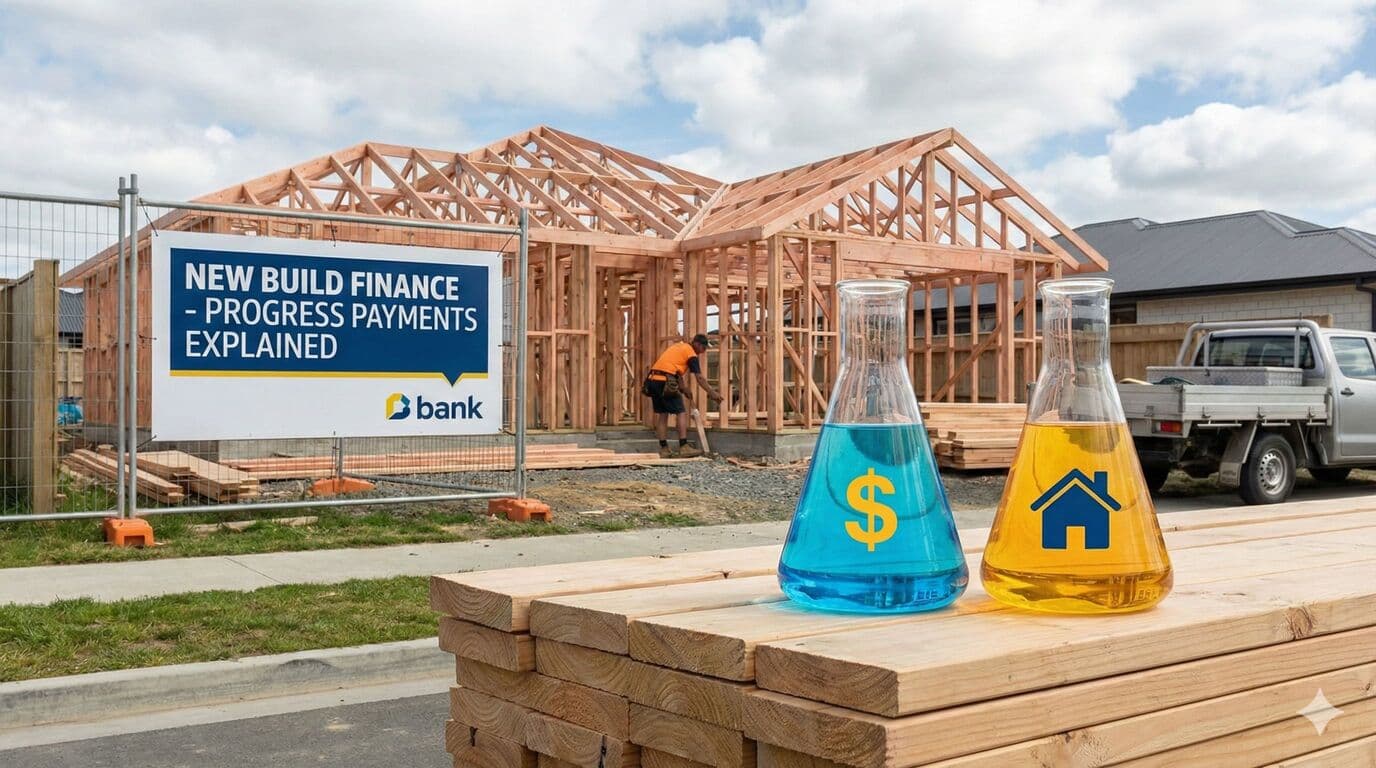
Financing a new build works differently from buying an existing property. Instead of receiving your full loan at settlement, funds release progressively as construction advances. Understanding these differences before you start helps you plan effectively and avoid financing complications.
Construction loans have their own requirements, structures, and challenges. Working with a mortgage adviser experienced in new build finance makes the process considerably smoother.
How Construction Loans Differ
Standard home loans release the full amount at settlement when you take ownership. Construction loans release progressively because the asset securing the loan is being built rather than purchased complete.
Banks lend against the value of completed work. At the start, only the land has value. As construction progresses through foundations, framing, lockup, and completion, more value exists to secure the lending.
This progressive release protects banks but creates complexity for borrowers. You need to understand and manage the staged payment process throughout construction.
Progress Payments Explained
Construction contracts specify payment at defined stages. A typical schedule might include deposit on signing, then payments at foundations, framing, lockup, and final completion. Some contracts include additional stages.
Each payment requires bank approval before release. You or your builder request a drawdown, the bank may arrange an inspection or valuation, and upon satisfaction funds release to the builder.
Timing between payments and builder cash flow needs management. Builders often proceed with work before receiving payment for the previous stage. Understanding this timing prevents pressure from builders requesting payments ahead of schedule.
Deposit Requirements
Qualifying new-build or construction lending may create more deposit flexibility because it can be exempt from standard RBNZ LVR restrictions. That can make new builds more accessible for some buyers, but a 10 percent owner-occupier deposit is not automatic. Lender policy, servicing, valuation, borrower eligibility, property eligibility, total project costs, and loan structure still determine what is available.
The deposit or equity contribution is assessed against the total project cost including land. For a $200,000 section and $500,000 build, lenders look at the combined $700,000 project cost, then confirm the required borrower contribution under their policy rather than applying a fixed 10 percent rule.
For investment new builds, qualifying construction or newly built home lending may create more flexibility than some existing-property purchases, but a 20 percent deposit is not guaranteed. Lender criteria, servicing, valuation, property eligibility, total project costs, and the loan structure still apply.
Land and Build Separate or Combined
Some buyers purchase land and arrange the build separately. Others buy house and land packages where the developer provides both. The financing approach differs slightly.
Separate land and build requires purchasing the land first, then arranging construction finance. You may need to hold the land while finding a builder and obtaining consent, which means paying interest on the land loan before construction starts.
House and land packages simplify financing because you commit to both simultaneously. Settlement timing coordinates between land settlement and construction start, reducing holding costs.
Managing Cash Flow During Construction
Construction creates cash flow complexity that standard home purchases avoid. You may continue paying rent while paying interest on your construction loan. Budget for this double-housing expense throughout the build period.
Unexpected costs require accessible funds. Variations, unforeseen site conditions, and upgraded selections all require payment. Having contingency funds available prevents delays when additional costs arise.
Some expenses fall outside the construction loan. Landscaping, driveways, curtains, and moving costs may need funding from savings rather than borrowed funds.
Bank Valuations and Inspections
Banks monitor construction progress to protect their security. Inspections or valuations at key stages confirm work matches the consent and Building Code specifications.
Valuation costs add up across multiple stages. Each bank valuation costs several hundred dollars. These costs are your responsibility as the borrower.
Delays can arise if valuers identify concerns. Work not matching specifications or quality issues may require resolution before further funds release. This creates pressure to ensure work proceeds correctly.
Working With Your Mortgage Adviser
Construction finance complexity makes professional advice particularly valuable. Your adviser structures the loan appropriately, coordinates with the bank through the drawdown process, and helps resolve complications that arise.
Choose an adviser experienced specifically in construction lending. The process differs sufficiently from standard lending that general mortgage experience may not prepare advisers adequately for construction-specific challenges.
Early engagement helps. Involving your adviser before you commit to a builder or sign a construction contract ensures your financing aligns with your plans. Discovering financing problems after signing creates difficult situations.
Common Complications
Construction delays extend financing costs. Interest accumulates for longer than planned, and continued rent payments add pressure. Building timeline contingency into your budget helps manage this risk.
Builder payment disputes can freeze progress. If you withhold payment due to concerns about work quality, the builder may stop work. These situations require careful management to reach resolution.
Changes during construction require financing adjustment. If your project scope increases, your loan may need restructuring. Banks have processes for this but it adds complexity and cost.
Understanding these potential complications before you start helps you plan appropriately and respond effectively when challenges arise during your construction journey.
Need Help With Your Mortgage?
Our expert advisers are here to guide you through every step of your mortgage journey. Get in touch for a free, no-obligation consultation.
Talk to an Adviser