You have done your research, interviewed candidates, and signed a management agreement. Now what? Understanding what to expect from your property manager helps you get the most from the relationship and spot problems early if they arise.
This guide covers what good property management looks like in practice.
Understanding Property Management Fees
Before diving into service expectations, understand what you are paying. Property management fees in New Zealand typically range from 7-10% of weekly rent plus GST. On a property renting for $600 per week, expect to pay $42-60 per week in management fees.
Beyond the headline percentage, watch for additional charges including letting fees (typically one to two weeks rent for finding new tenants), lease renewal fees, inspection fees, and Tenancy Tribunal attendance. Get a complete fee schedule in writing before signing. The cheapest manager is not always the best value if they underdeliver on service.
The First Few Weeks
When you first engage a property manager, expect an onboarding process that sets up the tenancy properly.
If the property is vacant, your manager should assess it, recommend any work needed before letting, and provide a realistic rental appraisal based on current market conditions. They should then advertise the property, conduct viewings, screen applicants, and present you with recommendations.
If there is an existing tenant, the manager will introduce themselves, collect relevant documentation, and take over rent collection. They should conduct an inspection within the first few weeks to establish a baseline understanding of the property's condition.
Either way, expect clear communication about timelines and processes during this setup phase.
Regular Communication
Once things are running, communication typically settles into a rhythm.
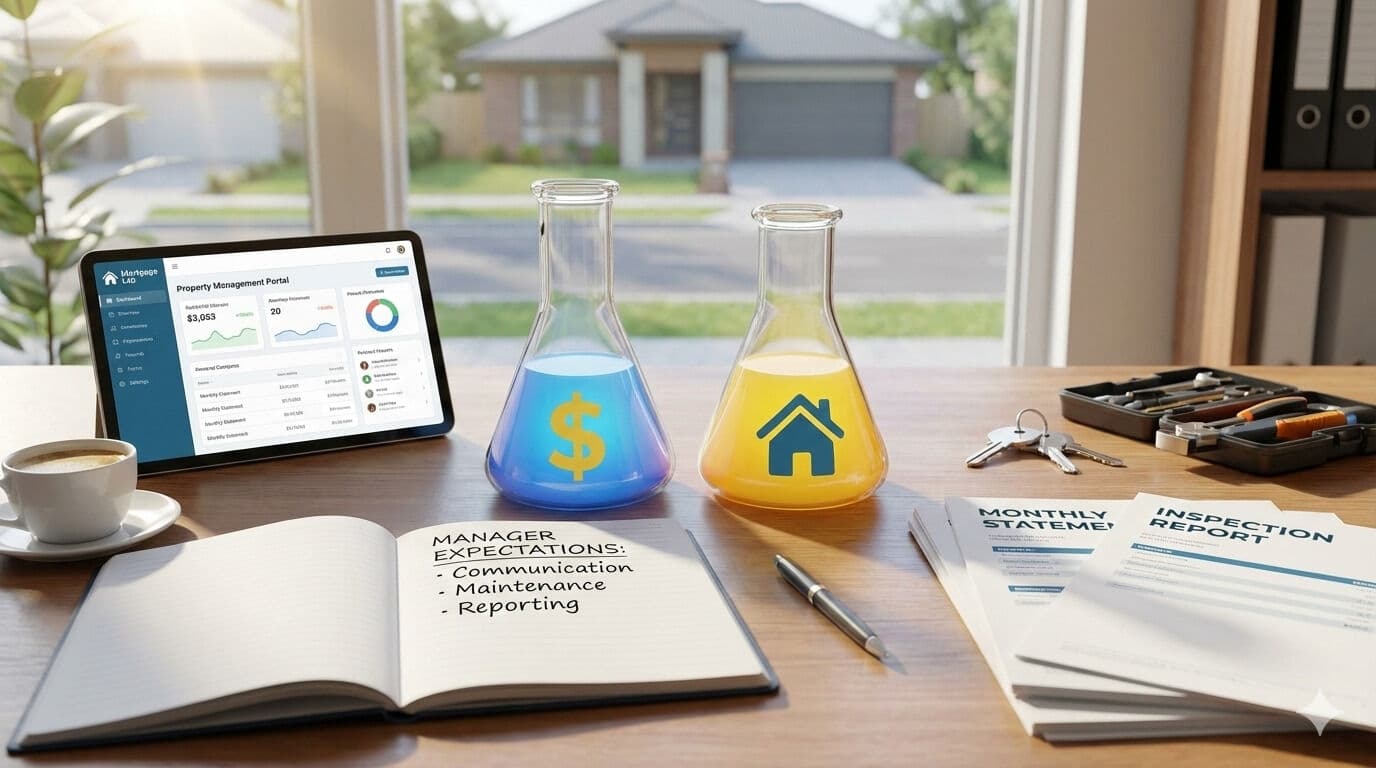
Monthly statements should arrive showing rent collected, expenses paid, and the net amount deposited to your account. Good managers provide these consistently on or near the same date each month.
Routine inspections typically happen every three to four months. After each inspection, you should receive a written report describing the property's condition, any maintenance observed, and how the tenant is caring for the place. Many managers include photos with these reports.
Your manager should contact you about any significant issues as they arise, not just at reporting time. If a tenant gives notice, if there is a maintenance emergency, or if rent falls behind, you should hear about it promptly.
However, do not expect constant updates about every small thing. Good managers handle day-to-day matters without bothering you. That is what you are paying them for.
Tenant Management
Your property manager is the primary contact for tenants. They handle the relationship so you do not have to.
This means fielding maintenance requests and coordinating repairs, conducting inspections and addressing any concerns about property care, managing rent collection and following up on late payments, handling requests for lease changes or renewals, and dealing with complaints or disputes.
Expect your manager to keep you informed about significant tenant matters, but the tenant should not have your direct contact details and should not be contacting you about property issues. That boundary is part of what management provides.
When tenancies end, your manager handles the exit process including final inspection, bond claims if needed, and preparation for re-letting.
Maintenance Handling
Maintenance is where property management often succeeds or fails. Here is what good maintenance handling looks like.
Responsive acknowledgment means tenants get confirmation their request was received, usually within 24 hours. Urgent issues like water leaks or heating failures in winter should be addressed the same day.
Appropriate triage means your manager assesses urgency and routes issues to suitable tradespeople. Not everything is an emergency, but genuine emergencies get urgent attention.
Owner communication means you hear about significant maintenance before it happens (except genuine emergencies). Your management agreement should specify an approval threshold above which you must be consulted.
Quality workmanship means repairs are done properly the first time. Cheap fixes that fail quickly cost more in the long run. Good managers balance cost with quality.
Documentation means you can see what was done, when, and what it cost. Maintenance records should be available to you, ideally through an online portal.
Rental Reviews
Your property manager should proactively monitor market rents and advise when adjustments are appropriate.
In New Zealand, rents can only be increased once every twelve months, with 60 days notice. Good managers track when reviews are due and provide market evidence to support any proposed increases.
Expect your manager to balance maximising your rent against tenant retention. Pushing for above-market rent increases tenant turnover, which costs more than slightly lower rent with a stable tenant.
You make the final decision on rent levels, but your manager should provide informed recommendations.
Financial Reporting
Beyond monthly statements, expect periodic financial summaries that help you understand your investment's performance.
Annual summaries are useful for tax purposes, showing total rent received, all expenses paid, and net income for the year. Some managers provide this automatically while others require you to request it.
Good managers also provide analysis if asked. They should be able to tell you how your property's yield compares to similar properties, whether expenses are typical, and where there might be opportunities to improve returns.
What You Should NOT Expect
Setting realistic expectations also means understanding what property management does not include.
Property managers are not financial advisers. They can tell you about rental yields and operating costs, but should not be advising on whether to buy or sell properties, how to structure your finances, or what your investment strategy should be.
Property managers are not mortgage brokers. While many work alongside mortgage advisers and can make referrals, they do not arrange financing.
Property managers are not lawyers. They understand tenancy law as it applies to day-to-day management, but cannot provide legal advice. Complex disputes may require you to engage a lawyer separately.
Property managers are not builders or building inspectors. They can identify obvious maintenance issues and coordinate repairs, but assessing structural problems or major building defects requires specialist expertise.
Signs of Good Management
How do you know if your property manager is doing a good job? Look for these indicators.
Consistent communication arrives when expected. Monthly statements come on time. Inspection reports follow inspections. You hear about issues before they become crises.
Tenant quality is solid. Rent comes in reliably. The property is well-maintained between inspections. Turnover is manageable.
Problems get resolved. When issues arise, your manager handles them competently. They know the law, document properly, and achieve reasonable outcomes.
They are proactive. Good managers do not just react to problems. They anticipate issues, suggest improvements, and keep you informed about market changes.
Signs of Problems
Watch for these warning signs that your management relationship needs attention.
Inconsistent communication means statements are late, you chase them for inspection reports, or you learn about issues after the fact.
Unexplained vacancies or turnover suggest problems with tenant selection, rent pricing, or property presentation.
Mounting maintenance issues indicate inspections are not thorough or maintenance is being deferred inappropriately.
Defensive responses when you ask questions suggest a manager who is not confident in their work or has something to hide.
Tribunal problems mean applications against your property, or outcomes that favour tenants when they should not, suggest inadequate documentation or legal knowledge.
Managing the Relationship
Your property manager works for you, but the best relationships are collaborative.
Respond promptly when they need decisions. Delayed approval for maintenance or tenant applications can cost you money through extended vacancy or worsening problems.
Be clear about your priorities. Do you prioritise maximising rent, minimising vacancy, or long-term tenant relationships? Your manager can serve you better when they understand what matters to you.
Provide feedback when appropriate. If communication is lacking or decisions seem off, say something early rather than letting frustration build.
Review the relationship periodically. Even if things are going well, an annual review ensures the arrangement still suits both parties. Discuss any fee changes, service adjustments, or concerns.
When Things Are Not Working
If you are consistently unhappy with your property manager, address it directly.
Start with a specific conversation about what is not working and what you need to change. Give them an opportunity to improve.
If problems persist, consider whether the issue is with the individual manager or the company. Sometimes a different manager at the same company can provide better service.
If fundamental problems remain, exercise your termination rights. Review your agreement for notice periods and transition requirements. A well-managed handover protects your interests during the change.
Property management is a relationship. Like any relationship, it works best when expectations are clear, communication is open, and both parties are invested in success.
Need Help With Your Mortgage?
Our expert advisers are here to guide you through every step of your mortgage journey. Get in touch for a free, no-obligation consultation.
Talk to an Adviser