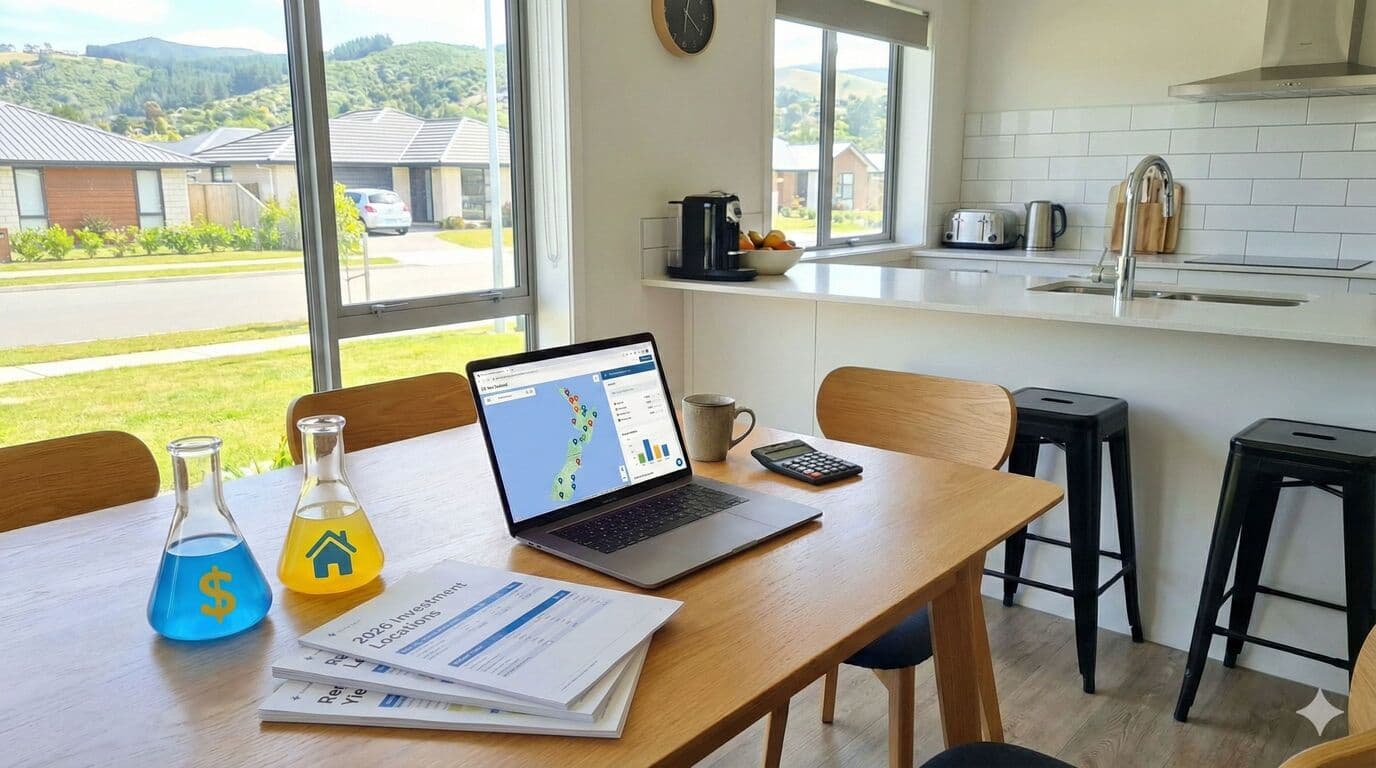
Buying an investment property is a business decision, not an emotional one. Unlike your family home, an investment property needs to stack up financially - both now and in the future. Here's a comprehensive framework for evaluating whether a property is worth your money.
1. Location Assessment
Location remains the single most important factor in property investment. But what makes a "good" location for investment purposes?
Look for areas with strong population growth, as more people means more rental demand. Seek diverse job markets since single-industry towns are risky if that industry declines. Infrastructure investment in new roads, public transport, schools, and hospitals signals future growth. Historical price trends provide useful context, though past performance doesn't guarantee future results.
Some of the highest rental yields in New Zealand are found in regional centres like Rotorua and Invercargill, while Auckland offers lower yields but potentially stronger capital growth. Your strategy should match your goals.
2. Deposit and Financing Requirements
Investment property financing differs significantly from owner-occupied lending. Existing investment properties commonly require a larger deposit or equity buffer because investor loans above 70% LVR are high-LVR under RBNZ restrictions. Qualifying new-build or construction lending may create more flexibility, but a 20% deposit is not automatic. Lender policy, servicing, valuation, equity position, property eligibility, and loan structure still determine what is available. Interest rates often run higher than owner-occupied rates. Banks usually shade rental income and allow for vacancy or costs when assessing serviceability. From 1 April 2025, interest on funds borrowed for residential rental property is generally 100% deductible again.
Before you start looking, talk to a mortgage adviser to understand exactly how much you can borrow and what your repayments would look like.
3. Healthy Homes Standards Compliance
All rental properties must now comply with Healthy Homes Standards, which set minimum requirements. Heating requires a fixed device capable of warming the main living area to 18°C. Insulation must include ceiling and underfloor insulation meeting minimum R-values. Ventilation requires extractor fans in kitchens and bathrooms plus openable windows in bedrooms and living areas. Moisture and drainage standards require no leaks, adequate drainage, and ground moisture barriers. Draught stopping means blocking unnecessary gaps and holes.
If a property doesn't meet these standards, factor in the cost of bringing it into compliance. Non-compliance can result in penalties up to $7,200 per breach.
4. Tenant Appeal
The best investment properties attract quality tenants who stay long-term. Focus on low-maintenance gardens since tenants don't want to spend weekends gardening. Use durable, practical materials as carpet shows wear faster than vinyl or tiles. Good natural light makes bright, sunny properties more appealing. Adequate storage is often overlooked but highly valued. Consider pet-friendly potential since from late 2025, blanket "no pets" policies are no longer allowed.
Avoid properties with features that appeal mainly to owner-occupiers (like high-end kitchen appliances) but add cost without increasing rent.
5. Financial Viability
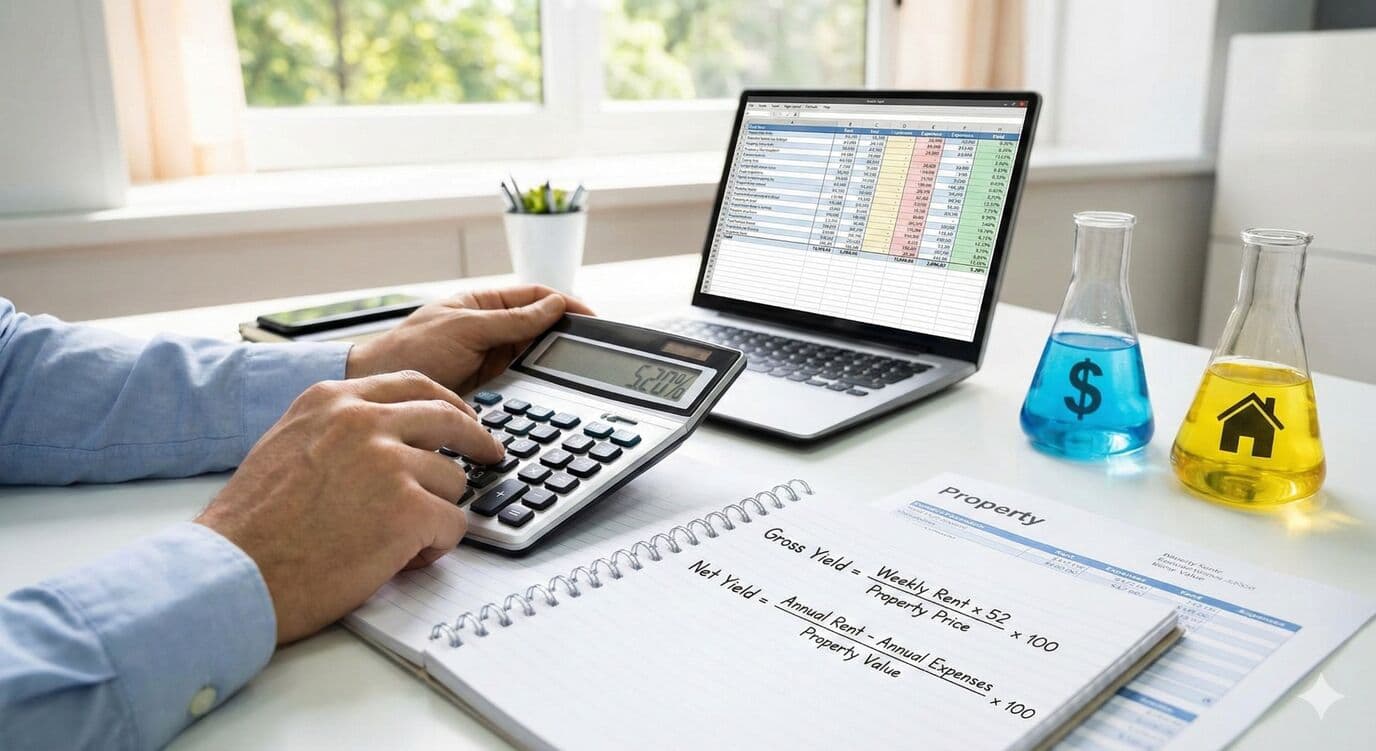
The numbers need to work. Calculate gross yield as (Annual rent ÷ Purchase price) × 100. For example: $30,000 annual rent ÷ $600,000 purchase = 5% gross yield. Net yield accounts for expenses including rates, insurance, property management (7-10%), maintenance, and vacancy allowance.
Be aware that insurance costs have increased 15-20% annually in recent years, particularly in high-risk zones like coastal Wellington or earthquake-prone Christchurch.
6. Tax and Compliance Considerations
Understand the tax implications. For residential property sold on or after 1 July 2024, the bright-line test is generally a 2-year test, so a sale within 2 years of the bright-line start date may be taxable. From 1 April 2025, interest on funds borrowed for residential rental property is generally 100% deductible again, but only to the extent the borrowing relates to the rental property. Ring-fencing rules mean residential rental losses generally cannot be offset against salary or wages. Methamphetamine contamination rules for rental properties have been in force since 16 April 2026, so factor testing, decontamination, and compliance risk into due diligence where relevant.
7. Developer Evaluation (For New Builds)
If buying off the plans, research the developer. Check their financial stability and whether they're well-capitalised. Look at their track record to see if they've completed similar projects successfully. Assess build quality by visiting their completed developments. Evaluate their communication to see if they're responsive and transparent.
Smaller developers can be as reliable as large firms - track record matters more than size.
Numbers Over Hype
A good investment property balances yield, growth potential, and manageable risk. Don't rush into a purchase because the market is moving or someone tells you it's a "great deal." Do your research, run the numbers, and make sure it aligns with your investment strategy.
Consult with a mortgage adviser to understand your borrowing capacity and appropriate lending structures before you start looking.
Need Help With Your Mortgage?
Our expert advisers are here to guide you through every step of your mortgage journey. Get in touch for a free, no-obligation consultation.
Talk to an Adviser