Let's be honest: most of us curate our dating profiles to show the best version of ourselves. That beach photo from three years ago when you were actually fit? Perfect. Your passion for "long walks and good conversation"? A stretch, but it sounds nice.
The problem is that some people apply the same creative approach to their mortgage applications. And unlike a Tinder date who might forgive a few extra kilos, banks have a very low tolerance for fiction.
What Banks Actually Look For
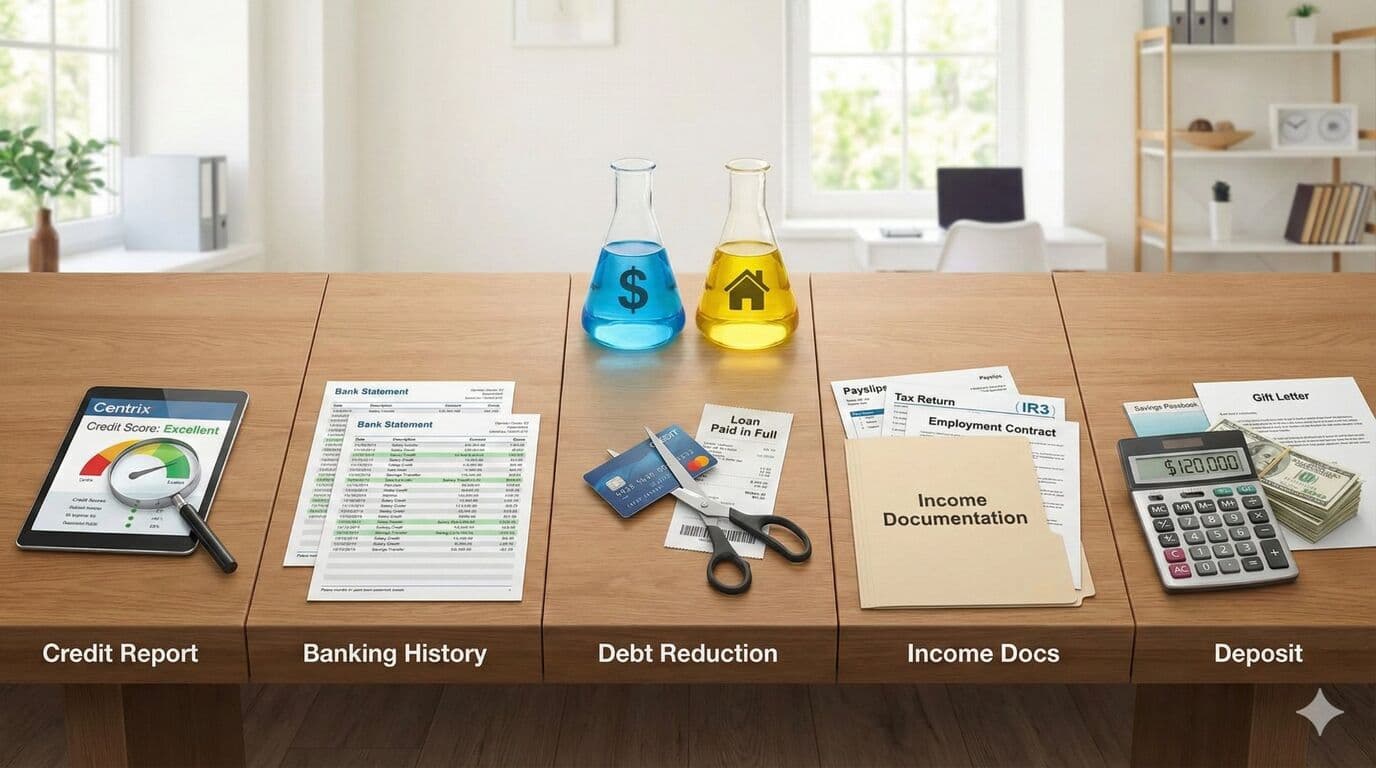
When you apply for a mortgage, banks don't just ask about your income and savings-they dig into your actual financial behaviour. Specifically, they examine:
They examine three months of bank statements, looking at how you spend your money day-to-day, whether you save consistently, what regular payments and debts you have, and any red flags that suggest financial stress.
Red flags that raise concerns include excessive Buy Now Pay Later purchases, frequent overdrafts or account sweeps, gambling transactions (even small bets), large unexplained cash withdrawals, inconsistent or declining savings patterns, and multiple pay-day loans or high-interest credit. Unlike Tinder, you can't just hide the unflattering parts. Banks see everything.
Why Honesty Matters
When it comes to mortgage applications, honesty isn't just ethical-it's practical. Banks use sophisticated systems to verify information, and they cross-reference what you tell them against what they can see.
If you claim to spend $500/month on groceries but your statements show $1,200, they'll notice. If you "forget" to mention a car loan, it will appear on your credit check. If you say you don't gamble but your statements show weekly Lotto purchases and TAB bets, you've created a credibility problem.
Non-disclosure doesn't just mean a declined application-it can mean being flagged as dishonest, which makes future applications harder.
The "Mortgage Game" Strategy
Instead of trying to game the system, try this: pretend you already have the mortgage and see if you can actually afford it.
Here's how it works. First, calculate your likely mortgage payment-if borrowing $500,000 over 30 years at 8% (the rate banks use for stress testing), your payments would be approximately $846 per week. Then work out the difference: if you're currently paying $500/week in rent, the difference is $346/week. Set that money aside every week by transferring it to a separate savings account automatically, and do this for at least 3-6 months to build both your savings and your track record.
This approach works because it demonstrates you can afford the payments (to yourself and to the bank), it builds your deposit faster, it creates a strong savings pattern in your bank statements, and it prepares you mentally for the actual mortgage. If you can't afford to simulate 8% payments, start lower and work your way up. The point is to build the habit and prove you can handle mortgage-level expenses.
What If You Can't Afford The Simulation?
If running this simulation reveals you can't actually afford the mortgage you were hoping for, that's valuable information. It's far better to discover this now than after you've committed to a property.
Options include adjusting your purchase price expectations, waiting while you increase income or reduce other debts, looking at shared ownership or family assistance options, and extending your timeline to build a larger deposit.
The Real Difference
On Tinder, creative self-presentation might land you a first date. In mortgage applications, it lands you a declined application or-worse-a loan you can't actually afford.
Your mortgage application should be the most honest document you've ever created. Show banks the real you: someone who manages money responsibly, saves consistently, and can genuinely afford the commitment they're asking for.
That's the kind of match that actually lasts.
Need Help With Your Mortgage?
Our expert advisers are here to guide you through every step of your mortgage journey. Get in touch for a free, no-obligation consultation.
Talk to an Adviser