
Back to Blog

How to Get a Mortgage in New Zealand: The 7-Step Process for First Home Buyers

19 February 20258 min readBy Jarrod Kirkland
How to Get a Mortgage in New Zealand: The 7-Step Process for First Home Buyers

Key Takeaways

  • 1The process follows seven key stages from broker consultation to mortgage structuring.
  • 2Owner-occupiers need 20% deposit (80% LVR); investors need 30% for existing properties (70% LVR); new builds allow 80% LVR for both.
  • 3Pre-approval identifies whether you face a deposit hurdle or income hurdle.
  • 4Final mortgage structure discussions happen after your property offer is accepted.

The mortgage process intimidates many first-time home buyers, but it follows a structured pathway. Here's what to expect through seven key stages.

The mortgage process intimidates many first-time home buyers, but it follows a structured pathway. Here's what to expect through seven key stages.

Step 1: Initial Broker Consultation

Your journey begins with a phone conversation where a mortgage broker assesses your financial situation. They'll inquire about your deposit amount, income, and purchase goals. This discussion identifies whether you face a "deposit hurdle" (insufficient savings) or an "income hurdle" (earning constraints).

Step 2: Online Application Submission

The broker sends a secure application link. You'll enter financial details including income, debts, spending, and assets. The form auto-saves, allowing completion at your pace. You can leave uncertain sections blank initially; your broker will address them later. The system generates a personalized checklist of required documents.

Step 3: In-Person Broker Meeting

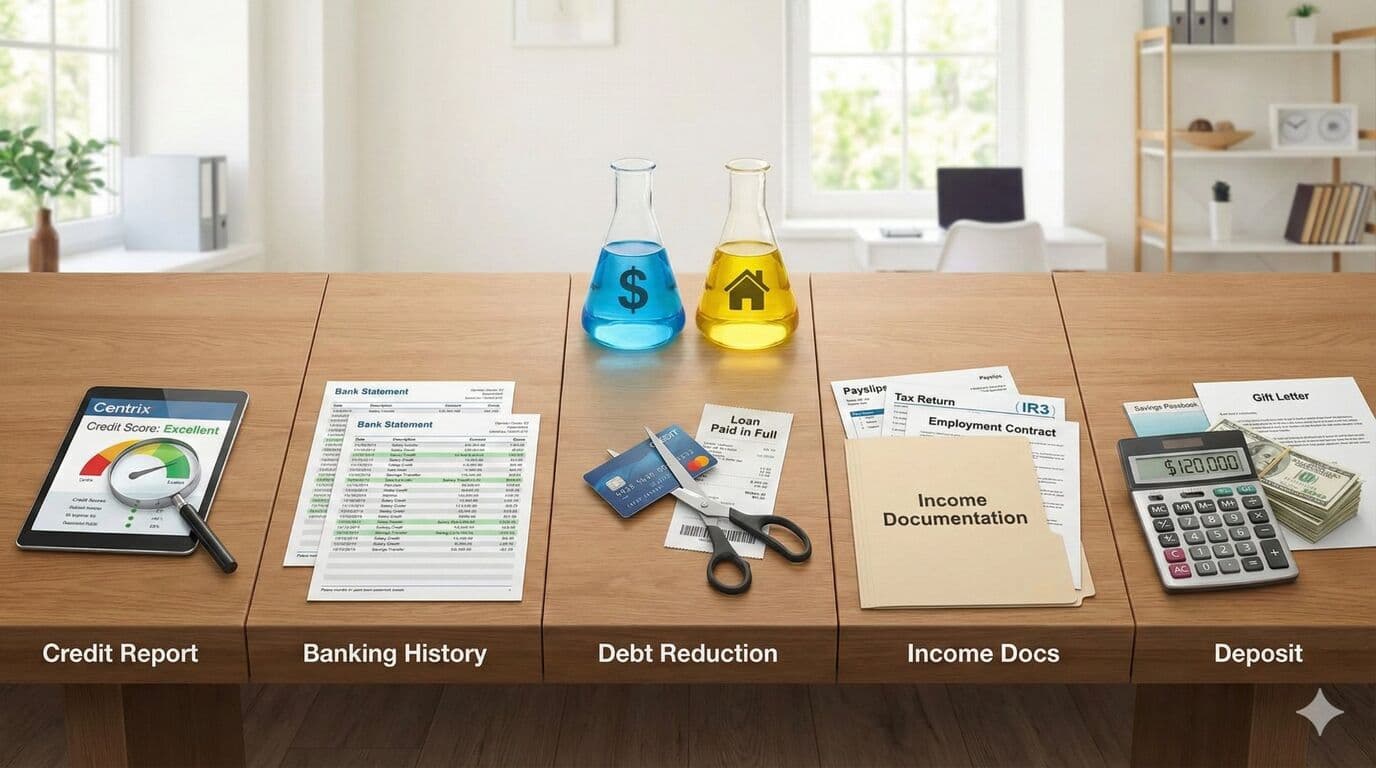
This meeting fills application gaps and covers the process in detail. Your broker verifies your ID (required under New Zealand's anti-money laundering regulations). You'll review payslips, business financials, bank statements, and KiwiSaver balances. For gifts from family members, gifting certificates are required. Additional paperwork may be needed for trust purchases or new builds.

Step 4: Bank Application Submission

Once your broker reviews all details and documents, they submit your application to one or multiple banks. Processing typically takes several days to a week, depending on workload. If timing matters for auctions or offers, inform your broker immediately.

Step 5: Letter of Offer Reception

The bank issues a Letter of Offer-your mortgage approval-stating the borrowing amount and projected repayment figure. Banks use conservative calculations (typically floating rates) for clarity. Offers come in two varieties: conditional (requiring additional information) or unconditional (all requirements satisfied except property approval).

Step 6: Meeting Conditions

Your broker helps satisfy conditional requirements, which might include reducing credit card limits or providing updated bank statements. Once conditions are met, approval becomes unconditional. The bank then assesses whether your chosen property serves as suitable security. No approval is final until the bank signs off on the specific property.

Step 7: Mortgage Structuring

After your offer acceptance and property approval, your broker discusses loan structure. This involves selecting fixed versus floating portions, choosing revolving credit or offset accounts, and determining loan terms. This meeting tailors the mortgage to your lifestyle, goals, and future plans.

Understanding LVR Requirements

Reserve Bank loan-to-value ratio ([LVR) restrictions](/blog/what-does-lvr-mean) determine how much deposit you need. For owner-occupiers, banks can lend up to 80% of the property value, meaning you need at least a 20% deposit for most purchases. A small portion of bank lending can go to borrowers with less than 20% deposit, but competition for these low equity loans is fierce.

New builds have more flexibility-banks can lend up to 80% on new construction regardless of whether you're an owner-occupier or investor. If you're planning to buy an investment property, stricter rules apply: investors generally need a 30% deposit (70% LVR maximum).

Your broker will explain which LVR category applies to your situation and how it affects your borrowing capacity and deposit requirements.

Conclusion

After completing these steps, you've secured your mortgage and begun your homeownership journey. Lean on your broker's expertise throughout the process-supporting you through every stage is their role.

Need Help With Your Mortgage?

Our expert advisers are here to guide you through every step of your mortgage journey. Get in touch for a free, no-obligation consultation.

Talk to an Adviser

Frequently Asked Questions

How long does the mortgage application process take?

From initial consultation to Letter of Offer typically takes several days to a week, depending on bank workload. The full process from application to settlement can take several weeks, depending on property type and any conditions that need to be satisfied.

What documents do I need for a mortgage application?

You will need payslips or business financials if self-employed, bank statements showing your savings history, KiwiSaver balances, photo ID for anti-money laundering verification, and gifting certificates if receiving family help. Your broker will provide a personalised checklist based on your situation.

How much deposit do I need for a mortgage?

Under Reserve Bank [LVR restrictions](/blog/what-does-lvr-mean), owner-occupiers generally need a 20% deposit (80% LVR maximum). Investors need 30% for existing properties (70% LVR). New builds have more flexibility with 80% LVR for both owner-occupiers and investors. A small portion of bank lending can go to lower deposit borrowers, but competition is fierce.

What is the difference between conditional and unconditional approval?

Conditional approval requires additional information or documents before becoming final, such as updated bank statements or reduced credit card limits. Unconditional approval means all requirements are satisfied except final property approval from the bank.

What is a deposit hurdle versus an income hurdle?

A deposit hurdle means you do not have enough savings to meet [deposit requirements](/blog/how-much-deposit-do-you-need-to-buy-your-first-home), while an income hurdle means your earnings are insufficient to service the mortgage repayments. Your broker identifies which applies during your initial consultation so you can address the right issue.

Can I use KiwiSaver for my deposit?

Yes, eligible first home buyers can withdraw their [KiwiSaver funds](/blog/kiwisaver-first-home-withdrawal-complete-guide) to put toward a deposit. You need to have been a member for at least three years and meet other eligibility criteria. Your broker can help you navigate the withdrawal process and timing.

What happens after I get pre-approval?

With pre-approval in hand, you can start making offers on properties with confidence. Once your offer is accepted, your broker helps you meet any remaining conditions, the bank approves the specific property as security, and you move to mortgage structuring before settlement.

How do I choose between fixed and floating rates?

After your offer is accepted, your broker discusses loan structure including fixed versus floating portions and whether to include an [offset account](/blog/what-is-an-offset-account) or [revolving credit](/blog/what-is-a-revolving-credit-account). The right choice depends on your lifestyle, goals, and how interest rates are expected to move.

What if I am declined for a mortgage?

Being declined is not the end of the road. Each bank assesses applications differently, so you may be approved elsewhere. A broker can identify why you were declined and whether to address [credit issues](/blog/bank-said-no-credit-hurdle), [deposit shortfalls](/blog/bank-said-no-deposit), or [income concerns](/blog/bank-said-no-income-hurdle) before reapplying.

Disclaimer

The information on this website is for general guidance only and does not constitute financial or investment advice. Always do your own research and seek personalised advice from a qualified financial adviser or mortgage adviser before making financial decisions. All investments carry risk and past performance is not indicative of future results.

Get the Mortgage Lab App

Access all our articles, calculators and tools on the go. Free on the App Store.

Download on the
App Store

Find an Adviser Near You

We can process your mortgage from anywhere in New Zealand using video meetings. If you don't live in one of these areas, simply choose any region to find an adviser.