
Back to Blog

Construction Mortgages – Turn-Key vs Progress Payment Contracts

4 March 20257 min readBy Jarrod Kirkland
Construction Mortgages – Turn-Key vs Progress Payment Contracts

Key Takeaways

  • 1Turn-key offers simplicity and cost certainty with no mortgage payments until settlement.
  • 2Progress payment provides finance security from day one and often costs slightly less.
  • 3Banks favor progress payment structures, offering greater flexibility.
  • 4Always have a lawyer review construction contracts regardless of builder reputation.

Building a new home presents an exciting opportunity with potentially more flexible financing than existing property purchases. Here are the two primary contract structures.

Building a new home presents an exciting opportunity with potentially more flexible financing than existing property purchases. The Reserve Bank of New Zealand has encouraged new builds through adaptable lending guidelines. Before construction begins, homebuyers must choose between two primary contract structures.

Turn-Key Construction Contracts

A turn-key arrangement means the completed home is ready for occupancy. Buyers typically pay 10% upfront with the remaining 90% due upon completion and receipt of the Code of Compliance Certificate.

Advantages:

  • Simple payment structure with no interest during construction
  • Cost certainty from the outset
  • No mortgage payments until settlement

Disadvantages:

  • Generally costs more than progress payment alternatives
  • Higher risk if construction extends beyond the pre-approval validity period (typically 6-12 months)
  • Requires reapplication for financing if timelines slip

Critical consideration: always ensure your deposit is held in trust by your solicitor to protect funds if builders face financial difficulties.

Progress Payment Construction Contracts

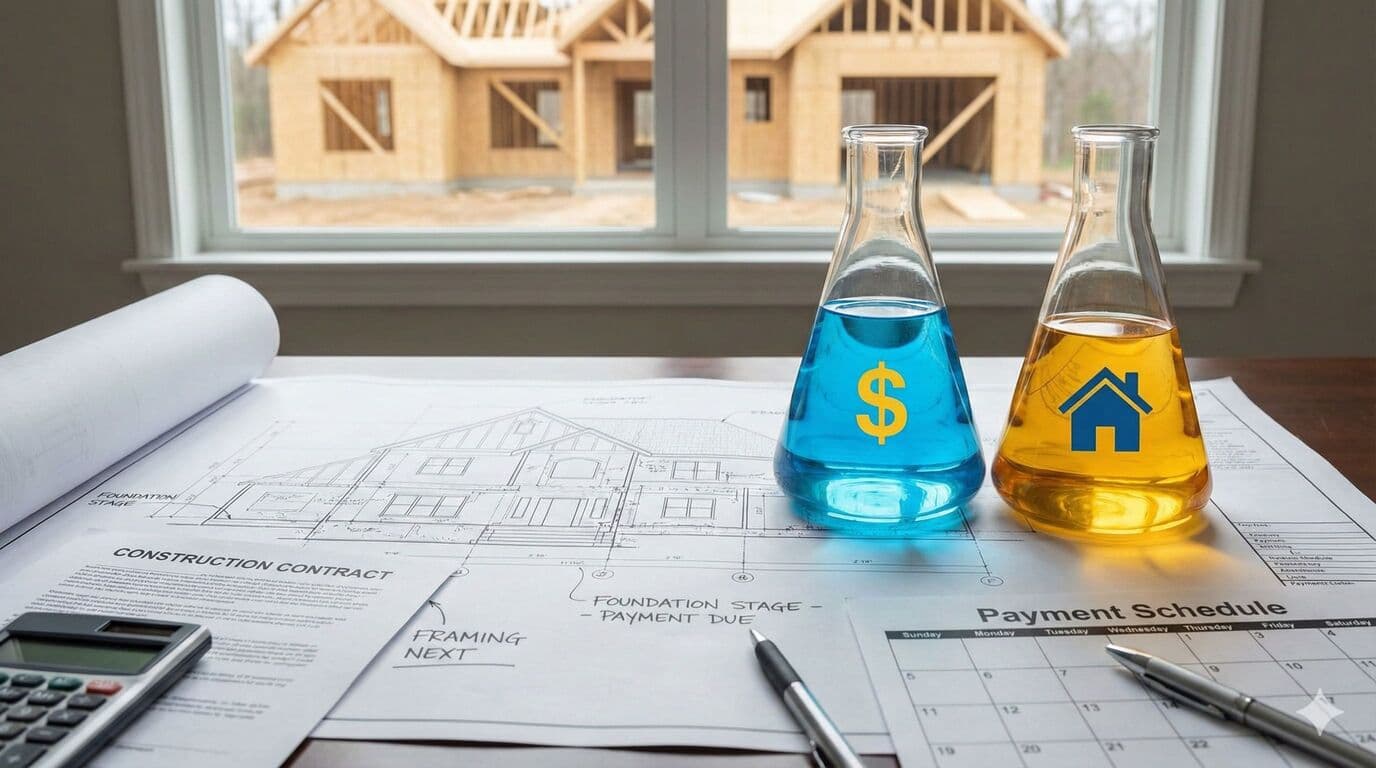
Under this model, payments occur in stages as construction milestones are reached-land purchase, foundation completion, framing, roofing, and beyond.

Advantages:

  • Finance secured from day one, eliminating reapplication concerns
  • Often slightly less expensive than turn-key arrangements
  • Banks favor this structure, offering greater flexibility

Disadvantages:

  • Increased administrative requirements
  • Mortgage repayments increase gradually throughout construction
  • Tighter cash flow management needed

Practical Completion vs Code of Compliance

Some contracts distinguish between "practical completion" (when builders consider work finished) and CCC issuance (council approval). Builders prefer payment at practical completion to maintain cash flow, while banks typically require CCC before releasing final funds to ensure the property meets security requirements.

Legal Review Importance

Construction contracts require lawyer review regardless of builder reputation. Attorneys identify clauses affecting payment timing and identify excluded costs for driveways, fencing, and site preparation that could surprise buyers.

Selecting the Right Option

Turn-key contracts suit buyers prioritizing simplicity and predictability. Progress payment contracts offer flexibility and often unlock lending unavailable for turn-key builds. Individual circumstances, deposit size, and borrowing capacity should guide the decision.

Need Help With Your Mortgage?

Our expert advisers are here to guide you through every step of your mortgage journey. Get in touch for a free, no-obligation consultation.

Talk to an Adviser

Frequently Asked Questions

What is a turn-key construction contract?

A turn-key contract means the completed home is ready for occupancy when you receive the keys. Buyers typically pay 10% upfront with the remaining 90% due upon completion and receipt of the Code of Compliance Certificate. You pay no interest during the construction period.

What is a progress payment construction contract?

Under a [progress payment model](/blog/understanding-progress-payments-construction), payments occur in stages as construction milestones are reached such as land purchase, foundation completion, framing, roofing, and final completion. Your mortgage is drawn down progressively and you pay interest on amounts already released.

Which contract type is cheaper?

Progress payment contracts are often slightly less expensive than turn-key arrangements because the builder does not need to finance the construction costs themselves. However, turn-key offers a simpler payment structure with no interest charged during construction.

What happens if a builder goes into liquidation mid-build?

With turn-key contracts, your deposit is at risk if the builder fails before completion. With [progress payment structures](/blog/new-build-finance-how-construction-loans-work), you only pay for work completed and have a registered mortgage providing security. Legal review of sunset clauses and guarantees is essential for either contract type.

Do banks prefer turn-key or progress payment contracts?

Banks generally prefer progress payment contracts because they can register a mortgage from day one, providing security throughout construction. Some lenders are more restrictive about turn-key financing, particularly for off-the-plan purchases where construction has not yet started.

What deposit do I need for a new build?

New builds benefit from relaxed [LVR restrictions](/blog/what-does-lvr-mean) allowing purchases with as little as 10% deposit compared to the standard 20% for existing properties. First home buyers may also access the First Home Loan scheme and their [KiwiSaver withdrawal](/blog/kiwisaver-first-home-withdrawal-complete-guide) to fund the deposit.

How do sunset clauses work in construction contracts?

Sunset clauses set a deadline by which construction must be completed. If the builder fails to deliver by this date, the buyer can typically walk away with their deposit returned. Review these clauses carefully with your lawyer as some favour the builder over the buyer.

Should I get legal advice before signing a construction contract?

Absolutely. Construction contracts are complex documents regardless of builder reputation. A lawyer can identify risky clauses, negotiate better terms, explain your obligations and rights, and ensure sunset clauses and guarantees adequately protect you.

Disclaimer

The information on this website is for general guidance only and does not constitute financial or investment advice. Always do your own research and seek personalised advice from a qualified financial adviser or mortgage adviser before making financial decisions. All investments carry risk and past performance is not indicative of future results.

Get the Mortgage Lab App

Access all our articles, calculators and tools on the go. Free on the App Store.

Download on the
App Store

Find an Adviser Near You

We can process your mortgage from anywhere in New Zealand using video meetings. If you don't live in one of these areas, simply choose any region to find an adviser.