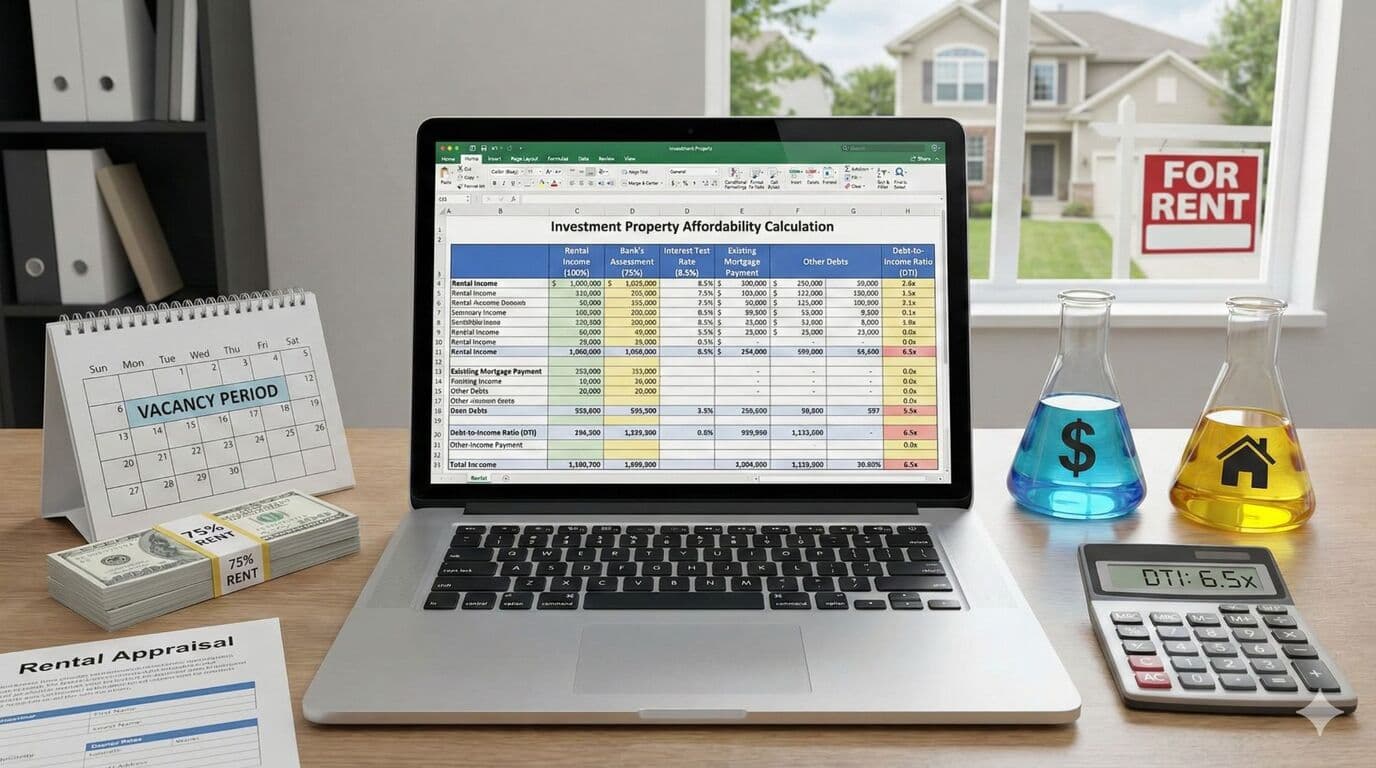
Getting a flatmate is one of those ideas that sounds brilliant on paper - someone else helps pay your mortgage while you build equity. And honestly, it can work really well. But there are some specifics about how banks treat flatmate income that catch people off guard, so let me walk you through how it actually works when you are applying for a mortgage in New Zealand.
How Banks View Flatmate Income
The first thing to understand is that banks do not treat flatmate income the same way they treat your salary. Most lenders will cap the amount of flatmate income they recognise at somewhere between $150 and $200 per week, regardless of what you are actually charging. They will also typically only count income from one or two flatmates, even if you have a five-bedroom house and plan to fill every room.
If you are applying for a high-LVR mortgage - that is, you have less than 20% deposit - several banks will not count flatmate income at all. Their reasoning is that you are already in a higher-risk category, and they want to know you can service the mortgage on your own income without relying on a flatmate who might move out next month. This is one of those details that can really throw a spanner in the works if you have built your entire affordability calculation around having a flatmate contribute.
The Difference Between Flatmates and Boarders
For lending purposes, banks generally treat flatmates and boarders the same way. They do not care whether you are providing meals and laundry or just a room with shared facilities. But IRD absolutely does care about this distinction, and it matters for your tax obligations.
A boarder is someone you provide services to - meals, laundry, cleaning. IRD has a standard cost method for boarder income that simplifies your tax return considerably. A flatmate just shares the house and pays their share of expenses. The tax treatment differs, and your accountant will want to know which arrangement you have. Getting this wrong will not affect your mortgage application, but it could create headaches at tax time.
Responsible Lending and Follow-Up
Under the Credit Contracts and Consumer Finance Act (CCCFA) responsible lending rules, banks take a close look at whether the income you declare on your application actually stacks up. If you tell the bank you will have a flatmate paying $200 a week, they may well follow up a few months after settlement to check that you have actually found someone.
This is not the bank being nosy for the sake of it. They need to satisfy themselves that you can genuinely afford the mortgage, and if a chunk of your affordability relied on flatmate income that never materialised, that is a problem. Be honest in your application and only declare flatmate income you genuinely intend to collect. If your plan is vague or aspirational, leave it out - you are better off qualifying on your own income and treating the flatmate contribution as a bonus.
What the Extra Income Can Do for You
Even though banks cap flatmate income for lending purposes, the actual money hitting your account each week can make a genuine difference to how fast you pay off your mortgage. An extra $200 per week directed straight onto your mortgage adds up to over $10,000 a year in additional repayments, and the compounding effect of that over a 25 or 30-year mortgage term is substantial.
If your mortgage structure allows it, the best approach is to increase your regular repayment amount to include the flatmate contribution. Some borrowers prefer to make lump sum payments periodically, while others use revolving credit or offset account facilities to park the extra cash against their loan balance. The right method depends on your lender and your mortgage setup, but the key point is to actually direct the money onto the mortgage rather than letting it absorb into your general spending.
The Realities of Living with a Flatmate
Before you commit to the flatmate strategy, think honestly about whether you are prepared for what it involves. Your house will cop more wear and tear with an extra person living in it - more use of the kitchen, bathroom, and shared spaces means more maintenance and cleaning. Your power and water bills go up. Your privacy goes down.
There are also legal considerations worth thinking through. If your flatmate is on a tenancy agreement, removing them if things go sour involves following the Residential Tenancies Act process, which takes time. If they are a boarder, you have more flexibility, but it can still be awkward. And if you are receiving any government benefits or Working for Families tax credits, flatmate income could affect your entitlements depending on your circumstances.
The Bottom Line
Flatmate income is a useful tool, but it should be the cherry on top of your mortgage affordability, not the foundation. Banks want to see that you can manage the mortgage primarily on your own earnings, and honestly, that is good advice for you too. Flatmates come and go - they get partners, move cities, or just decide they want their own place. If your entire mortgage depends on someone else paying rent in your spare room, you are one flatmate departure away from serious financial stress. Get yourself into a position where you can handle the mortgage solo, and then enjoy the accelerated repayment that a flatmate contribution brings.
Need Help With Your Mortgage?
Our expert advisers are here to guide you through every step of your mortgage journey. Get in touch for a free, no-obligation consultation.
Talk to an Adviser