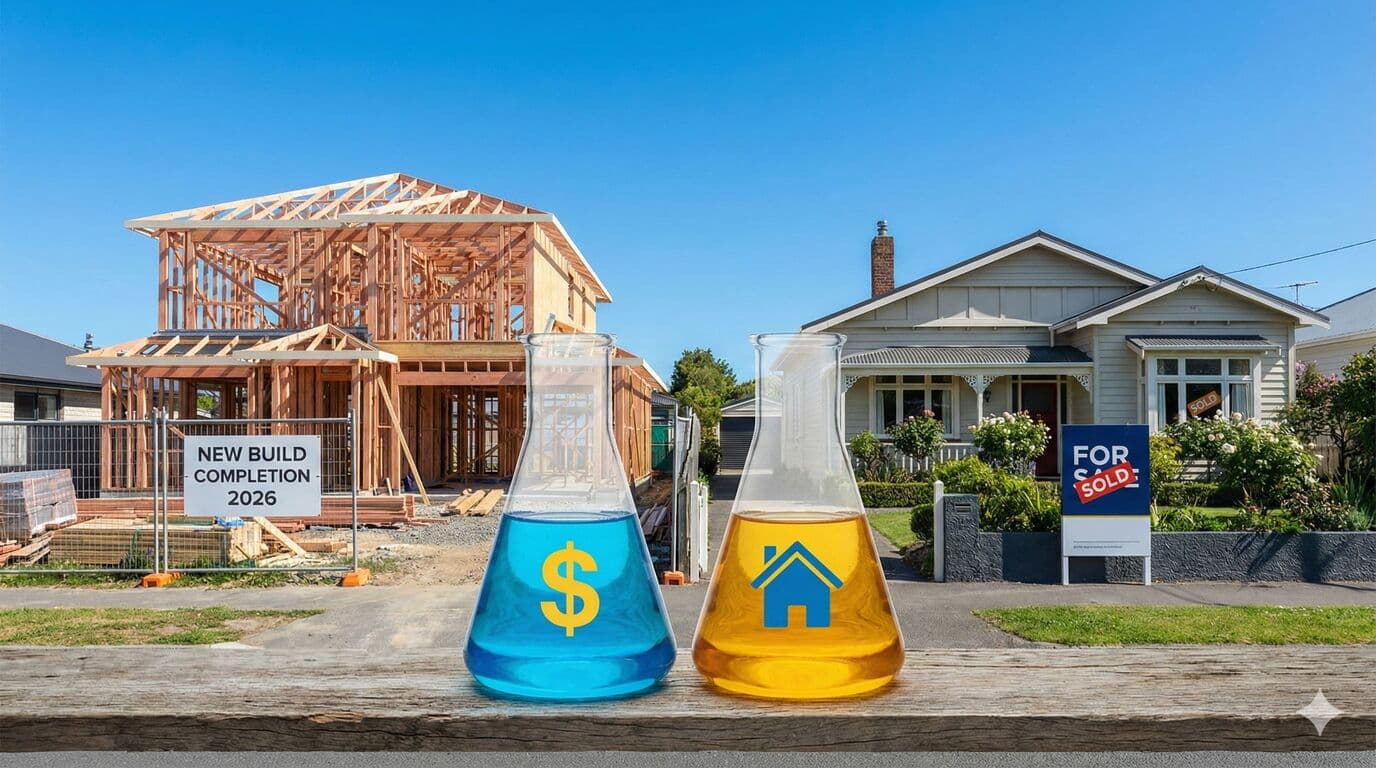
For many Kiwis, one of the first big questions in the home-buying journey is whether to purchase a brand-new home or an existing one. It might come down to practicalities-like budget, location, or timing-or more personal factors, like the character of an old villa or the fresh start of a never-lived-in home.
First Home Buyers: Comparing New Builds and Existing Properties
The Case for Buying a New Build
New builds can offer useful financial flexibility for first-time buyers. Qualifying new-build or construction lending may create LVR and DTI flexibility because construction loans and some newly built homes can be exempt from standard restrictions. That can open more options for buyers with smaller deposits, including first-home buyers using eligible support schemes. Lower deposits and higher borrowing are not automatic: lender policy, servicing, valuation, buyer eligibility, property eligibility, and loan structure still apply.
New builds typically mean minimal repair or maintenance costs for the foreseeable future-ideal if your DIY skills are limited or your budget is tight. Look for builders offering 10-year guarantees for additional peace of mind.
There's also the chance to build equity immediately. A section bought for $300,000 and a build costing another $300,000 might be valued at $620,000 or more once complete.
Why Buy an Existing Home?
If location is your top priority, an existing property might be your only realistic option. The most desirable areas are often fully developed, with little room left for new builds.
You also gain the ability to negotiate. Vendors may be motivated to sell quickly or their property might need work, which can create opportunities for a lower purchase price.
Buying an existing home generally means a simpler, faster process than building.
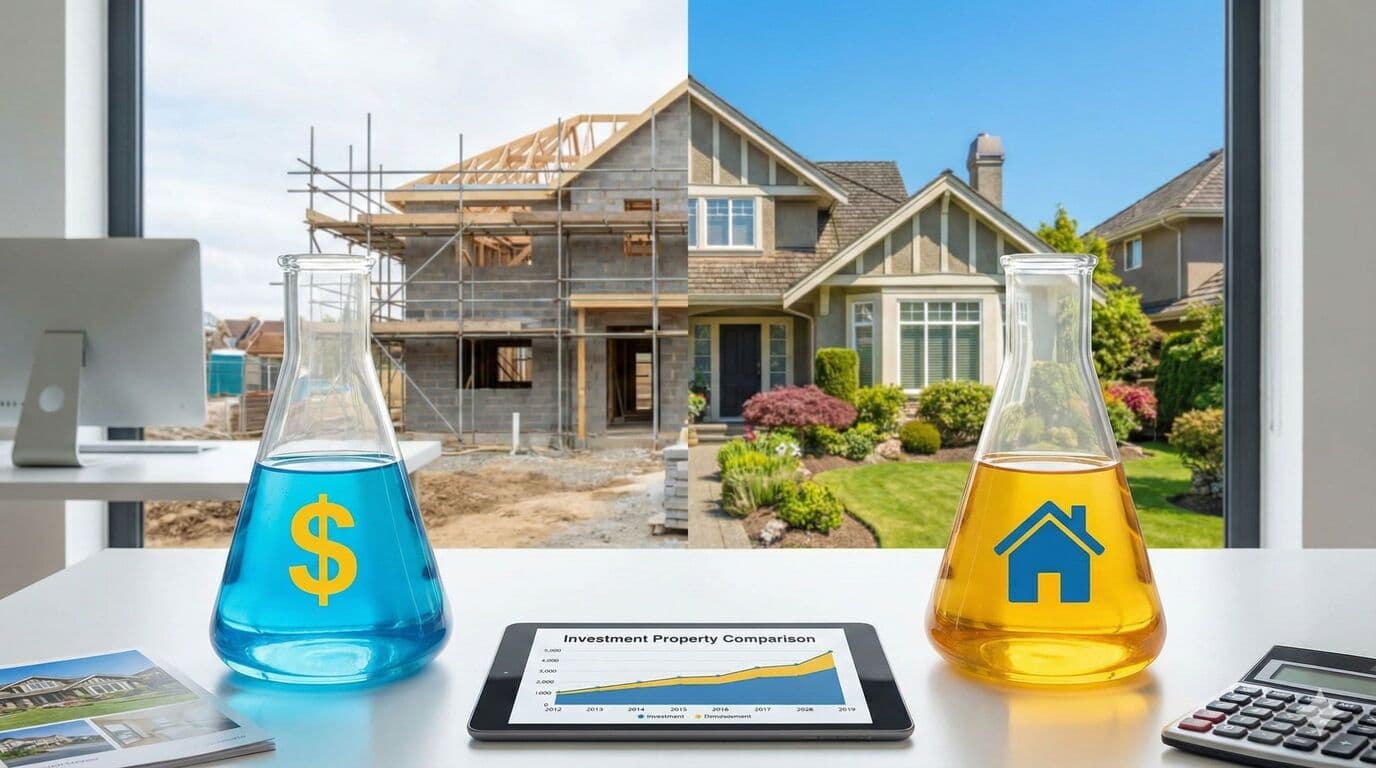
Property Investors: Which Option is Smarter?
Why New Builds Appeal to Investors
New builds remain attractive to investors for several reasons. Qualifying new-build or construction lending may create LVR and DTI flexibility, but it is better to frame this as possible flexibility rather than a fixed deposit rule. Lender policy, servicing, valuation, buyer eligibility, property eligibility, and loan structure still determine what is available. New builds also arrive Healthy Homes compliant by default, saving you from costly upgrades.
Note: From 1 April 2025, interest on funds borrowed for residential rental property is generally 100% deductible again, so new builds and existing properties now have much more similar interest deductibility treatment.
Where Existing Properties Win
Existing properties offer strong upside-particularly if you're willing to roll up your sleeves. Buying a do-up at a discount and renovating strategically can generate immediate equity.
Upgrades like converting a garage to a sleepout, adding off-street parking, fencing a yard for families, or improving insulation can all enhance the property's appeal and rental yield.
The Financial Mechanics of Building
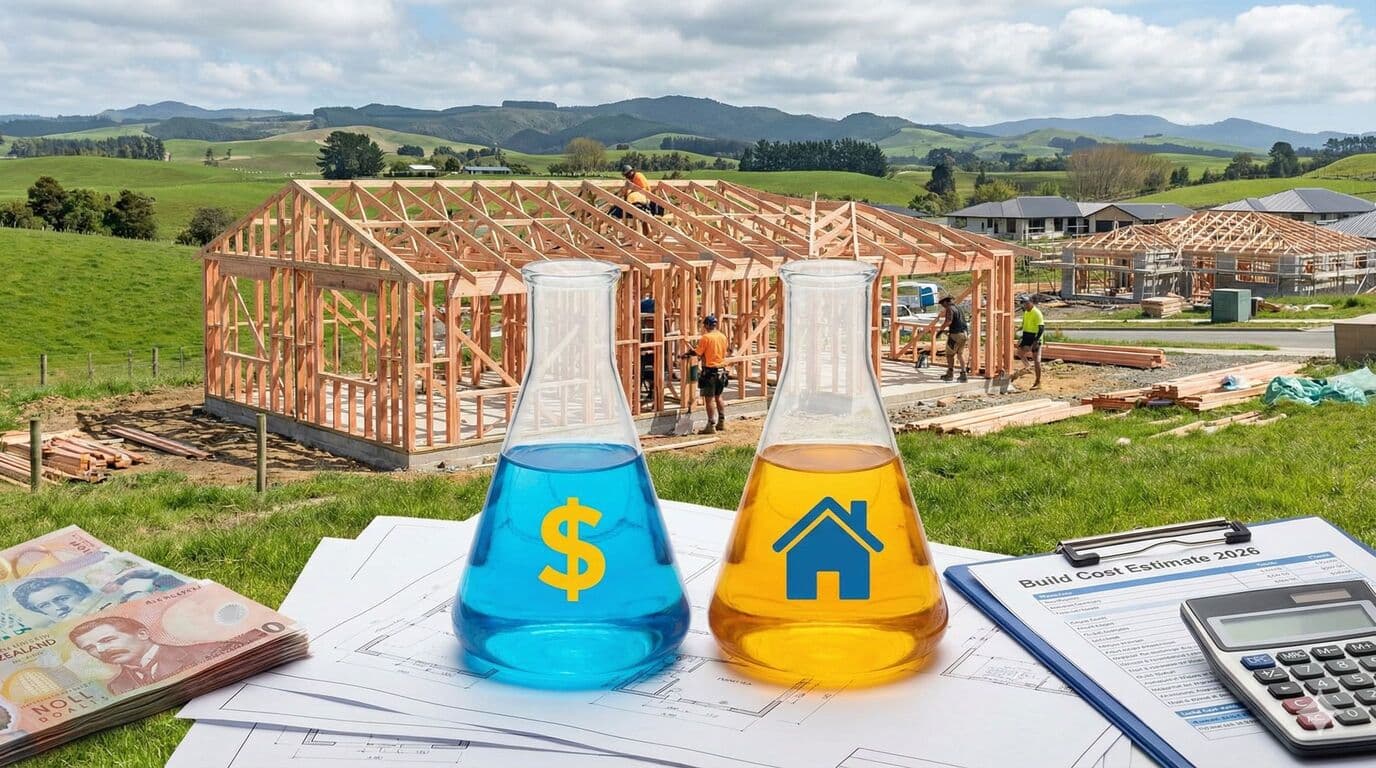
Building a new home introduces two main financial structures: turn-key contracts and progress payment contracts. Turn-key contracts require only a small deposit up front, with the remainder paid upon completion. Progress payment contracts require staged payments as the build progresses.
What's Right for You?
As with most property decisions, the answer comes down to your personal circumstances, finances, and risk appetite.
Need Help With Your Mortgage?
Our expert advisers are here to guide you through every step of your mortgage journey. Get in touch for a free, no-obligation consultation.
Talk to an Adviser